How to Build a Family Tree: A Clear Guide to Parents, Grandparents, and Relatives
Building a family tree works best when you begin with people who can still tell you their stories. Parents and grandparents are not just the first branches on the chart; they are your best source of names, dates, photographs, and family context. Starting with the living generations gives you a stronger foundation for every ancestor you add later. The goal is not to collect the largest tree in the shortest time. It is to create a reliable record of how your relatives connect, one generation at a time.
Start with the Living Generations, Not the Distant Past
Many beginners rush toward old records and distant ancestors. A better first step is to map the family you already know. Begin with yourself, then add your parents, siblings, grandparents, and the aunts, uncles, and cousins who surround them. This three-generation view makes the structure of your family tree clear before you introduce older names.
Use a simple chart or spreadsheet to capture each person’s full name, birth date and place, marriage or partnership details, and parents’ names. Keep nicknames and alternate spellings in a separate notes field so you do not confuse them with legal names. If a fact is uncertain, mark it as “needs verification” rather than filling the gap with a guess.
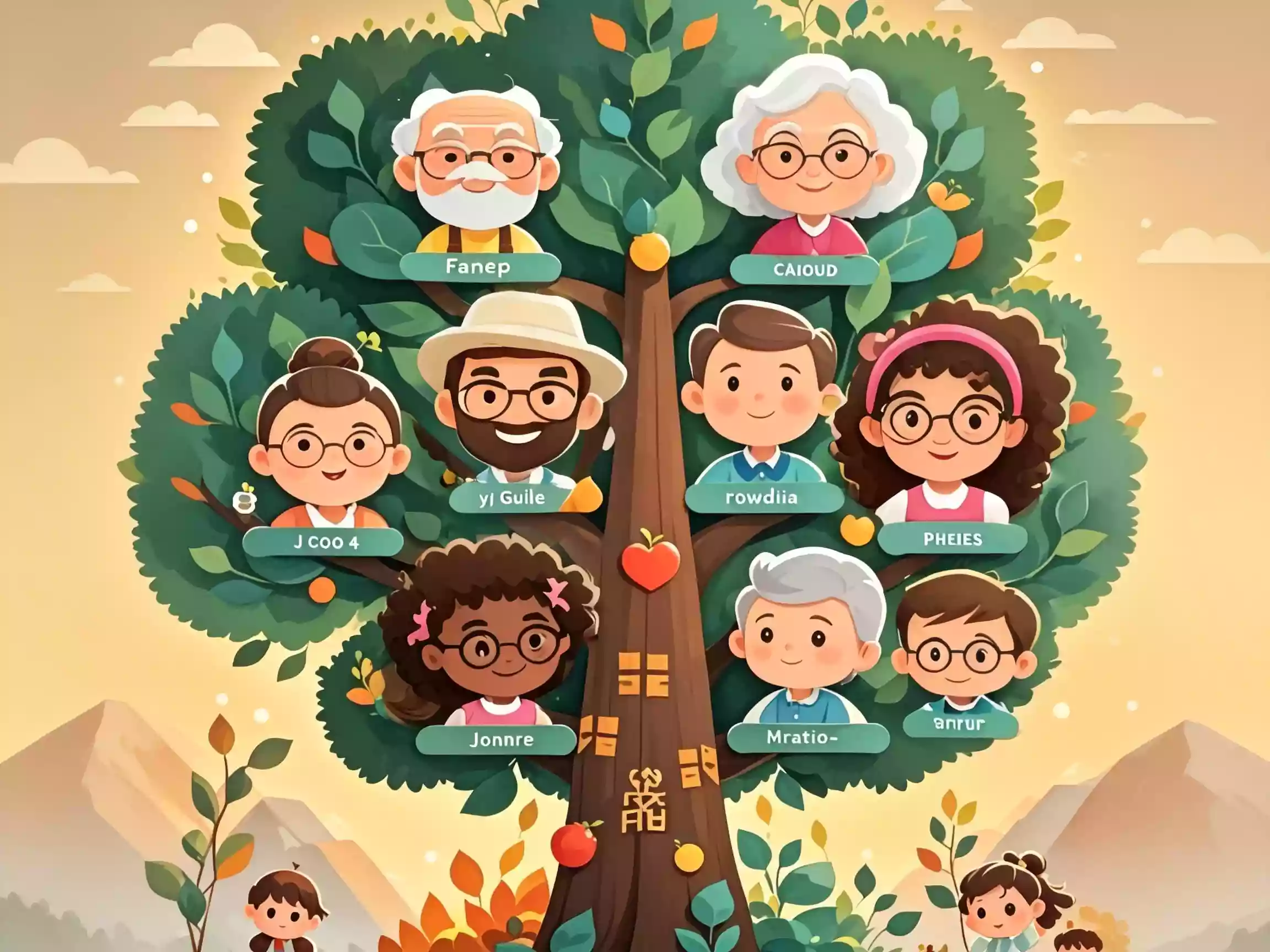
Create One Reliable Record for Each Person
As your tree grows, consistency matters more than speed. Give every person one main record and use the same date format throughout. Record women under their birth names, then add married names as alternates. Note places at the level of town, county, and country rather than “somewhere in the north.” These small choices make it easier to match relatives later and avoid accidental duplicates.
What to collect for parents and grandparents
- Full birth name, plus married, maiden, or alternate names
- Birth date and place, with a note if the date is estimated
- Marriage or partnership date and place
- Names of their parents, which connect one generation to the next
- Occupation, military service, migration, or immigration details
- Photographs, letters, certificates, and family stories that add context
Separate facts from family lore. A story about an ancestor’s journey can be valuable, but label it as a story until a document confirms it. This habit protects your family tree from turning into a collection of guesses.
Interview Parents and Grandparents with Better Questions
Conversations with older relatives are one of the most useful research tools available. Instead of asking, “Do you have any family history?” ask specific, open-ended questions that invite detail. Let the conversation wander a little; the side stories often reveal the names of relatives you did not know existed.
Questions that unlock family connections
- Who were your grandparents, and what do you remember about them?
- Did you have siblings or cousins who lived nearby? What were their names?
- Where did the family live before you were born, and why did they move?
- What family names, nicknames, or traditions have been passed down?
- Are there photographs, letters, certificates, or objects that belong with these stories?
Ask for permission before recording, and take notes even if you use a recorder. After the interview, review the names and dates with your relative. A quick follow-up can correct small errors before they spread through your tree.
Map Relationships Carefully So the Tree Makes Sense
Real families include remarriages, step-relations, adoptions, half-siblings, guardians, and close family friends who are called aunt or uncle. A simple line chart may not show every nuance, and that is fine. What matters is that you decide how to represent these relationships and explain your choices in the notes.
Use labels such as “adoptive,” “step,” or “guardian” only where they are helpful and respectful. Avoid forcing every connection into a biological branch if it does not fit. When you need a shared place to keep parents, grandparents, and other relatives organized, the family relationship organizer at familylove.love/family can help you keep connections clear as your notes grow.
Verify Names, Dates, and Places Before You Go Further
Family records often disagree. A birth certificate may list one spelling, a marriage record another, and a family story a third. Treat every new detail as a clue, not an instant fact. Compare dates and places across documents, and add a source note for each conclusion.
Useful sources include birth, marriage, and death certificates; census records; obituaries; cemetery records; military records; immigration lists; family bibles; and photographs with names written on the back. Search maiden names as well as married names, and pay attention to neighbors and witnesses; they are often relatives. If two people share the same name, keep them separate until a document clearly connects them. This is how you build a family tree that remains useful for years, not just an attractive chart.
Organize Photos, Documents, and Stories in the Same Place
A family tree becomes far more meaningful when it includes the evidence and stories behind the names. Store digital copies of photographs, certificates, and interview notes in a folder structure that mirrors your tree. Use a simple file-name pattern such as Lastname_Firstname_birthyear so relatives can find items quickly.
A simple filing method
- Keep one folder per family line or generation
- Name scans by person, record type, and year
- Add a short caption to every photo, including names and relationships
- Back up your files in two places and share read-only copies with relatives
Write short summaries of what you learn. A paragraph explaining how a grandparent moved between towns or why a surname changed can be more valuable to future relatives than another name without context.
Share the Tree and Keep It Updated
Invite parents, grandparents, and cousins to review what you have collected. They may spot a misspelled name, a missing sibling, or a date that never seemed right. Keep living people’s private details out of public view unless you have consent, and be thoughtful about sensitive family information.
Set a yearly reminder to update births, marriages, deaths, and newly discovered relatives. Keep a research log of what you checked and what remains uncertain. A family tree is a living project, not a one-time document, and the most accurate versions are the ones that relatives can review and improve together.