Family History, One Story at a Time: A Story-First Guide to Preserving the Past
Family history is often described as a pursuit of names, dates, and branches on a family tree. Those details matter, but they are not the reason most of us start. We begin because we want to understand the people behind the facts: how our ancestors lived, what they feared, what made them laugh, and which family stories shaped the next generation. The challenge is that starting can feel enormous. A blank family tree, a box of unlabeled photographs, and relatives who may not be ready to talk can make the whole project feel out of reach.
A story-first approach changes that. Instead of trying to document everything at once, you begin with one memory, one person, or one object that already holds meaning. From there, you add detail, context, and evidence. This method is practical, emotionally rewarding, and easier to sustain. It also creates a family history that future readers will actually want to explore.
Why Start with Stories Instead of a Blank Family Tree
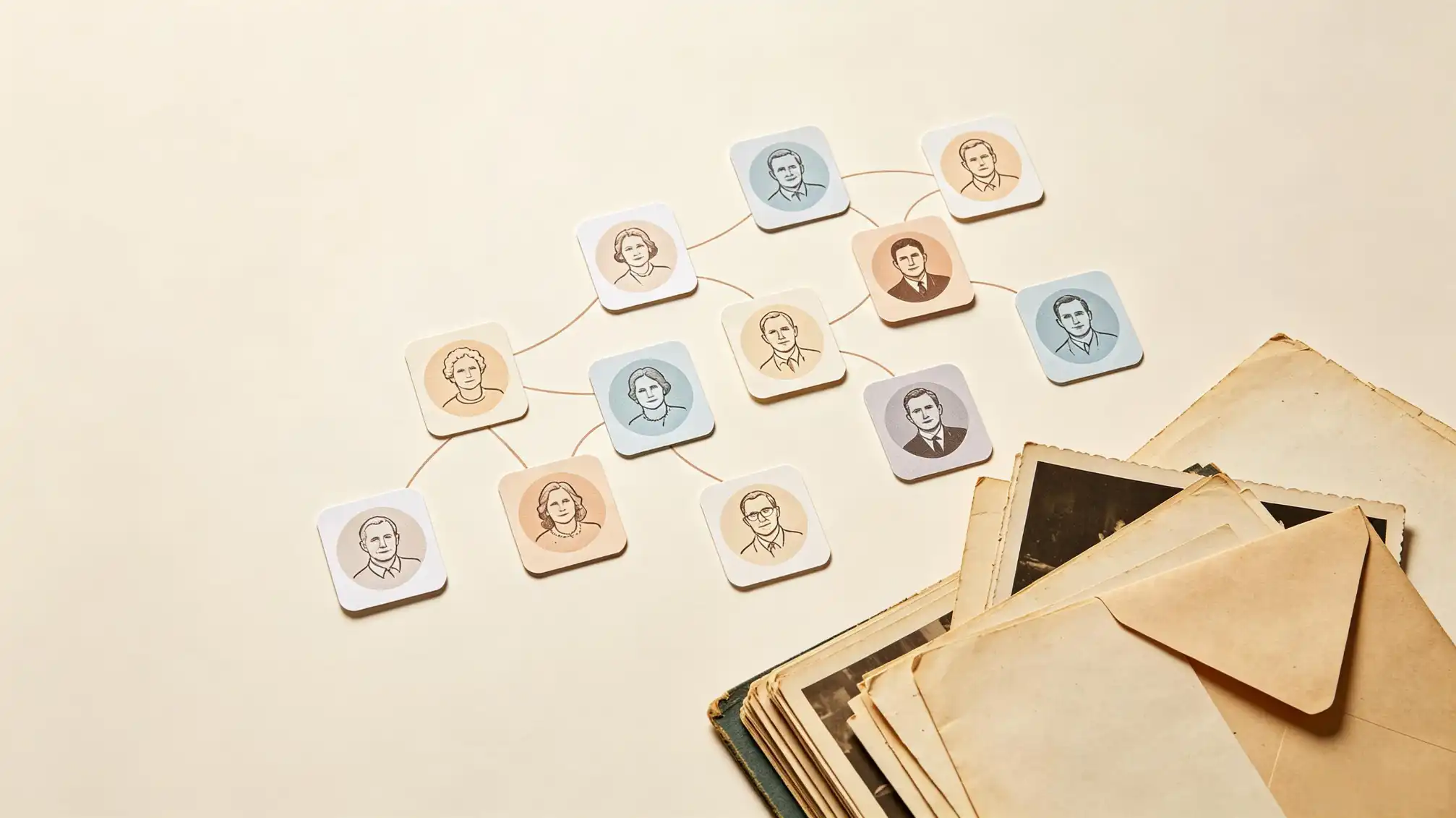
A family tree is a map; family stories are the landscape. If you start with the map, you may spend hours entering names without understanding why they matter. If you start with a story, you give yourself a reason to research. A grandmother's recipe, a military photograph, a migration story, or a saying repeated at family gatherings can all become a doorway into the past.
Stories also make research more resilient. When you discover that a date is wrong or a surname was spelled differently, the story still connects you to the person. You can correct the details without losing the emotional thread. And because stories can be recorded in short sessions, they fit into real life. You do not need a free weekend or expensive software to begin. You need a notebook, a phone, and a little curiosity.
Begin with the Stories You Already Know
Before you interview anyone or open a genealogy website, make a memory inventory. Set a timer for twenty minutes and write down what you already know. Include people, places, objects, traditions, recipes, songs, sayings, and gaps. The gaps are valuable because they tell you what to ask next.
A useful inventory might include ten relatives you can name, five places connected to your family, three objects you associate with an ancestor, and three family stories you have heard more than once. Do not fact-check at this stage. The goal is to capture what is present before it fades. Mark anything uncertain with a question mark so you can revisit it later.
Use simple prompts that unlock detail
- What did the home you grew up in smell like?
- Who was the first person in our family to come to this country, and what did they bring?
- What did your parents or grandparents do for fun when they were young?
- Which family story gets repeated at every gathering?
- What do you wish you had asked your oldest relative?
Record One Person, One Memory, One Conversation
The most common mistake in family history is waiting for the perfect moment. Instead, schedule one conversation with one relative about one memory. A ten-minute phone call is enough to begin. Ask permission before recording, explain how the recording will be used, and keep the first session gentle. Start with easy questions about childhood, favorite foods, school, or holidays. Save difficult topics for later, and let the narrator lead.
When you record, capture more than facts. Notice pauses, laughter, expressions, and the way a person describes a place. If possible, record audio or video, but always take brief notes as a backup. Label the file immediately with the date, the speaker's name, and the main topic. A clear filename such as 2025-04-12-maria-childhood-kitchen.mp3 will save you hours later.
A gentle interview structure
- Begin with a warm-up: Where were you born, and what was your neighborhood like?
- Move to sensory detail: What did your family eat on special days? What sounds do you remember?
- Ask about people: Who was the person you trusted most as a child?
- Explore change: What is one thing about daily life that has changed the most since you were young?
- Close with reflection: What do you hope our family remembers about you?
Create a Simple System for Family Stories and Ancestors
You do not need a complicated archive. Start with three folders or categories: People, Stories, and Sources. In People, keep a simple profile for each ancestor with names, approximate dates, places, and relationships. In Stories, store written memories, recordings, transcripts, and scanned photographs. In Sources, track where each detail came from: a birth certificate, a family Bible, a cousin's memory, or a cemetery record.
Consistency matters more than perfection. Choose one way to write names and stick to it, but note variations in parentheses. Record dates as clearly as possible and mark estimates. Keep original photographs and documents separate from working copies, and back everything up in two places. If you use cloud storage, organize folders in a way that makes sense to you, not to an imaginary professional archivist.
What to capture for each ancestor
- Full name, nicknames, and spelling variations.
- Birth, marriage, death, and migration details, with approximate dates clearly marked.
- relationships: parents, siblings, spouses, children, and the people they called family.
- Three family stories or memories that reveal personality, values, or daily life.
- Source notes for every fact so future researchers can verify the trail.
If you want a simple, welcoming place to collect and share the stories as they emerge, Family Love Stories can serve as your home base. You can with a single memory and add more over time, rather than waiting until everything is organized.
Let the Family Tree Follow the Story
Once you have a few stories and profiles, a family tree becomes more than a list of. It becomes an index to the people you are getting to know. Begin with your direct line: parents, grandparents, andparents. Add siblings and spouses only when they help explain a story. Mark uncertain relationships clearly, and keep a log of questions you still need to answer.
Talk with relatives about what you find. A family tree is most useful when it invites, not when it closes it. Share a draft with a cousin or aunt and ask is missing, what is wrong, and what should be handled with care. Some family stories involve grief, adoption, estrangement, or migration under difficult circumstances. Treat those stories with respect, and ask living relatives before publishing sensitive details.
Preserve Memories for the Next Generation
Preservation is not only about storage; it is about access. A box of tapes in a closet is not preserved if no one can play them. Convert older formats where, create transcripts for audio recordings and label photographs with names, dates, places and the story behind them. Keep a simple index so future readers can find what matters.
Make sharing a habit Send one story to one each month. Print a small photo book Read a recipe aloud at a family dinner and tell the behind it. These small acts keep family history alive in daily life, not just in a research folder. also encourage others to contribute memories you would never have found on your own.
Family history does not need to be finished to be valuable. recorded, one labeled photograph, and one written memory can change what your family knows about itself. Aim for consistency rather than intensity. Keep a running list of questions. Schedule a monthly interview. Set aside a quarterly review to back up files and update your family tree.
The most meaningful family history is not the most complete one. It is the one that remains usable, honest, and warm. Start with the stories only you can save. The names, dates, and branches will follow.Practical Steps
- Use Family Love Stories as your related link to start or add to your family story collection — capture one memory, one photo, or one conversation today.
- Visit the Family Love documentation and guidance hub for help and guidance on organizing, preserving, and your family history.