Capturing a Life Story: A Beginner's Guide to Preserving Family Memory
Every family holds a story that currently exists in only one place: someone's memory. The smell of a childhood kitchen. The real reason a grandfather left one city for another. The joke nobody remembers the origin of. A life story is what happens when you take those fragments and give them a permanent home.
If you are just beginning to explore a family member's past, the goal is not a polished memoir or a published book. It is a collection of moments, in that person's own words, saved before they slip away. That is a far more achievable project than most beginners assume, and it usually starts with a single afternoon and a phone.
Why Details Disappear Faster Than You Expect
Family history unravels quietly. Within two or three generations, names turn into dates, and dates turn into guesses. A family tree can tell you that an ancestor was born in 1912 and married in 1936, but it cannot tell you what that winter felt like, why a particular trade was chosen, or what someone hoped for their children.
That gap is exactly where a recorded life story does its work. Genealogy gives you structure. A life story gives that structure meaning. One without the other leaves you with a diagram of strangers.
There is also a practical edge to acting sooner rather than later. Memories consolidate and simplify with age, and the person who remembers the details is often the only source. Once that source is gone, the details are not merely hard to find. They are gone.
What a Captured Life Story Gives Your Family
Recording a parent, grandparent, or older relative is not nostalgia for its own sake. It produces something with lasting value on several fronts.
- Context for your family tree. Names and dates become people with motives, habits, and reasons. You stop asking who someone was and start understanding why they did what they did.
- A voice, not just text. Accent, rhythm, laughter, and the pauses before a difficult answer carry information that a written summary flattens out. Hearing a grandmother describe her first job in her own cadence is a different experience from reading a transcript of it.
- An emotional inheritance. Children and grandchildren inherit resilience, humour, and coping strategies when they can see how earlier generations handled hardship. That is difficult to pass on as an abstract lesson, but easy to pass on as a recorded story.
- Corrections to family myth. Most families carry at least one legend that has drifted from the truth. A first-hand account is often the only way to separate what happened from what has been repeated for decades.
- Answers for people not yet born. A recording made today can be listened to in fifty years by someone who never met the speaker. Few gifts travel that far.
Voice Is the Part Records Never Capture
Official documents are excellent at confirming facts and terrible at conveying personality. A birth certificate will not tell you that your great-uncle whistled while he worked, or that your grandmother was the one everyone called during a crisis. Those are precisely the details that make ancestors feel like relatives instead of entries in a database.
This is why audio matters more than beginners expect. Even a rough recording made on a phone captures tone, dialect, and emotion that writing rarely preserves. If a relative is uncomfortable being filmed, audio alone is more than enough. If they are uncomfortable with recording entirely, take notes during the conversation and write up your impressions the same evening, while the details are still fresh.
Turning One Conversation Into a Family History
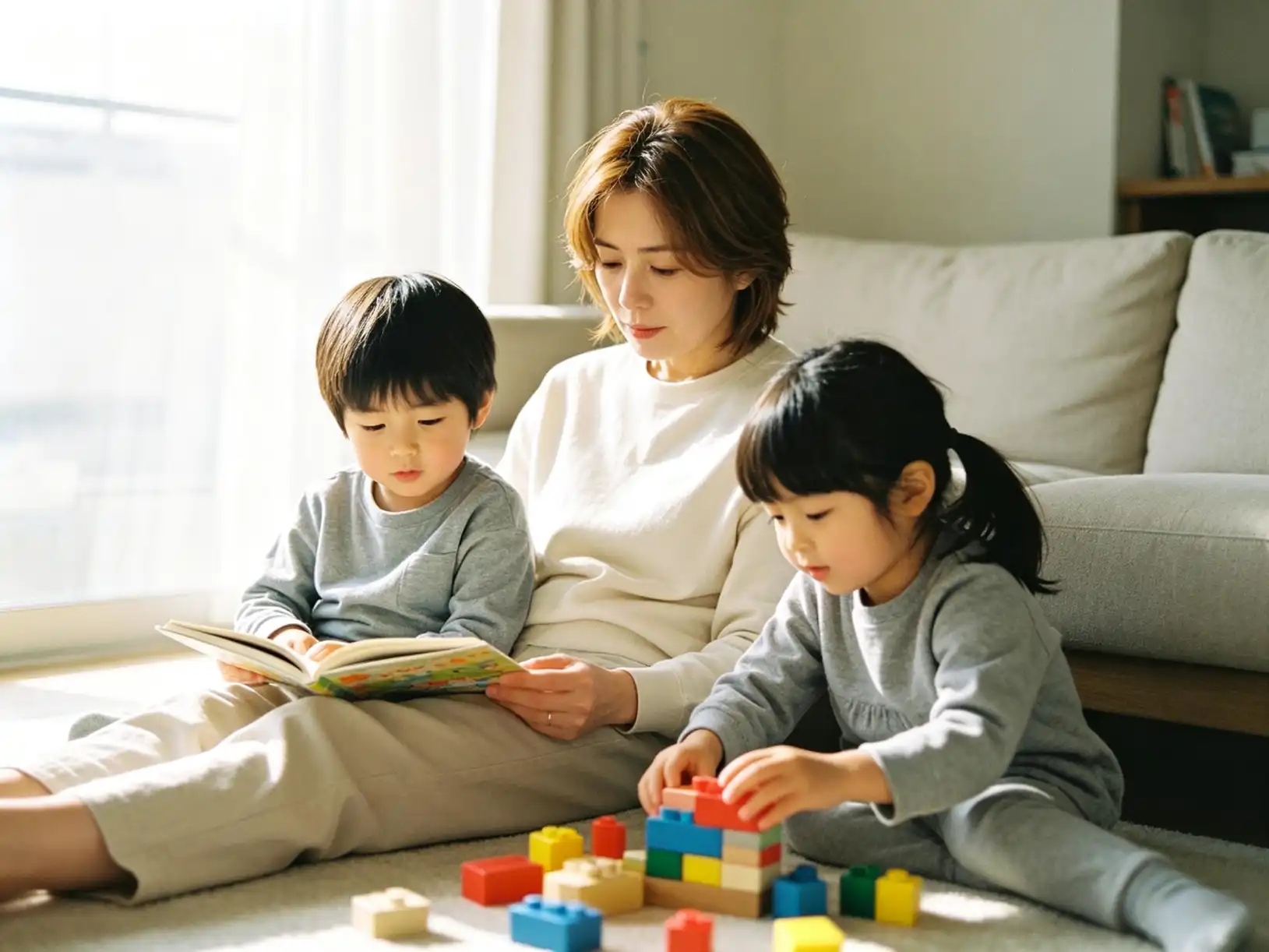
A life story rarely arrives in one sitting. It accumulates. One conversation about childhood leads to a question about a sibling, which leads to a photograph nobody can identify, which leads to a cousin who remembers the answer. Treat each session as a piece rather than a performance, and the pressure drops immediately.
It also helps to keep your relatives connected while the project grows, since memories often surface when family members talk to each other rather than to a recorder. A simple shared space for relatives is a practical starting point, and you can set one up through the family connection page at familylove.love.
Questions That Open Memory Instead of Closing It
The quality of what you collect depends heavily on how you ask. Broad questions such as tell me about your life tend to produce broad answers. Specific, sensory questions do far better.
- What did the street you grew up on sound like in the evening?
- Who was the first person outside your family you remember trusting?
- What was the hardest decision you made before you turned thirty?
- What did your parents argue about, and what did they agree on?
- Which relative did you feel most understood by, and why?
- What did you believe about your future at eighteen that turned out to be wrong?
- What is something you owned that you wish you still had?
Follow the emotion, not the script. When a relative's tone changes or they pause, stay there and ask one more gentle question instead of moving to the next item on your list. Those unplanned moments are usually the most valuable material you will capture.
Simple Ways to Capture What You Hear
Record with the phone you already own
Place it on the table between you, start recording, and forget about it. A quiet room matters more than an expensive microphone. Test the levels for thirty seconds before the real conversation begins, and always ask permission first.
Write as a backup, not a replacement
Notes taken during the conversation help you follow up later, but avoid writing so much that you stop listening. Jot down names, places, and dates that you want to verify, then expand your notes within a day.
Organise as you go
Label each file with the speaker's name and the date of the conversation. Add anyone mentioned to your family tree while it is still fresh, and link the recording to that person's entry. Over a year, this small habit turns scattered clips into a coherent family history that other relatives can actually use.
Mistakes Beginners Make
- Waiting for the perfect setup. A recorded conversation today beats a professional interview that never happens.
- Correcting the speaker. If a memory conflicts with a record, note the difference and move on. Challenging someone mid-story usually ends the story.
- Interviewing only the obvious relative. In-laws, neighbours, and old colleagues often remember details the immediate family has stopped noticing.
- Storing recordings in one place. Keep a second copy somewhere else, and tell at least one other relative where it lives.
- Assuming someone else will do it. In most families, no one else is doing it.