Capturing Lives, Keeping Legacies: The Value of Family History
Every family history begins with a person. In an age of digital noise and fast-paced living, the quiet power of a life story can easily slip away. Preserving a person's life story matters because it transforms names and dates into lived experience. It grounds us in a narrative larger than ourselves. For beginners exploring a family member's life history, the task can feel overwhelming—where do you start, what do you ask, and how do you keep it all organized? The good news is that you do not need to be a professional genealogist or historian. With curiosity, respect, and a few practical tools, you can capture a legacy that will enrich your family tree for generations.
Why Life Stories Are the Heart of Family History
Genealogy gives us the skeleton of a family tree: birth dates, marriage records, census entries, and migration routes. But a skeleton without muscle and skin is not a living body. Life stories provide the context that makes those facts meaningful. When you learn that your great-grandmother worked in a textile mill at fourteen, the date on a census form suddenly carries weight. You understand her resilience, her sacrifices, and the world she navigated.
Stories also shape identity. Children who know their family's narratives tend to have a stronger sense of belonging and self-worth. Research in psychology suggests that sharing family history—including struggles—can build resilience in younger generations. It teaches them that they are part of a continuing story, not isolated individuals. For ancestors, preserving these tales is an act of honor. It says: your life mattered, and we remember.
Finally, life stories reveal patterns and connections that pure data misses. Health tendencies, migration decisions, entrepreneurial streaks, artistic talents, and even recurring names can all emerge when you listen to how a person lived. That is why family history is not just about collecting records; it is about collecting meaning.
Start with One Person, One Story
Beginners often try to research every branch at once and quickly feel lost. Instead, anchor your family history around one person. Choose a relative you can still speak with, or if that is not possible, a person whose documents and photos you have access to. Focusing on a single life story keeps the project manageable and emotionally rich.
The Art of the Interview
Interviews are the heart of oral history, but they require gentle preparation. Begin by explaining why you want to preserve their story. Ask for permission if you plan to record. Use open-ended questions that invite reflection, such as: What was a typical day like when you were a child? Who was the most influential person in your early life? What was the hardest decision you ever made? How did you meet your spouse?
Listen more than you speak. Resist the urge to interrupt with your own memories. Follow up on interesting details: “You mentioned your father’s workshop—what did it smell like? What did he make?” Sensory questions unlock vivid recollections. If the person tires, pause. You can always return for a second session. And do not rely on memory alone; take notes or use a recorder, and label your files with the date and the person's name.
Use Photos and Objects as Prompts
Old photographs, letters, medals, recipe cards, and even tools can spark stories that direct questions miss. Ask your relative to identify people in a photo and describe what was happening. The image may trigger a forgotten anecdote about a family gathering, a move, or a courtship. These prompts are especially helpful for relatives who feel they have “nothing to say.”
Milestones and Everyday Moments as Story Anchors
Life stories are not only about grand events. The everyday rhythms—what people ate, how they celebrated holidays, what chores they dreaded—paint a vivid picture. Still, milestones provide natural starting points. Weddings, births, graduations, new jobs, and relocations are the chapters that structure a life narrative.
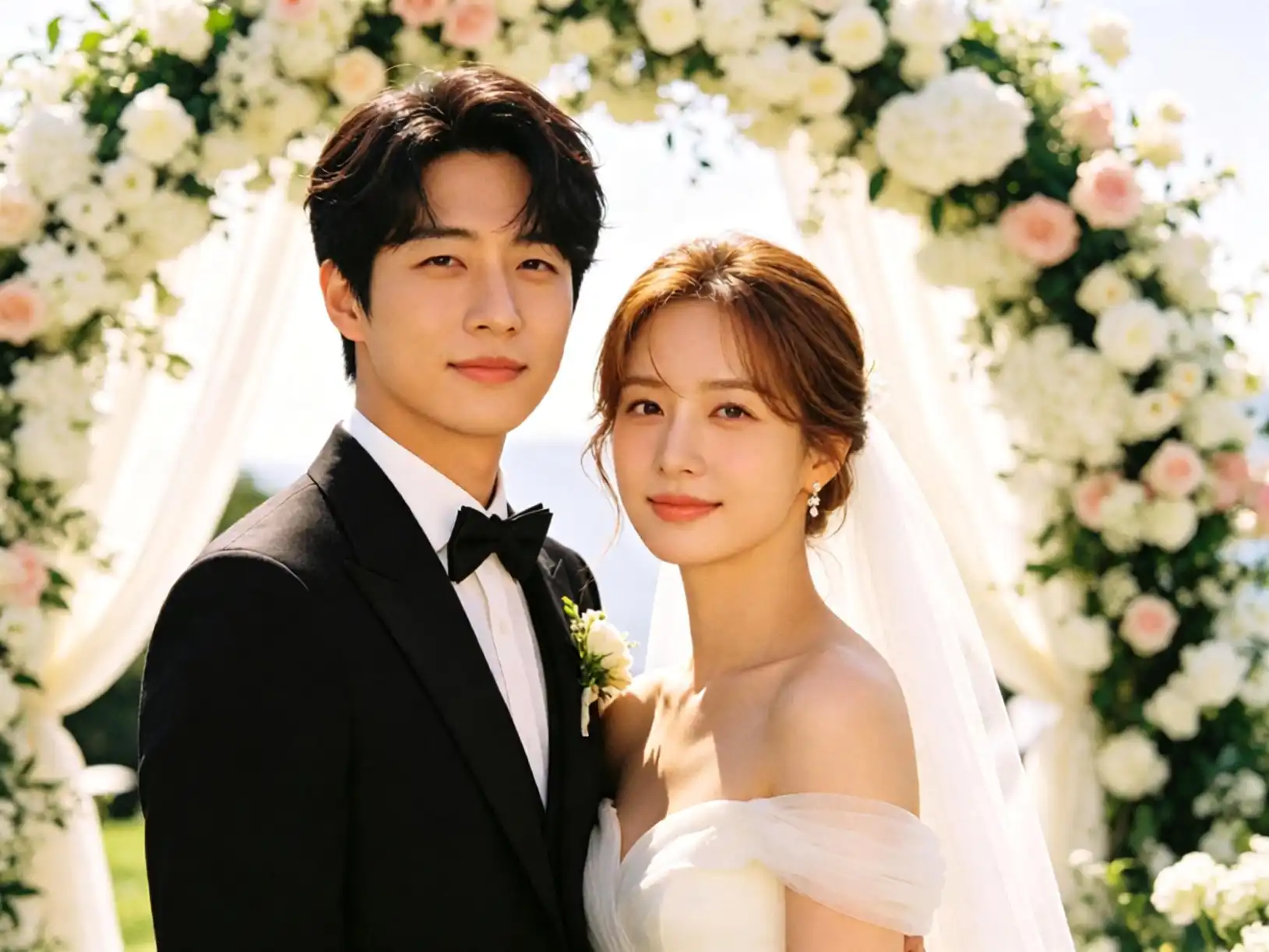
When you ask about a wedding, you may learn about the couple's first meeting, the family tensions, the music, the food, and the hopes they carried into their marriage. Those details become a bridge between generations. They also connect to your family tree: the wedding record confirms a marriage date, while the story explains what that marriage meant to the people involved.
Do not overlook mundane routines. How did your grandmother get to school? What did she save up to buy? What was her favorite radio program? These small facts make ancestors feel like real people rather than names on a chart.
Organizing Your Findings for Genealogy and Family Tree Building
As you collect stories, you will also gather dates, names, and places. To avoid chaos, create a simple system. Use a dedicated notebook or a digital tool to record each interview, photo, and document. For every fact, note the source—who told you, when, and where the information came from. This practice is the foundation of solid genealogy.
Build a timeline for your chosen person. List birth, education, marriage, children, career moves, and other milestones in order. A timeline reveals gaps and patterns, guiding your next questions. Then connect that timeline to your broader family tree. You can start with a free online tree platform or paper charts. The goal is not perfection but consistency. For structured guidance and community support, you can explore the family resources at FamilyLove.love/family. That page offers a natural next step for beginners who want to organize their research and connect with others.
Common Pitfalls for Beginners
- Waiting too long. Memories fade, and older relatives may become unable to share. Start now, even with small conversations.
- Focusing only on dates. A family tree without stories is a skeleton. Balance facts with narratives.
- Not verifying information. Family stories can be exaggerated or misremembered. Cross-check with documents when possible, but preserve the oral version too.
- Ignoring context. A life story makes more sense when you understand the historical events, economic conditions, and cultural norms of the time.
Another pitfall is trying to do everything alone. Family history is often a collaborative effort. Invite siblings, cousins, and other relatives to contribute memories, photos, or translations. You may be surprised by how much others want to help once you begin.
Ethical and Emotional Considerations
Preserving a life story involves trust. Some memories are painful—wars, losses, family conflicts, or personal regrets. Approach sensitive topics with empathy. Let the storyteller lead. If they hesitate, offer to turn off the recorder or move to another subject. Never pressure someone to share more than they are comfortable with.
Also consider privacy. Living relatives may not want certain details published or shared widely. Ask before posting stories online or distributing recordings. You can create a private family archive and decide together what to make public. Respecting boundaries ensures that your family history project strengthens relationships rather than strains them.
Passing It Forward to Future Ancestors
The stories you gather today will become the cherished heritage of tomorrow's descendants. Think of yourself as a bridge. Store your interviews in multiple formats—audio files, written transcripts, and summaries. Back them up on cloud storage and external drives. Label everything with names, dates, and locations. Include photographs and scanned documents alongside the narratives.
Consider creating a simple booklet or digital album for family members. You might also record short video clips of relatives telling their favorite stories. These personal touches make ancestors feel present and real. As you build your family tree, attach stories to each person. A future grandchild who clicks on your great-grandfather's name could then hear his voice or read about his journey. That is the power of family history: it keeps love and memory alive across time.