Family History Starts With a Conversation: Keeping a Loved One's Story Before It Fades
Every family history project runs on the same quiet assumption: that there will be time. There will be another visit, another holiday dinner, another chance to ask about the house your grandmother grew up in, or the job your father left without ever explaining why. Then a decade passes, and the person who could answer those questions is no longer available — and the details are gone in a way that no record can repair. Capturing a relative's life story while they can still tell it is one of the most valuable things a beginner can do, and it is far less complicated than most people expect.
Memory Is the Most Fragile Record You Own
Memory is not an archive. It is a living reconstruction, rebuilt slightly differently each time it is recalled. That is why the earliest losses in any life story are usually the concrete details: street names, the smell of a kitchen, the exact words a mother used when she was worried. Broad facts survive longer than texture, and meaning survives longer than both.
This is where family history and pure genealogy part ways. A genealogy record tells you that an ancestor was born on a certain date, married in a certain town, and worked a certain trade. It cannot tell you that he was the sibling everyone relied on, that he sang badly on purpose, or that the family never spoke of him after he moved away. Birth, marriage and death certificates give you a skeleton. A recorded life story puts flesh on it, and it is the part that descendants actually remember.
The practical consequence is simple: memory is a perishable source, and it decays faster than paper. If you wait for the perfect moment, you will often be left with nothing but the dates.
What Beginners Usually Overlook
When people decide to explore a family member's past, they tend to reach for tools before they reach for questions. A few patterns come up again and again:
- Waiting for a formal interview. A relative who freezes in front of a camera will talk freely while peeling potatoes. The setting matters more than the equipment.
- Asking for a chronological résumé. Most people do not remember their lives as a timeline. They remember episodes, turning points, and things that were funny or painful.
- Not writing anything down. A story you heard once and did not record is a story you will paraphrase inaccurately within two years.
- Assuming one version is the full version. Siblings often describe the same childhood completely differently. That contradiction is information, not an error.
None of these mistakes are fatal. They just mean that the work of preserving a life story begins with listening rather than collecting.
Begin Where the Story Begins
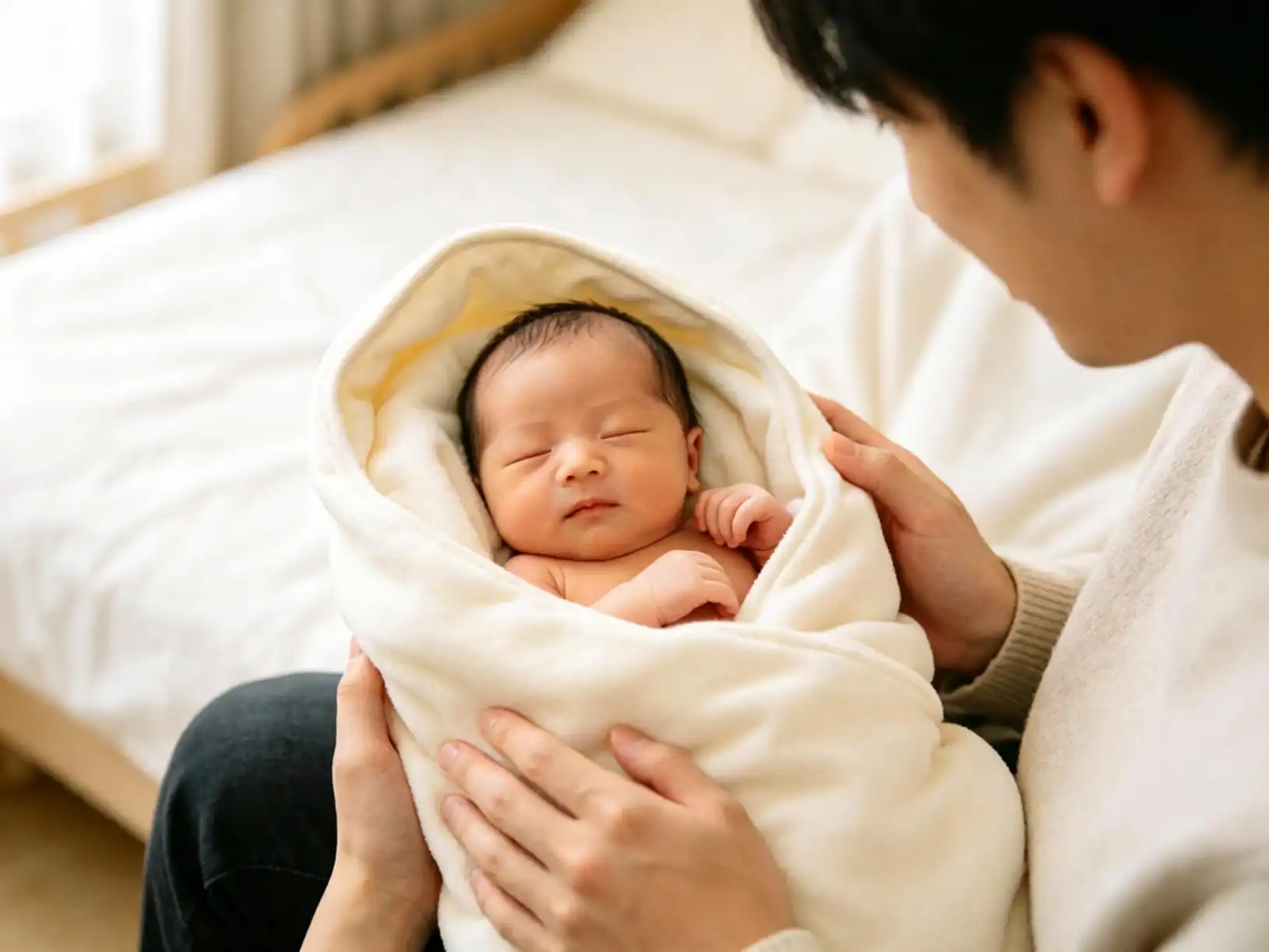
Starting at the beginning is not just sentimental; it is methodologically useful. Ask about birth and earliest childhood and you naturally collect the context that later events depend on: who else was house, what the family did for a living, which language was spoken at the table, what the neighbourhood looked like before it changed. These are the details that make a family tree feel like a family rather than a chart.
If your relative was adopted, displaced by war, or raised by someone other than a biological parent, that beginning may be complicated or painful. Do not force a neat origin story. Ask what they are willing to share, and record what they choose to give.
Questions That Open a Life Story
Good questions are specific enough to trigger a memory and open enough to let the person wander. Try these as starting points rather than a script.
Early years and family surroundings
- What did your home look like, and which room did everyone gather in?
- Who were the adults you were closest to, and what were they like when they were not being parents?
- What was the hardest thing about being a child in that household?
Work, love and turning points
- How did you end up in your first job, and what did you think of it?
- What decision changed the direction of your life, and how did you know at the time?
- Who did you lose early, and how did the family handle it?
Beliefs, habits and everyday details
- What did a normal Sunday look like in your twenties?
- What did you believe about money, work and marriage that you no longer believe?
- What do you want the people who never met you to know?
That last question is often the one that unlocks the most. People who feel they are being catalogued will give you facts; people who feel they are being remembered will give you their story.
From Scattered Notes to a Family Tree and a Narrative
Once you have recordings, voice notes or a notebook full of scribbles, the next step is structure. Two layers work well in parallel. The first is the family tree: names, dates, places, relationships — the genealogy backbone that keeps every ancestor in the right position. The second is the narrative: short written pieces, one per person or per era, built from the quotes you captured.
Keep them in the same place so they can feed each other. When you transcribe a recording, mark the passages you might quote later. When you add a date to the family tree, attach the story that explains why it mattered. Over time, this turns a folder of fragments into something a cousin or grandchild can actually read.
It also helps to work somewhere that others can contribute. If you want a shared space where relatives can add photos, corrections and their own memories, the family space at familylove.love/family is a practical place to start — one household archive rather than six competing versions in different inboxes.
What the Effort Gives Back
The returns on this work are rarely what people expect. It is not primarily about having a complete family tree. It is about continuity: children who know where they come from tend to have a sturdier sense of who they are. It is about health and circumstance, too — patterns of illness, migration, early loss and financial struggle that repeat across generations and are easier to face once they are visible.
And it is about the person you interviewed. Being asked to recount a life, in detail, by someone genuinely interested, is a form of recognition that few people receive. Many families report that the interviews themselves became the most valuable part of the project — more than any document they later found.
A Few Ground Rules for Sensitive Material
Preserving a life story carries responsibility. Ask permission before recording, and again before publishing anything beyond the family. Let people review what you write about them while they still can. Mark uncertainty honestly rather than smoothing it into a cleaner story: "she believed" or "the family said" is more useful to future researchers than a confident claim you cannot support. Be especially careful with topics involving violence, addiction, adoption or estrangement. The goal is accuracy with dignity, not exposure.
Start with one conversation. One recording. One page of notes. Family history is built at that scale, and it is far more forgiving of an imperfect beginning than of a postponed one.