{
" "Family History: How to Capture a Loved One's Life Story Before It Fades",
"metaTitle": "Family History: Preserve a Loved One's Life Story",
"metaDescription": "Learn how to explore your family history by recording a relative's life story. Practical interview questions, memory triggers, and tips for beginners starting today.",
"summary": "Family history is usually pictured as a chart of names and dates, but the most valuable part of it lives in the memories of the people still with us. This guide shows beginners how to capture a relative's life story through better questions, everyday memory triggers, and simple ways of organising what they gather.",
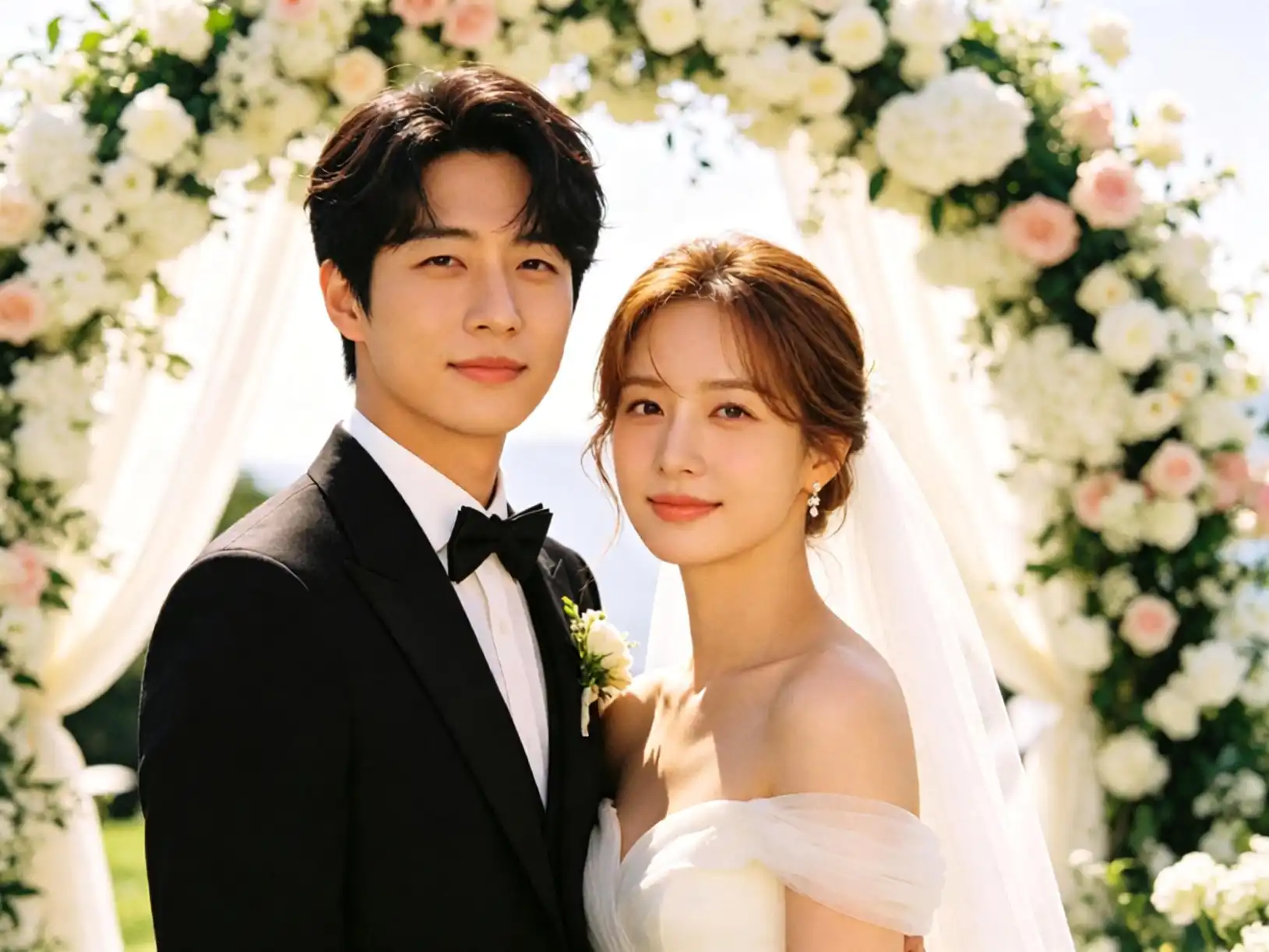
"contentHtml": "<h1>Family History: How to Capture a Loved One's Life Story Before It Fades</h1>\n\n<p>Ask most beginners what family history means and they will describe a chart: names, birth dates, marriage lines, and branches stretching back through the generations. That chart matters, and it is a fine place to start. But it is only the skeleton of the story. The muscle, the voice, and the details that make your ancestors feel like real people are held somewhere else entirely — in the memory of a living relative who still remembers the smell of a childhood kitchen, the sound of a grandmother's laugh, or the reason a family left one town for another.</p>\n\n<p>That is the part of family history most people lose. Not because they did not care, but because they assumed there would be time. Recording a life story is not a sentimental extra you get to eventually. It is the single most time-sensitive piece of research you will ever do.</p>\n\n<h2>Why a Life Story Outlasts Almost Everything Else You Collect</h2>\n\n<p>Documents can be reordered, re-found, and re-downloaded. A census record from 1910 will still exist in twenty years. The voice of the person who can tell you why your great-grandfather changed his surname will not. Memory is not a filing cabinet that stays neatly sorted. It is a living thing that reorders itself with every retelling, blending what happened with what was said about it afterwards.</p>\n\n<p>This is why oral testimony is so valuable to anyone pursuing genealogy seriously. A birth certificate confirms a date. A recorded conversation tells you what that date felt like to the people living through it — whether the baby was born at home, who cut the cord, what the weather was, and which neighbour arrived first with food. Detail at that level rarely survives in official records, and it disappears permanently when the last person who remembers it is gone.</p>\n\n<h3>Stories Answer Questions Documents Cannot</h3>\n\n<p>Records tell you that an ancestor worked in a mill. They rarely tell you whether he hated it, whether the noise damaged his hearing, or whether he was secretly proud of the skill in his hands. Those are the things that turn a name on a family tree into someone your children can actually picture.</p>\n\n<h2>Start With Questions Only That Person Can Answer</h2>\n\n<p>Beginners often open with broad prompts like \"tell me about your life,\" then sit through an awkward silence. A whole life is too large a thing to summarise on request. Specific, sensory questions work far better, and they tend to unlock the bigger memories on their own.</p>\n\n<p>Useful directions to try:</p>\n\n<ul>\n <li><strong>Earliest impressions:</strong> What is the first thing you remember seeing, hearing, or smelling as a child?</li>\n <li><strong>People:</strong> Who was kindest to you growing up? Who frightened you?</li>\n <li><strong>Place:</strong> Describe the house you lived in before you were ten — the layout, the light, the noises at night.</li>\n <li><strong>Turning points:</ What decision changed the direction of your life, and who influenced it?</li>\n <li><strong>Work and money:</strong> What was your first job, and what did you spend that first wage on?</li>\n <li><strong>Loss and change:</strong> What did the family never talk about, and why do you think that was?</li>\n</ul>\n\n<p>Record the answers if the person is comfortable with it. Audio is usually less intimidating than video and captures tone, pauses, and dialect that a transcript will never fully reproduce. If recording feels intrusive, take notes immediately afterwards while the phrasing is still fresh.</p>\n\n<h2>Use Everyday Anchors to Bring Memories to the Surface</h2>\n\n<p>Memory responds to objects far more readily than to open questions. Pull out photographs, letters, old tools, ration books, recipes written in a familiar hand, or a piece of jewellery with a story behind it. Even a single image can open a door that direct questioning keeps shut.</p\n\n<figure>\n <img src=\"https://r2.familylove.love/static/seo/wedding.webp\" alt=\"A wedding photograph used as a starting point for recording family history stories\">\n <figcaption>A wedding photograph is one of the most productive memory triggers in family history work — it dates a moment, names the guests, and usually leads straight into stories nobody thought to write down.</figcaption>\n</figure>\n\n<p>Weddings are especially useful because they gather people. Ask who is in the photograph, who is missing from it and why, what the day cost, what went wrong, and what happened at the reception. One image often produces an hour of material and introduces names you had never heard before — names that can then be checked against civil records and census returns.</p>\n\n<p>Other reliable anchors include migration documents, military photographs, house deeds, and the family Bible or prayer book where births were handwritten. If your relative keeps a box of papers, ask to sit with them while they go through it. Their commentary as they sort is often more valuable than the papers themselves.</p>\n\n<h2>Turning Scattered Notes Into a Real Family History</h2>\n\n<p>Once you begin collecting, you will quickly accumulate a mixture of recordings, photographs, handwritten notes, and half-remembered names. Without some structure, that material becomes a pile rather than a resource, and piles get lost when houses are cleared.</p>\n\n<p>A simple system works best for beginners. Keep one master list of every person mentioned, with the date and source of each detail. Note clearly what is confirmed by a document and what is only remembered. Family stories are not unreliable — they are simply transmitted, and transmission introduces small changes over generations. Labeling the difference between evidence and recollection is not pedantry; it is what makes your work trustworthy for whoever inherits it.</p>\n\n<h3>Where the Chart and the Story Meet</h3>\n\n<p>The chart and the story strengthen each other. A recorded interview gives you names to search in official records, and records give you dates and places that prompt further questions. When you find a gap in your family tree, you now have someone to ask about it directly rather than guessing from incomplete indexes.</p>\n\n<p>If you are organising what you gather and mapping out how each relative connects, it helps to work from a structured profile rather than loose notes. The family pages at <a href=\"https://www.familylove.love/family\">https://www.familylove.love/family</a> are a practical place to keep relationships, dates, and story fragments together as your research grows.</p>\n\n<h2>Mistakes Beginners Make Most Often</h2>\n\n<ul>\n <li><strong>Waiting for the perfect moment.</strong> Health and memory change faster than most families expect.</li>\n <li><strong>Chasing dates before stories.</strong> You can always find a date later; you cannot always find the memory.</li>\n <li><strong>Interviewing only the eldest.</strong> Siblings remember different versions of the same childhood, and cousins hold branches you cannot reach.</li>\n <li><strong>Failing to label files.</strong> A recording named \"audio001\" is effectively lost within a year.</li>\n <li><strong>Correcting the storyteller.</strong> If a memory conflicts with a record, note both. Contradiction is itself a finding worth recording.</li>\n</ul>\n\n<p>Preserving a life story is not a grand project requiring special equipment or professional training. It is a series of small, ordinary conversations, held deliberately and recorded carefully, before the chance passes. The people who do this well are rarely the ones with the most complete family tree. They are the ones who started talking to their relatives sooner than everyone else.</p>\n\n<h1>Practical Steps</h1>\n\n<ul>\n <li>Begin by setting up a structured profile for each relative you want to document, with places, dates, and relationships in one place — see <a href=\"https://www.familylove.love/family\">https://www.familylove.love/family</a> to organise what you collect.</li>\n <li>For further help and guidance on documenting, storing, and preserving your family's stories, visit <a href=\"https://www.familylove.love/docs\">https://www.familylove.love/docs</a>.</li>\n</ul>",
"images": [
"https://r2.familylove.love/static/seo/wedding.webp"
]
}