One Ordinary Afternoon, A Whole Life Opens Up
You sit across from your mother with a cup of tea, ask what she remembers from the autumn of 1968, and then you simply listen. The details tumble out: the apple orchard her father planted, the dress she made for her first job interview, the reason she stopped talking to her older brother for a year. That is a life story—not a biography, not a legal document, but a living account of how one person made sense of the world.
Recording a life story can feel like a big project. Many beginners imagine they need professional lighting, a microphone, and a plan for a book. Yet the most meaningful recordings happen in kitchens, cars, and porch swings. The goal is not a polished production. The goal is presence: to sit, to ask, to capture the texture of a memory before it fades.
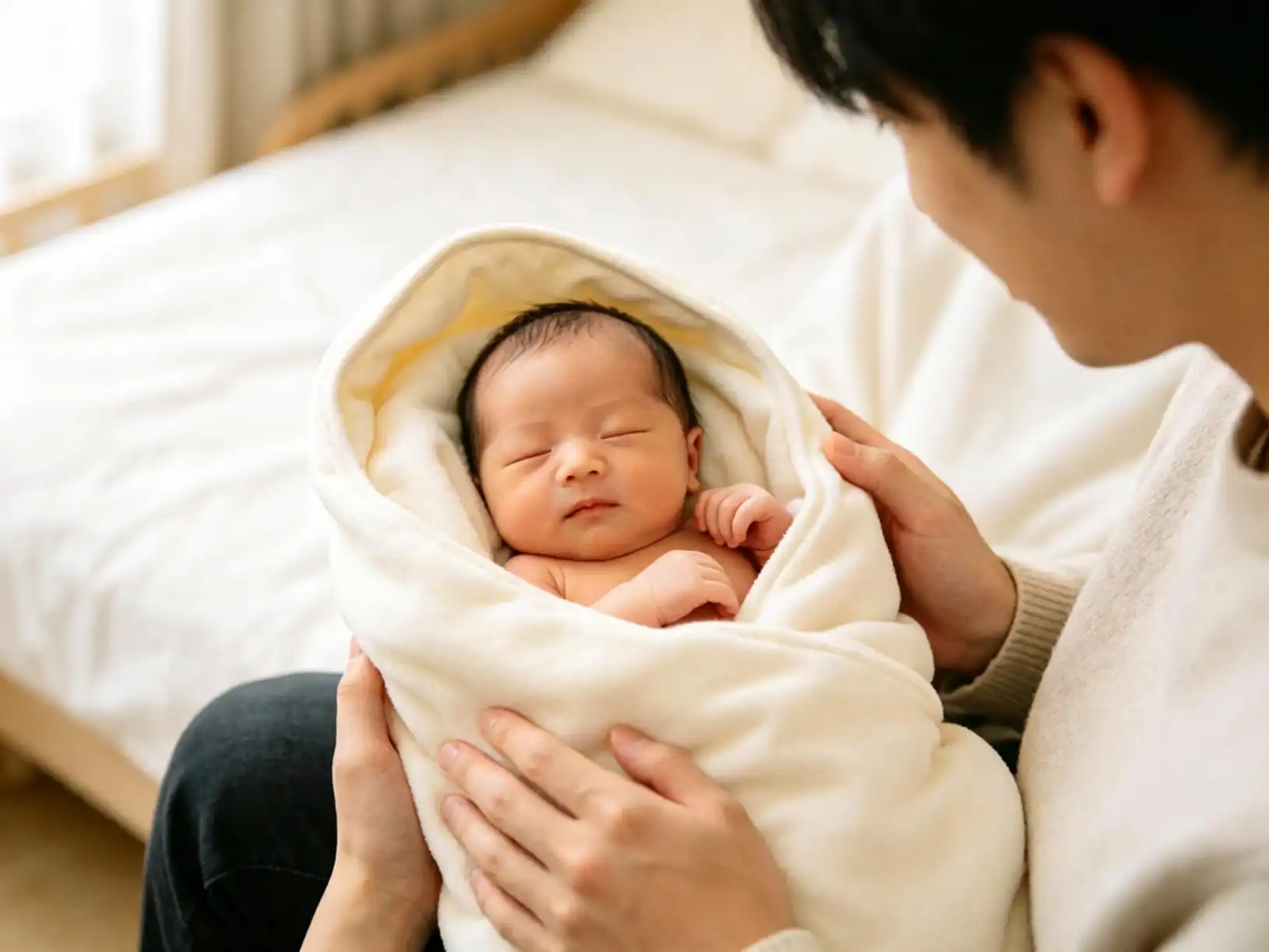
Why Recording a Life Story Matters for Your Family Tree
A family tree is usually drawn with names and dates. Good genealogy gives you birth years, marriage places, and census lines. But those facts are like bones. A recorded life story adds the heart, the humor, and the hesitation. When your granddaughter looks at a tree, she can see 'Ruth Ellen, 1921–2014.' When she hears your interview, she discovers Ruth was afraid of storms, baked bread every Tuesday, and wrote letters to a soldier she never forgot.
That is why family history needs both branches and stories. You can trace an ancestor across oceans and census records, but you will never know what it felt like to walk her mornings unless someone records her voice. If you are already mapping your family tree, the family page at FamilyLove offers a practical starting point for connecting relatives and sharing the stories you collect.
The Small Questions That Unlock the Real Person
You do not need to start with 'tell me your life story.' That is too broad and often paralyzing. Instead, ask small, specific questions. The true texture appears in fragments—a childhood game, a teacher's nickname, the smell of a kitchen at supper.
Some prompts that work well:
- What is your earliest memory of your own parents?
- Who made you feel safe when you were small?
- What was the best and hardest year of your life?
- What do you want your great-grandchildren to know about you?
- What phrase did your mother always say, and what did it really mean?
These questions invite reflection instead of one-word answers. When a person pauses, looks away, or smiles slowly, that is the moment to be quiet and let them continue. The life story you are recording grows in those silences.
How to Choose the Right Moment
Timing is often more important than equipment. A person who is tired, in pain, or interrupted will resist the process. Pick a quiet afternoon when your relative is at rest. Let them know there is no pressure to complete anything. You can record for fifteen minutes or an hour; even a short life story segment can carry enormous meaning.
Before you press record, test your phone and set it down with the microphone close. Place it on a soft surface or table. Keep a glass of water nearby. Then explain why the memory matters to you. That short opening line—'I want my children to know who you were'—can unlock a door that a formal questionnaire never will.
If your relative feels shy, ask about a physical object. A photograph, recipe card, or old tool can trigger a story without effort. The object becomes a bridge between the past and the present. That moment of holding an ancestor's workbox or wedding ring often sparks the best material of the whole interview.
Why Waiting Is the One Mistake to Avoid
Life stories are fragile. They do not wait while you organize your genealogy files or find the perfect microphone. A memory can be lost, not only through death but through illness, relocation, or the quiet way a person stops talking about the past. This is why recording a life story is an act of tenderness that cannot be postponed until the family reunion is over.
That might sound urgent, but it should also feel hopeful. You do not need a perfect system. Start this week, even if the interview is short. Ask your grandfather what he misses most about his childhood neighborhood. Ask your aunt about the first time she realized she was brave. Every answer you capture is a piece of family history that no one else can replace.
If the idea still feels heavy, consider doing a 'practice run' with a willing friend or cousin. Record each other for ten minutes. Listen back and notice what felt natural and what felt awkward. That small rehearsal will make the real interview less intimidating and will show you how quickly ordinary conversation turns into a life story.
What To Do With a Recorded Life Story
Once the recording is made, the real work begins. Do not let the file sit on a memory card. Upload it to a secure drive as soon as you can, and give copies to siblings or cousins who were part of the same story. If you recorded audio, create a simple folder with a clear name: 'Grandpa Jim – September 2026.' Add a text note with the date and place, and list the main topics covered.
If you are comfortable with tools, transcribe the interview or use automatic transcription. A written copy makes the recording searchable for future genealogists and makes it easier to quote small details in a family book. Even without a transcription, a rough index of moments—'childhood,' 'war years,' 'marriage advice'—helps others find the stories they need.
These recordings also challenge the stereotype that family history is only verified dates. When you combine recordings, documents, and photographs, you create a fuller portrait for your descendants. One day, a great-grandchild will listen to your own life story and recognize not a quiz answer but the voice of a real person who loved, struggled, and chose hope.
How a Single Recording Shapes Future Generations
You may not see the result for decades. A young mother listens to a life story while folding laundry and feels suddenly connected to a grandmother she met only twice. A teenager chooses a career because of a throwaway line about a relative who loved building things. These quiet moments are not measurable, but they are real. The recordings you make today become the cultural memory of your family.
This is why a recorded life story is more than a personal keepsake. It is a primary source for your family history and a bridge for your ancestors' values. Future generations can compare their own struggles with yours, borrow your phrases, and understand why the family celebrates certain days or tells certain jokes. In that sense, recording isn't just about preserving the past—it is about giving the future a compass.
Every Ancestor Deserves More Than a Birth Date
Ancestors can feel distant, especially when you only see them as dates on a genealogical chart. But remember that every ancestor was once a newborn, exactly like the baby in the image above. They grew up with fears, friendships, mistakes, and dreams. When you record a life story today, you are giving the same gift to future descendants: a way to meet you as a person, not just a name on a tree.
You might worry that your own life story is not interesting enough. That doubt is common among beginners. The truth is that the small details—the smell of rain outside a schoolhouse, the sound of a grandmother's laughter, the fierce pride of a first paycheck—are exactly what future generations cannot find in public records. By recording them, you quietly become the ancestor they will quote, remember, and pass on.
If you are just starting, you do not need special equipment. A phone with a voice memo app is enough. Find a quiet hour, explain the project, and ask one small question. Let the conversation wander. Then leave the microphone running when they start remembering aloud.