Why Preserving a Person's Life Story Is Important for Your Family History
Beginners often open a family history project expecting to fill a chart with names and dates. They soon realize the real treasure is not in the records but in the stories behind them. Preserving a person's life story is important because it gives context to every ancestor on your family tree. It transforms genealogy from a list of facts into a rich narrative that can be passed down with love and accuracy.
Family History Is More Than a Family Tree
A family tree shows the branches. It reveals who married whom, where families moved, and how many children were born. Yet a tree without stories is like a map without landmarks. The day your grandmother left her hometown, the reason your great-uncle changed his surname, the song your mother sang to comfort you at night—these are the detailsthat make family history feel real. As you dig into the past, remember that every ancestor was a person with hopes, struggles, and quiet everyday victories.
When you ask why preserving a person's life story is important, the answer lies in how it shapes the present. Stories carry values, humor, resilience, and caution. They reveal patterns of love and survival that echo. For beginners, the task is not to become a professional historian. It is to listen, record, and share in a way that honors the person you remember.
Memory Fades Faster Than Paper
One of the most urgent reasons to start today is that memories are fragile. A voice can be forgotten, a favorite expression can vanish, and a recipe can disappear with the person who made it. By recording a life story now, you capture the tone, the laughter, and the small details that no official record will ever show. You also give younger generations a chance to know someone they may never meet.
Think of a childhood story that your aunt told at every holiday. The way she paused, the way her eyes lit up, the version she told only when the children were in bed—these cannot be recovered after she is gone. But with a simple recording or a handwritten letter, you can keep her presence alive. This is why preserving a person's life story is important not just for your own comfort, but for the identity of your entire family.
Start With the Questions You Already Have
You do not need a professional kit or a genealogy degree. Begin by choosing one family member and asking open-ended questions. Instead of “What year did you marry?” try “Tell me about the day you met your partner.” Instead of “What was your father’s job?” ask “What do you remember about your father?” The answers will open doors to unexpected memories and often lead to names, places, and events you can add to your family tree.
As you gather stories, keep a notebook or a digital folder. Note the date, the place, and who was present. These details help later when you compare stories with other relatives. You might discover that two versions of the same event exist—that is normal. Family history is not about proving one person right; it is about holding space for each person’s truth.
Let Photographs and Heirlooms Speak
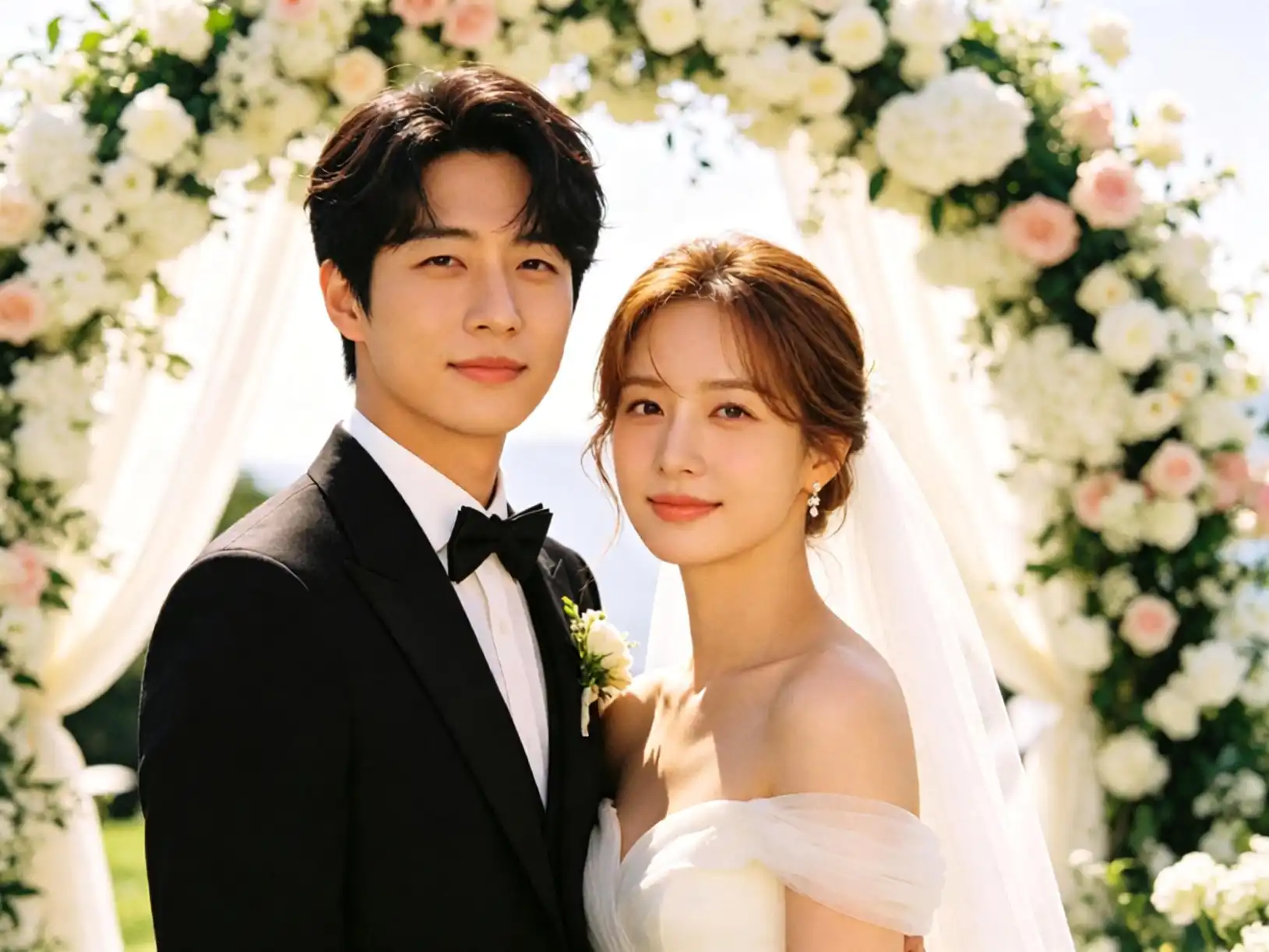
A wedding photograph, like the one above, often marks more than a ceremony. It represents the joining of two families, the start of a new branch in your genealogy, and the beginning of traditions that continue today. Ask relatives to describe what they remember about the day. You may learn about the dress, the weather, the cake, or the jokes told at the reception. These details add texture to the bare facts of a marriage date.
Heirlooms are equally powerful. A clock, a quilt, a letter, or a set of cufflinks can become the centerpiece of a life story. Ask who owned it, how it was made, and why it was kept. Every object carries a memory, and those memories are strands in your family history. If the object is too large to keep, photograph it and record the story that goes with it.
Connect the Past With the Present
Your ancestors’ lives connect directly to your own. The choices they made—where to live, what to believe, how to raise children—still echo in your daily routines. This is why exploring family member’s life history is such a meaningful entry point for beginners. As you collect stories, you may see yourself in their courage or recognize a habit that has passed through three generations.
To continue this journey, visit our family resources page at https://www.familylove.love/family for prompts and guides that help you deepen your conversations with relatives. You can also use it to organize your discoveries and decide which questions to ask next. Remember, every interview you conduct becomes a gift to the future.
Pass the Story Forward
Preserving a person’s life story is not a one-time project. It is a creative practice that grows as you do. Share what you have recorded with siblings, cousins, and children. Invite them to add their own memories. You may want to create a simple album, a voice recording, or a private online space where each branch of the family can contribute. The goal is not a perfect archive. It is a living collection that future generations can hold and reinterpret.
When you pass a story on, you also pass on the emotion behind it. Your grandchildren may never meet your grandfather, but they will know his humor if you tell the story about the day he chased a goat through the market. They will understand his tenderness if you describe how he held your hand during a storm. These are the threads of a meaningful family history.
Why This Work Matters for Ancestors
Ancestors become more than names when we remember them as people. In many cultures, to speak a name is to keep a spirit alive. The same is true for your family history. When you say, “This is where my great-grandmother lived” or “This is the song my great-grandfather loved,” you honor the full arc of their lives. You also remind yourself that you are part of something larger than one generation.
For beginners, the path can feel long. But every story you save is a step toward a richer understanding of who you are. The next time you sit with an older relative, let them talk. Resist the urge to rush or correct. Let the memory unfold in its own way. That quiet attention is the most powerful tool you have.