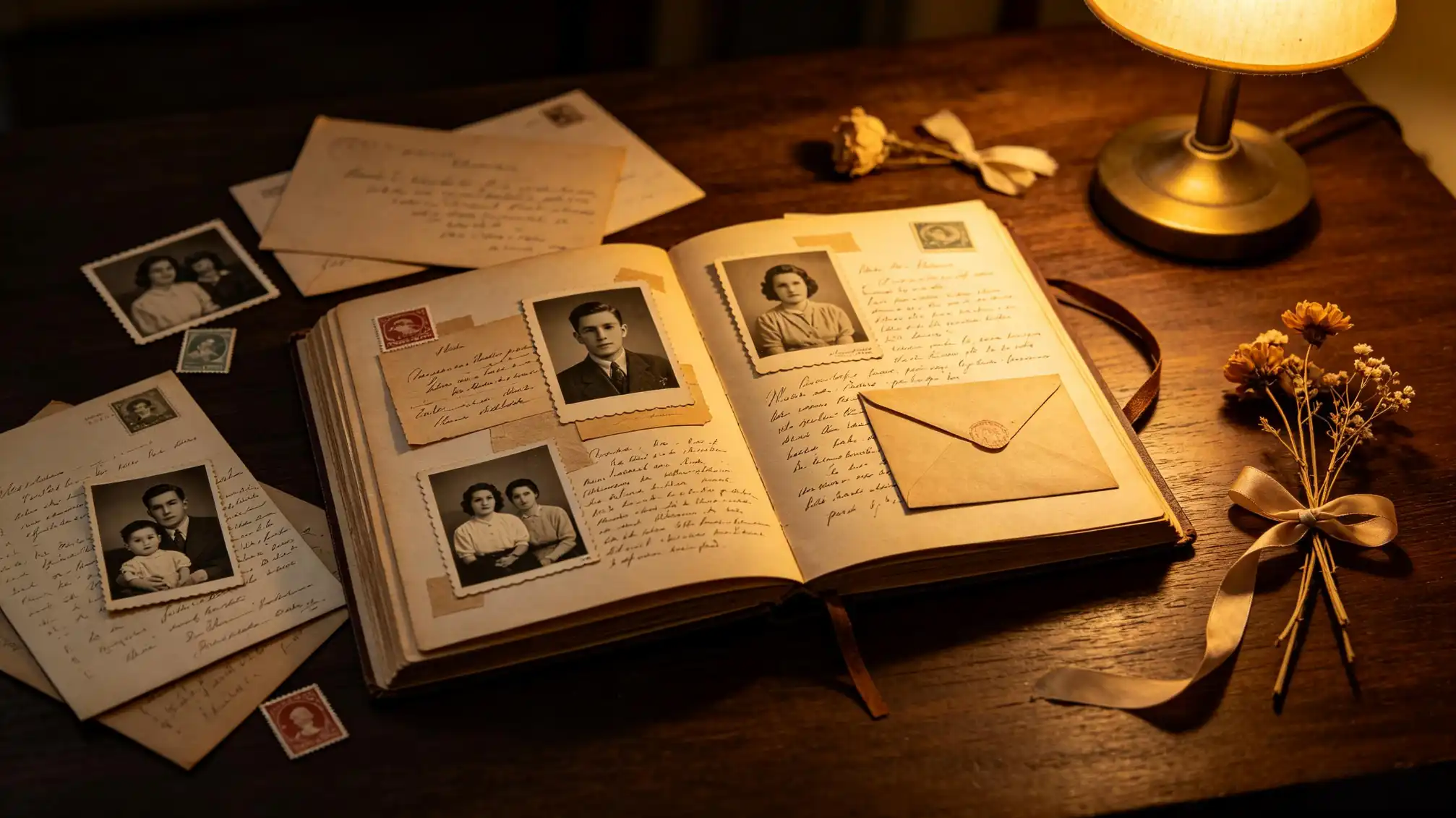
When you first hear the word genealogy, you might picture dusty archives or endless rows of names on a screen. But at its heart, genealogy is simply the art of restoring names to real people — people who loved, worked, struggled, and celebrated just like we do today. For beginners, the challenge is not finding information; it is knowing where to begin without turning wonder into overwhelm.
This guide takes a fresh angle on genealogy basics: instead of focusing only on data collection, we will treat your research as a story-discovery project — one where every document becomes a clue, and every relative becomes a narrator. Whether you want to build a family tree, trace ancestors, or simply understand your family history better, this approach will keep you grounded and motivated.
Start with What You Already Know
The very first step in genealogy is not Google. It is yourself. Your own memories, your parents’ stories, the names spoken at family gatherings — these are the foundational threads of your family history. Write down everything you know: full names, birth dates, places, nicknames, and even fragments like “Grandma came from a village near the sea” or “Uncle Joe worked on the railroad.” These details may seem small, but they are the sparks that will light your research path.
Once you have gathered your own knowledge, turn to immediate family. Ask open-ended questions that encourage storytelling, such as “What was your childhood home like?” or “Who was the relative you remember best?” Record these conversations if possible, always asking permission first. You will be amazed at how quickly a simple chat revives forgotten details — and how often a photo or letter will appear from a drawer.
Build a Simple Family Tree from Memory
Before diving into online databases, create a basic family tree chart using only what you already know. Start with yourself, then branch up to your parents, grandparents, and great-grandparents. Use a pencil or a simple digital tool. Leave blanks where information is missing — those blanks are your research goals. Seeing the structure visually helps you realize that genealogy is not a linear trail but a wide, interconnected web of relationships.
Interview Relatives: The Heart of Family History
One of the richest sources for family history is the living memory of older relatives. These interviews are not just about names and dates; they capture personality, culture, and the emotions behind the facts. Prepare a flexible list of questions, but let the conversation wander. Ask about hardships, celebrations, traditions, and migrations. A relative may suddenly say, “Our family name used to be different when they arrived at the port,” — and that one sentence could unlock a whole new branch of your ancestry.
If a relative is willing, ask to copy their old photographs, letters, and documents. Handle these items with care and always return them promptly. You can store digital copies in a dedicated folder on your computer or in a secure cloud service. Later, you will be able to organize these treasures into a cohesive family archive.
Choose a Provenance-First Mentality
As a beginner, you will quickly notice that many online family trees contain errors. Hasty copying is the biggest pitfall in genealogy. To avoid this, adopt a “provenance-first” mindset: every fact you record should include a source. If your aunt tells you that the family came from Ireland, that is oral testimony — write it down as “personal interview, 2024.” If you later find a ship manifest showing your great-grandfather’s arrival, that becomes your primary evidence.
Keep a simple research log. For each ancestor, note what you have checked, what you found, and what you still need to verify. This practice will save you hours of backtracking and will make your research more trustworthy.
Use Free and Low-Cost Genealogy Tools Wisely
There are many genealogy websites, both free and subscription-based. Start with free access whenever possible: many public libraries offer patron access to major databases. When you search, use wildcards for spelling variations and broaden your searches to include nearby towns. Remember that records can be misspelled, mistranscribed, or intentionally altered. Keep a compassionate mindset: our ancestors often could not read or write, so names were often recorded phonetically.
As you explore, you will also encounter census records, birth certificates, marriage licenses, and death records. These official documents form the backbone of a verified family tree. Pair them with newspapers, city directories, and cemetery records to add texture to the dry facts.
Turning Documents into Stories
Once you have collected a handful of sources, take a pause. Lay out a timeline for one ancestor. What happened in their life during major historical events? How old were they when they married, had children, or migrated? This simple exercise transforms data into a narrative and often reveals surprising patterns — such as a great-grandmother who gave birth during a war or a grandfather who moved so often that he appears in three different census districts in ten years.
Clusters of patterns can become meaningful stories for future generations. This is where your research begins to matter beyond a hobby. When you preserve these stories, you are giving your family a durable emotional inheritance.
If you have already started collecting a few memories or anecdotes, consider sharing them on the Family Love stories page (familylove.love/stories). It is a warm, caring space where people post their personal family stories — a powerful way to connect with your roots and inspire others.
Use Visual Cues to Spark Memory
Photographs are perhaps the most direct gateway to your ancestors’ world. Gather images that you have collected and study them closely. Examine clothing, hairstyles, background buildings, and even the way people pose. These visual clues can help date a photograph and suggest social status, regional identity, or family relationships. Do not assume that unnamed photographs are useless; ask older relatives to identify faces. Often, someone will say, “That is your great-uncle Frank — he used to tell the funniest jokes.” The next time you browse through old photos, remember that each face is a chapter of your family’s history.
As you accumulate digital scans, organize them in folders by family line, then by era. Name each file with the person’s name and date if possible. This small habit will make it much easier to share your collection with relatives or to pass it on to the next family historian.
Connect with Cousins and Distant Relatives
You are not the only person researching your family. Distant relatives you have never met may hold the missing pieces you have spent months searching for. Take advantage of messaging systems on genealogy platforms or social media groups dedicated to surname or regional research. When you reach out, be polite and specific. Share what you know and ask a focused question. Many family historians are happy to exchange information if you treat their records and memories with respect.
Online collaboration can also lead you to family books, DNA test insights, or oral histories that never made it to digital databases. Remember that every connection is another thread in the larger tapestry of your ancestors’ story.
Keep Questioning and Stay Curious
Genealogy is not a race. It is a lifelong process of learning and adjusting. Sometimes you will feel stuck, and that is normal. When you hit a brick wall, go back to your research log and re-read the clues. Try searching for a surname in a local historical society or a neighboring county. Ask a librarian for help — they are often underrated allies in family research. Most importantly, allow yourself not to know everything; a mystery left for the next generation can become a beautiful invitation for them to begin their own journey.