Your Family History Is Waiting: How to Start Capturing It Today
Every family has a story—some told aloud, some held in silence, and many waiting to be noticed. Recording your family history doesn't require a professional genealogist or a stack of dusty documents. It begins with curiosity, a bit of patience, and a desire to hold onto the moments that make your family yours.
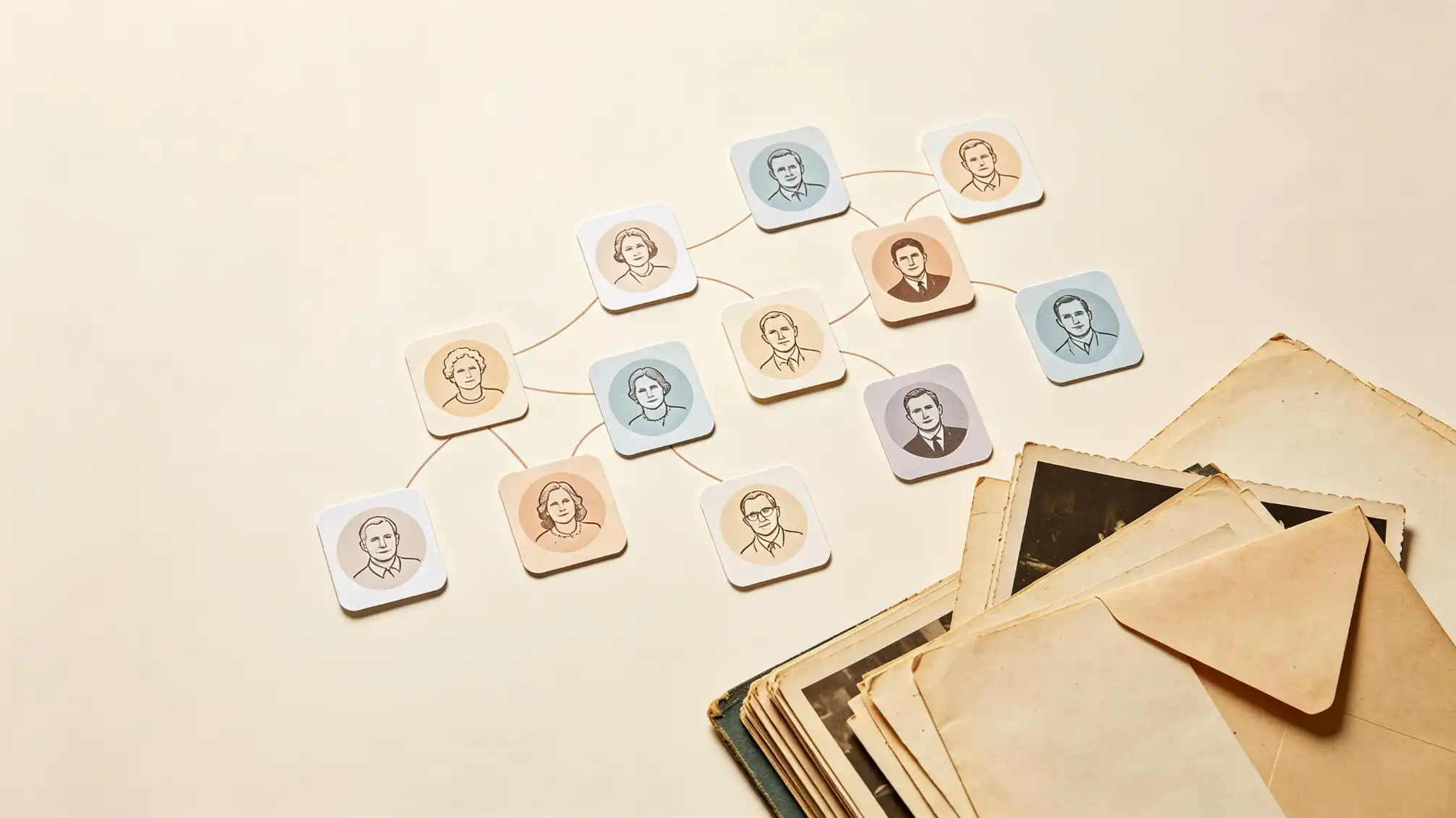
Many people hesitate because they think they need to know everything before they begin. But family history is not a final destination; it is a living conversation. You can start with a single photograph, a recipe card in your grandmother's handwriting, or a name your aunt mentions in passing. Every small thread leads to a richer tapestry.
Start Close to Home
The best place to begin is not an archive or a genealogy website—it's your own living room. Look around for the objects that carry meaning: a worn baptismal gown, a set of hand tools, a silver bracelet with an engraved date. These items are anchors for memory. Set them aside and ask yourself what you already know about them. Even a simple note like "Mama's brooch from her 25th anniversary" turns an object into a document.
Next, gather the paper trail. Birth certificates, wedding announcements, military discharge papers, and old passports are family history gold. They provide the dates and places that support the stories you will collect. As you go, make a folder—physical or digital—for each family line. This small act of organisation gives you a place to put every discovery and avoids the chaos of scattered notes.
Open the Door to Family Stories
Once you have your first clues, invite someone to talk. You do not need a formal interview setup; a quiet cup of tea works beautifully. Ask open-ended questions like "What do you remember about your grandmother's kitchen?" or "How did your parents meet?" Let the conversation wander. Some of the best family stories hide in tangents.
If you can, record the conversation with your phone or a small voice recorder. Always ask permission first, and explain why it matters to you. Many older relatives feel honoured when someone wants to listen. You may hear the same tale you have heard a dozen times, but this time you will catch the way their voice softens at the end—that is the emotional truth you cannot write down later.
Turn Names on a Tree Into People
A family tree can feel like a dusty chart of names and dates, but it becomes something far more powerful when you attach stories to each branch. Start with yourself and work backward. For each ancestor, add a line about what you know: where they lived, what they did for a living, who they loved, what they lost. The goal is not perfection; it is presence. A tree with a handful of well-rounded people is worth more than a thousand empty branches.
As you build your family tree, you will notice gaps. Some can be filled with public records, but many can only be filled by family stories. This is when the search becomes a shared adventure. Relatives who once seemed distant may warm up when you mention a grandfather's nickname or a great-uncle's sense of humour. Family history is a relational practice—it deepens connection while it documents the past.
Preserve the Voice of Your Family
Do not stop at written notes. Record your mother singing a lullaby, your father explaining how to fix a bicycle, your uncle describing the neighbourhood where he grew up. These voice recordings capture the accent, the laughter, and the phrasing that make your family unique. Later, you can transcribe them or keep them as audio files. Either way, you are building an archive no one else can duplicate.
If you are looking for a gentle way to share what you have collected, read how other families have shaped their memories into keepsakes at FamilyLove Stories. Seeing how others handle fragile emotions and joyful moments can give you the confidence to find your own approach.
Create a Lasting Keepsake
Recording is only half the work; the other half is making your family history easy to hold. You might create a simple photo book with captions, a memory box for each generation, or a digital folder you can share with cousins. The format matters less than the habit. Set aside one hour each month to add what you have found. That steady rhythm will turn a good intention into a lasting legacy.
Remember to include the everyday details. What time did Sunday dinner usually start? What was the smell of your grandfather's workshop? Why did your family never eat a certain food? These sensory details bring ancestors to life for children who never met them. When future generations open the book or listen to the recording, they will not just learn facts—they will feel what it was like to belong.