Why a Family Tree Is More Than a Chart
Starting a family tree is one of the most rewarding ways to connect with your family history. It is not simply a chart of names and dates; it is a living record of the people, places, and stories that made you who you are. For first-time researchers, the process can feel huge, but it becomes much easier when you break it into simple stages. You don't need to be a professional genealogist. You just need curiosity, patience, and a plan.
The best family tree projects begin at home. By asking relatives questions, collecting notes, and organizing memories, you can build a foundation that will support your research for years. Instead of chasing distant ancestors first, focus on the people you already know and work outward. This not only gives you confidence, it also produces a more accurate family tree.
Step One: Begin With Your Own Knowledge
Every family history starts with one person: you. Write down your full name, date of birth, birthplace, and the names of your parents, grandparents, and siblings. Include as much detail as you can, even if you are not sure it is correct. This first list becomes your starting point and helps you identify gaps.
Use a notebook or a digital document for these initial notes. You can sort this information later, but the goal now is to get it out of your head and into a form you can review. As you write, ask yourself questions:
- Which relatives do I know well enough to interview?
- What details do I already know about my grandparents or great-grandparents?
- Are there any family stories I have heard but never confirmed?
Answering these questions will prepare you to build a family tree that includes more than just names. You will also capture the relationship details that make family history meaningful.
Step Two: Turn Relatives Into Living Sources
Your relatives are one of the richest resources you will ever find. Older family members often carry memories that have never been written down. Speaking with them can reveal family history clues that no online database can offer.
When you interview a relative, record the conversation with their permission and take notes. Ask open-ended questions about everyday life, celebrations, and difficult times. You might learn about a grandparent's first job, the home where a great-aunt grew up, or the reason a distant cousin settled in a particular city. These stories add texture to your family tree and help you understand your relatives as real people.
Here are a few questions to start a meaningful conversation:
- Where were your parents born, and what did they do for work?
- What do you remember about your own grandparents?
- Which family traditions did you love most when you were young?
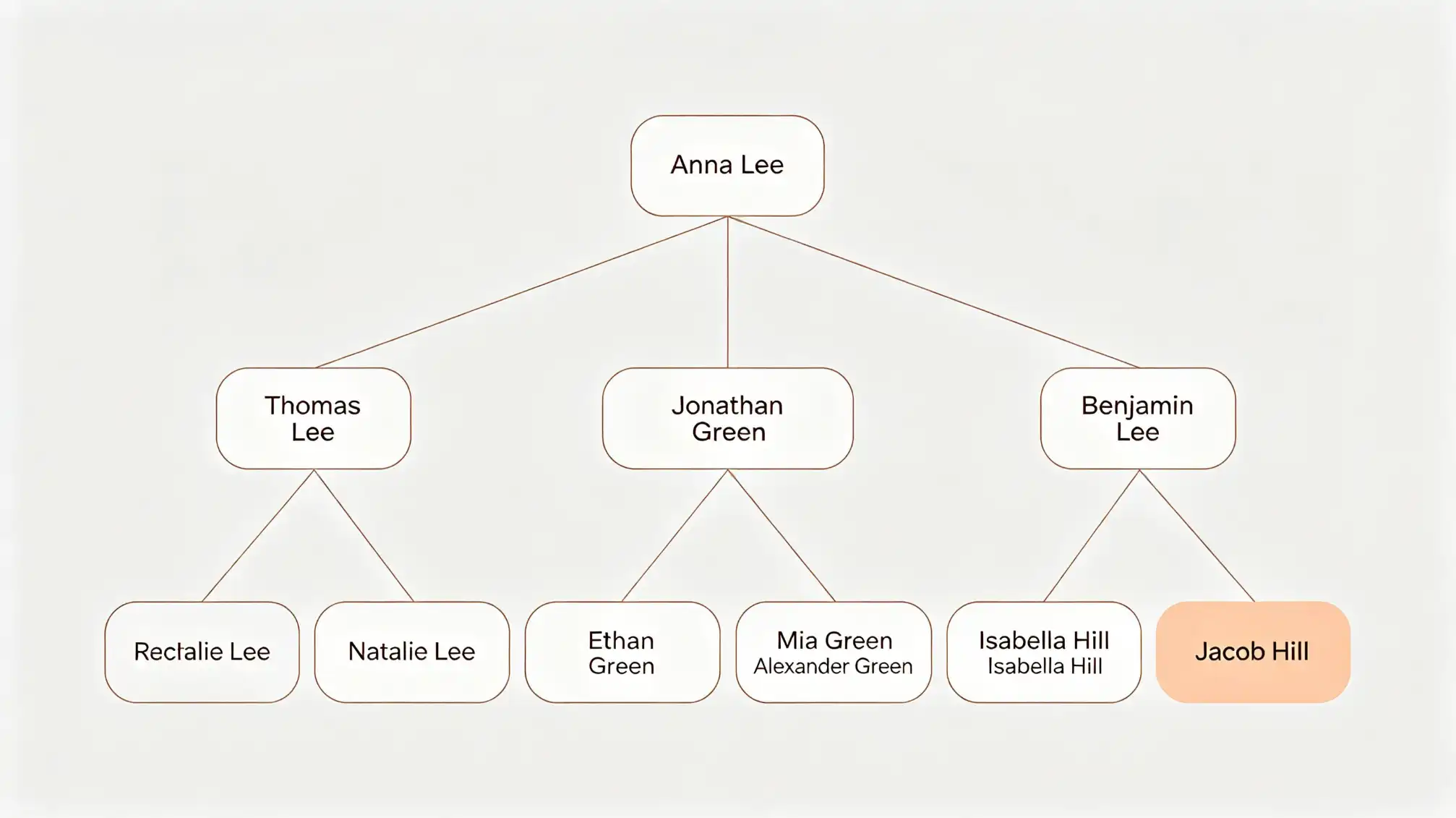
After each conversation, transfer any new names, dates, and relationships into your notes. Even small details can help you connect branches of your family tree later. Remember to label every photograph and document you receive with names, dates, and locations while the information is still fresh.
Step Three: Choose a Simple System to Build Your Family Tree
Once you have gathered a solid base, you need a system to organize it. Many beginners ask how to build a family tree without getting lost. The answer is to choose one tool and use it consistently. You can start with a paper chart, a spreadsheet, or dedicated family tree software. Each option has strengths, so pick the one that matches your comfort level.
A paper chart is excellent for seeing relationships at a glance. A spreadsheet lets you sort and filter details quickly. Software or an online family tree builder often includes hints, maps, and record storage. Whichever method you choose, keep one master copy and back it up. This prevents lost work and gives you a reliable place to return to whenever you make discoveries.
Step Four: Organize Family History Documents
Family history research produces paperwork: birth certificates, marriage records, obituaries, letters, and photographs. Create a simple filing system that groups documents by family line or by person. If you prefer digital files, scan each item and name the file in a way that makes sense, such as surname-firstname-document-type-year.
Organizing early will save you hours later. When you find a record with an ancestor's signature or a relative's photo, take time to record its source. You do not need a complicated citation style, but at minimum include who gave you the document and when you received it.
As you continue, remember that a family tree is about people, not just paper. If you want to keep the relational side strong, visit the family-focused page at familylove.love/family for ideas and practices that connect family history with everyday life.
Step Five: Verify Facts Before You Add Them
Accuracy matters. A family tree built on guesswork can mislead you for years. When a relative shares a memory or you find a record online, compare it with other sources. Look for consistency in dates, places, and names. If two sources disagree, keep both and note the difference until more evidence appears.
Online family trees can be helpful, but they also contain many errors. Treat them as clues, not facts. Search for official records whenever possible, and work with the original source if you can. This approach will give you confidence that the family history you are building is reliable and durable.
When You Get Stuck in Your Family History Search
Every family tree researcher reaches a point where records seem to disappear. Instead of giving up, try changing the spelling of a surname, expanding the years you are searching, or asking relatives if they remember a maiden name or nickname. Local history books, cemetery records, old newspapers, and church registers can also provide clues that online databases miss.
Remember that family history is not a race. Some questions take months or even years to answer. The goal is to build a family tree that honors your relatives and helps future generations understand where they came from. Slow progress still counts as progress.
Share Your Progress With People Who Matter
Building a family tree does not have to be a private project. Sharing your early findings with relatives can uncover more information and correct mistakes. Show family members the chart you are creating and ask them to mark anything that looks wrong. Their reactions may unlock memories they did not think to share before.
You can also use your family tree as the centerpiece for a family gathering. Print a large diagram, bring old photographs, and let people add their own notes. These conversations often lead to some of the most meaningful discoveries in your family history research.