Family history begins with a question asked out loud: What was life like for you when you were young? That single question can open a door to stories no record will ever capture. As a beginner, you might think family history is mostly about genealogy, family trees, and lists of ancestors. But the deeper purpose is far warmer: it is about preserving the lives of real people.
When you lose a relative without recording their voice, their humor, or their quiet struggles, something irreplaceable disappears. A death certificate tells you when they passed; it does not tell you how they laughed. The good news is that you can begin today, with one person, one story, and one small recording. This article explains why a single life story is the most valuable piece of your family history and how to start preserving it.
The World Behind a Family Tree
A family tree can be beautiful. It shows names, dates, marriages, and children. It connects you to ancestors you never met and fills a basic human need to belong. But a tree without stories is like a photograph without color. You see the structure, but you miss the texture of daily life.
Think about your grandmother's childhood home. The town may appear in census records, and her parents may be listed on a genealogy website. But what did she smell when she walked into the kitchen after school? What did she fear during the long winter nights? What small victory made her proud at age twelve? These details are the true substance of family history. They turn a name on a branch into a person you can almost hear breathing.
For beginners, this can feel like a shift. You may have started with DNA kits or surname research. That is a fine first step. Yet as you move from facts to memories, you will realize that preserving a life story is not an extra project—it is the point of everything you are doing.
Why a Single Story Can Change Your Family History
Every family has a storyteller—the one who tells the same funny story every holiday. That person is not just entertaining; they are carrying your family history in their mind. When you preserve their life story, you do more than save anecdotes. You create a touchstone for future generations.
Children who hear stories about their ancestors feel more grounded. They learn that their family has survived hardship, celebrated small joys, and made difficult choices. This knowledge builds resilience. It gives them a sense of continuity in a world that often feels broken. Your interviews, recordings, and written notes become an anchor.
Preserving one person's story also changes how you see your own place in the family. You begin to recognize patterns: a great-aunt who loved gardening, a grandfather who repaired watches, a cousin who wrote poems. Those interests and talents often reappear in younger generations. When you document them, you give children a mirror and a map.
And there is a quieter reason. Grief is softened by knowing that we did not let a life simply fade away. When you take the time to ask questions and listen deeply, you honor that person. You tell them, in effect, that their life matters. That act of attention can be one of the most meaningful gifts you ever give a relative.
Starting with One Conversation
If you are new to family history, do not feel pressured to build a huge archive overnight. Start small. Choose one relative you love and ask them three open-ended questions. Avoid questions that can be answered with yes or no. Instead, ask about a specific time in their life: Tell me about the house you grew up in or What did you and your friends do for fun?
Record the conversation on your phone if they agree. Even a simple audio file is enough. You do not need professional equipment. What matters is that you listen without rushing and let silence do its work. Often the best stories come after a pause, when your relative decides to trust you with something real.
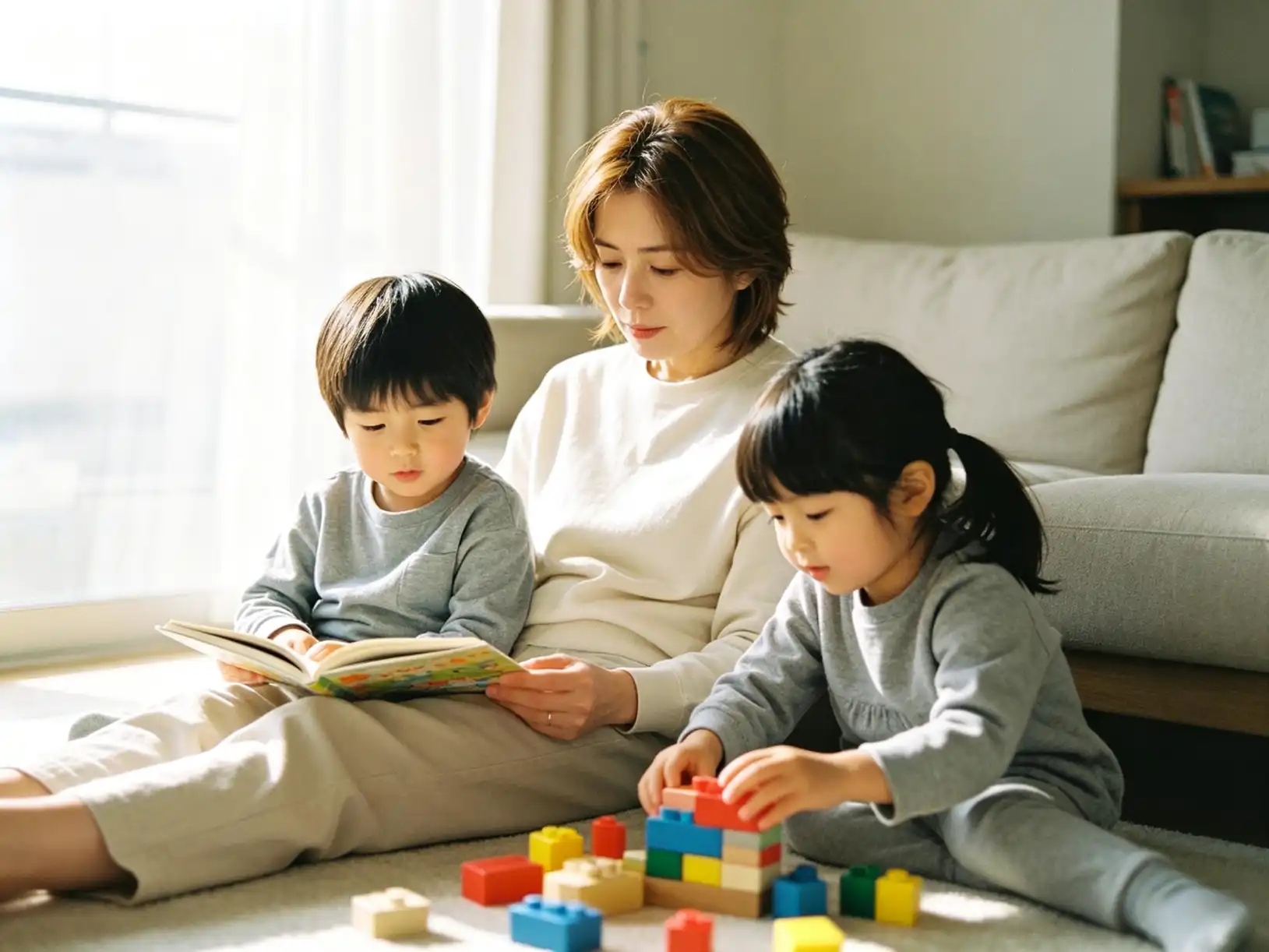
After the interview, write down anything you remember. Note the emotions in the room, the expressions on their face, the details that surprised you. These observations are part of the story too. If you are unsure what to ask, think of your family tree as a map and let your curiosity be the guide. Each branch has a life behind it; you are simply asking that life to speak.
Everyday Items as Family History Treasures
You do not need a museum to preserve a life story. Start with what is already around you. Old recipe cards, a worn Bible, a toolbox, a piece of embroidery, a favorite shirt—all of these objects carry memory. Ask your relative about them. When they hold an object and tell its story, you are witnessing family history in its most natural form.
Photographs are especially powerful. Go through a shoebox of old pictures together. Ask who is in the photo, where it was taken, and what happened right after the camera clicked. These details turn ordinary snapshots into vivid chapters of your family history. You may also discover that your ancestors share the same gestures or expressions you see at family gatherings today.
Be gentle with the process. Some memories are painful, and your relative may not want to revisit them. That is okay. Let them set the pace. Family history is not a checklist; it is a human relationship. The moment you show genuine interest, you are already preserving something valuable.
From Memory to a Living Family Archive
Once you have collected a few stories, you can organize them in a way that feels natural. Some people enjoy creating a digital archive with scans and voice files. Others prefer a simple notebook or a private blog. The format matters less than the habit of capturing and revisiting stories.
If you are just beginning and feel a little lost, you don't have to do it alone. Our family page is a warm, beginner-friendly place to start. It gives you simple ways to approach the people you love and turn their memories into lasting family history. You can also ask older relatives to help you identify names on a faded photo or confirm the branches of your family tree. Their memories are the missing pieces you are looking for.
Remember that family history is not only about the past. It is also a promise you make to the future. Years from now, someone you have never met may listen to an old recording of you asking your grandfather about his childhood. That voice will feel like a gift. By preserving one person's life story today, you are building a bridge across time for generations who have not yet been born.