Why Tracing Your Ancestors Still Matters
Every family story begins with a question. Maybe you want to know where your surname comes from, or why a great-grandparent left their homeland. Tracing your ancestors is not about building a perfect tree with hundreds of branches. It is about recovering lost voices and making sense of who you are today.
Yet many people start with the wrong tools. They type a name into a database, hit search, and then freeze when too many matching records appear. That is why a step-by-step method matters: it gives you a sequence that prevents you from getting lost. Instead of jumping between sites, you build a foundation you can trust.
Start With What You Already Own
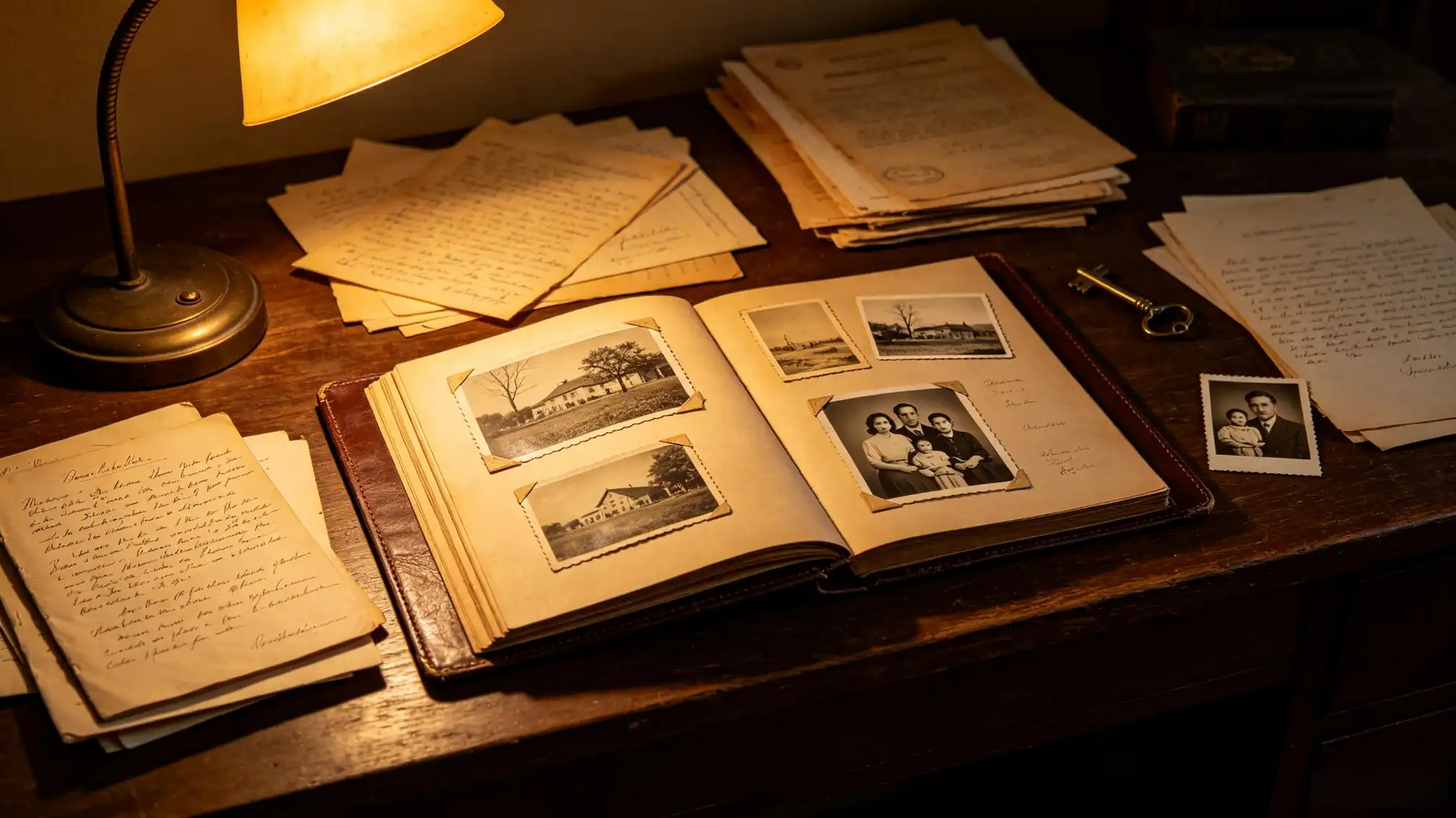
Before you step into an archive or open a subscription site, look inward. Most family history begins in shoeboxes, Bibles, and drawers full of miscellaneous paperwork. Birth certificates, marriage licenses, funeral cards, old letters, and even a passport can reveal names, dates, and locations.
The idea is simple: work from the known to the unknown. Begin with yourself and walk backward one generation at a time. For each generation, ask three questions: Who? When? Where? These questions create search clues for the next level of records.
Make photocopies or take photographs of every document you find. Do not write on the originals. Then create a simple folder system—one folder per family surname or per ancestral couple—so you stay organized from day one.
Conduct Interviews Before It Is Too Late
Your living relatives are primary sources. They might not remember every date, but they can tell you stories that no record will ever capture: what your grandfather did for work, which town your great-aunt was born in, or the migration path your family took across borders.
Record the conversation with permission. Ask open-ended questions, and avoid interrupting or correcting the person mid-thought. If you hear a name or place you do not recognize, write it down and return to it later. A single phrase like “they came from County Cork” may save you months of searching.
Once you collect these memories, type up your notes and store them alongside your document scans. This becomes the foundation of your family history narrative—not just a list of facts, but a story that later generations can actually follow.
Use an Organized Family Tree Chart
You can keep your research in a physical binder or use genealogy software. The exact tool matters less than the habit of tracking every source. A family tree is only as useful as the evidence supporting it.
Start with a five-generation chart. Fill in what you know, leaving blanks where information is missing. Do not guess just to make the chart look complete. Every blank line is a research goal. Work on one blank at a time.
When you find a record that gives you a new name or date, immediately record where you found it. Write the source description in full: the archive name, the record group, the page number, or the website address. You will thank yourself later when two records contradict each other.
Learn to Navigate the Major Genealogy Records
As you move further back, you will rely on census records, vital records, church registers, and immigration documents. Each type of record has its own rhythm, and each requires a slightly different search strategy.
- Census records capture a family every few years. They can reveal changes in household members, occupations, and even next-door neighbors who may be relatives.
- Vital records (birth, marriage, death) are often the backbone of a solid tree. Search the county or city where the event happened, not the town you assume.
- Church records often predate civil registration. Baptism and marriage entries may include parents' names, witnesses, and sometimes even birthplaces.
- Immigration and naturalization papers often list the port of departure, ship name, and original place of residence.
Start with one ancestor, not a whole family line. Pick the person whose birth date and place you know with highest confidence. Follow their records backward for three generations. This narrows your focus and builds momentum.
Verify Everything Like a Professional
Amateur genealogy is easy; professional genealogy is methodical. You must treat every record as a clue, not as proof. A name spelled the same way does not mean the same person. An age on a census that matches your ancestor may be off by five years.
Write down your reasoning. For each new fact, ask: Could this be someone else? Does this record agree with what I already know from a different source? If two independent records agree, you can treat the fact as moderately reliable. If only one source exists, mark it as unresolved.
This habit also helps you avoid “copy-paste genealogy”—the trap of adding unsourced names from other people’s online trees. Those trees are full of errors. Use them as hints, not as answers.
Integrate DNA Testing as a Supplement
A DNA test can open new doors, especially when paper records fail. It cannot tell you exactly who your third great-grandfather was, but it can confirm existing hypotheses and connect you to genetic cousins who share a common ancestor.
Before you take a test, decide which company fits your geographic region and your research goals. After you receive your results, upload your raw data to multiple platforms if allowed. Prioritize matches who also have a family tree attached. Contact notes should be brief, polite, and specific about your shared surname or geographic region.
DNA evidence works best when combined with documentary evidence. Never change your tree based solely on a match; let the match steer you toward records that can prove the connection.
Organize Your Findings With a Research Log
As your stack of records grows, you will need a research log. This is simply a table where you list the date of a search, the repository or website, the exact search terms used, and what you found or found nothing. It sounds tedious, but it prevents duplicate searches and helps you remember negative results.
You can create this log in a spreadsheet or a notebook. Update it every time you search, even if the search returned zero matches. Negative results are valuable: they tell you where not to look again. Over time, your log becomes a map of the ground you have already covered.
If you want to share your process or ask for help from others, consider posting a short update on the family stories section of FamilyLove. Many genealogy communities welcome detailed notes about brick-wall ancestors because those notes can trigger a memory in someone else.
Face Brick Walls Without Giving Up
Every family tree has a stopping point. You may reach a census record where your ancestor’s name changes completely, or a county where all birth records burned in a fire. When that happens, step back and review the context.
Look for neighbors who share the same surname. Search for land records, probate files, or court records. Read the history of the area—war, migration, and religious persecution often explain why records disappear. Sometimes you need to search one town over or try a phonetic spelling of the surname.
It also helps to join a local genealogy society or an online group dedicated to that specific region. People who know the local records and naming patterns can save you hours. And if you ever reach a place where your own tree ends, another branch of your family may be documented in someone else’s story—which is exactly why sharing your research is not optional.
Once you find a few complete generations, your family tree becomes a springboard for deeper work. Write short profiles for each ancestor, not just dates and places. Include one anecdote, one photograph, and one unresolved question. That simple act transforms your ancestors from names on a chart into people again.