Building a family tree is more than drawing lines between names. It is a way to see yourself in the context of the people who came before you. When you start with your parents and grandparents, you create a strong foundation that makes it easier to reach further back into your ancestry. With a little patience and the right method, you can build a family tree that is accurate, meaningful, and ready to share with relatives.
Start With What You Already Know
Before you schedule interviews or search through archives, write down everything you already know. Your own life is the trunk of your family tree, so begin there. List your full name, date of birth, birthplace, and any details about where you grew up. Then move to your parents and grandparents. For each person, note the information you are sure of, even if it is incomplete.
- Full legal names and nicknames
- Dates and places of birth
- Marriage dates and locations
- Places of residence
- Significant life events
This initial list becomes your checklist. It shows you which details are missing and which questions to ask first. You may be surprised how much you already know through family stories, old letters, or birthday cards.
Interview Parents and Grandparents With Purpose
Your parents and grandparents are your most valuable sources for the first three generations. Sit down with them in a calm setting and ask open-ended questions. Instead of simply asking for dates, ask for stories that naturally reveal details about relatives and ancestors. For example, ask about where they lived during a milestone year, what their parents did for work, or how they met their spouse.
Keep a notebook or recording device ready, and make sure you start with the facts you already know. This builds trust and helps them correct small errors before they become part of your tree. Some helpful questions include:
- What do you remember about your grandparents' home?
- Were there any family traditions you loved as a child?
- Do you remember any family travels or migrations?
- Who was the relative you felt closest to and why?
Whenever possible, interview one person at a time. This allows for longer, more personal responses. After the interview, send a short thank-you note and repeat the key details back to them. That simple act can catch mistakes and inspire more memories later.
Choose a Family Tree Format
Once you have collected names and stories, decide how you want to display your family tree. A simple vertical chart works well for beginners because it is easy to read and share. A fan chart gives you a beautiful overview of your direct ancestors, while a landscape format is better if you want to include siblings, aunts, uncles, and cousins. Your choice depends on how many generations you want to show and whether you plan to print it or keep it digital.
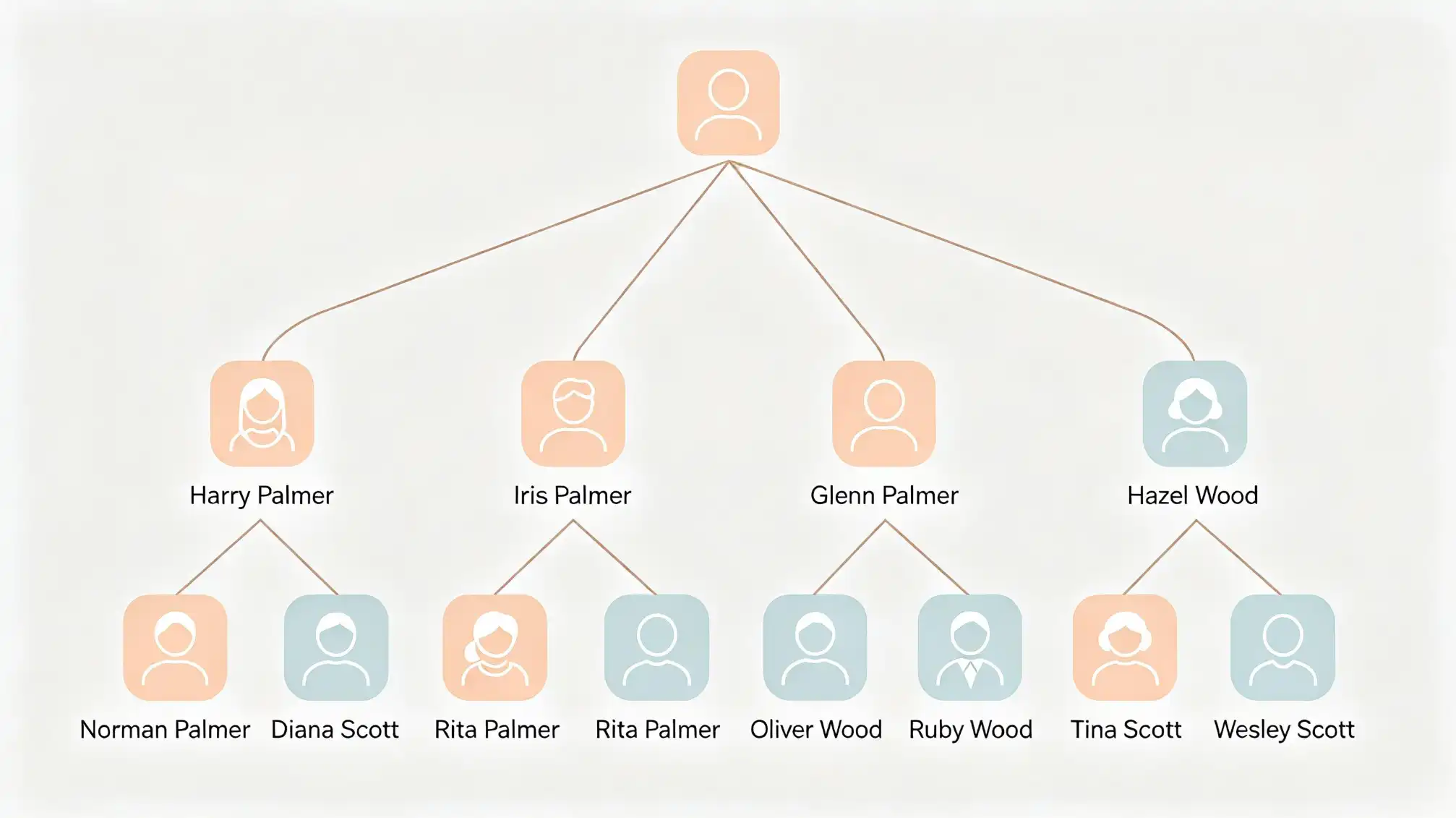
Whichever format you choose, keep it consistent. Use one color for each generation, clear symbols for dates, and a legend if you include more than simple names. A clean layout helps relatives understand the tree at a glance and makes it easier to update as you discover new information.
Verify Names, Dates, and Places
Family memories can fade, and even official records sometimes contain spelling errors. Before you add a person to your family tree, try to verify the key facts using at least two sources. Birth certificates, marriage licenses, census records, passenger lists, and old photo albums are excellent starting points. If you can, ask two relatives to confirm the same detail independently. This is especially important when you move into earlier generations, where ancestors may have changed the spelling of their last names or used different names in different countries.
When you do meet a dead end, record the uncertainty instead of guessing. Write a small note in your tree such as “date estimated from census record” or “last name appears as both Miller and Muller in 1900.” Future generations will thank you for being honest about what is known versus what is likely.
Use Your Family Page as a Living Record
A family tree is never truly finished. Births, marriages, and new discoveries will keep adding leaves to your branches. Instead of keeping your research locked in a single document, treat it as a living record. If you want to keep your growing tree organized and share it with relatives, visit the family relationships hub at https://www.familylove.love/family for a helpful action reference. There you can see how a shared family space can keep everyone connected and make it easier to collect updates from relatives near and far.
Keep Expanding Without Overwhelming Yourself
Once your parents and grandparents are well documented, you can move on to great-grandparents and beyond. Work one branch at a time so you do not feel lost. For each new person you add, save the source of the information and note any missing details. This systematic approach helps you build a reliable family tree that honors the true lives of your relatives and ancestors.
Remember that building a family tree is also about compassion. You may find records of difficult times or family members who were estranged. Record the facts gently, with context, and leave space for multiple perspectives. A family tree is not just a genealogy chart; it is a story of resilience, change, and love.