If you have ever listened to a grandparent describe a childhood home, a parent tell the story of how they met, or an aunt recall a family joke that still makes everyone laugh, you have already touched the heart of family history. Family history is more than a list of names and dates; it is the collection of moments, decisions, and dreams that make your people real. When you begin exploring a family member's life story, you are doing something valuable: you are turning memories into something future generations can hold onto.
Every Family History Begins with a Voice
Every family history begins with a voice. Somewhere in your family, there is someone who remembers a time you never saw: a kitchen table, a specific song, a street that no longer exists. That voice is an opening. When you ask a relative to tell you about her childhood, you are not just being polite; you are collecting the raw material of family history. The information may arrive as a short memory, a funny story, or a long pause before an answer. All of it matters.
Beginners often hesitate because they do not know what questions to ask or worry that the conversation will feel forced. But most people are surprisingly willing to talk about their lives when someone shows genuine curiosity. The key is to listen more than you speak. Let the story wander. Follow the emotion. You might discover that the memory your relative treasures most is not the one you expected.
What Is at Stake When Memories Fade
Most of us assume there will always be time. We think we will record stories after the next holiday, or when work slows down, or when we feel more prepared. But time has a way of moving faster than our good intentions. By seeing clearly what is at stake, we can make recording a life story a priority rather than a someday project. When a story stays in one person's mind only, it remains fragile. Once it is written or recorded, it becomes part of family history.
This is not about rushing someone or turning every dinner into an interview. It is about recognizing that every unwritten story is at risk. Memories fade, details soften, and the people who hold them will not always be here. That is not a sad thought; it is an honest one. It is what makes the act of preserving a life story so meaningful. You are not just collecting facts. You are making sure a person's voice is not lost.
Special Moments Are the Best Invitation
Special occasions create a comfortable doorway. Weddings, reunions, and milestone birthdays bring multiple generations into the same room. These are not just celebrations; they are chances to capture family history before everyone scatters. At a wedding, for example, you may find an older cousin who knows the name of the bakery where your grandparents had their first date. That detail may never have made it into any record. Asking one thoughtful question could preserve it.
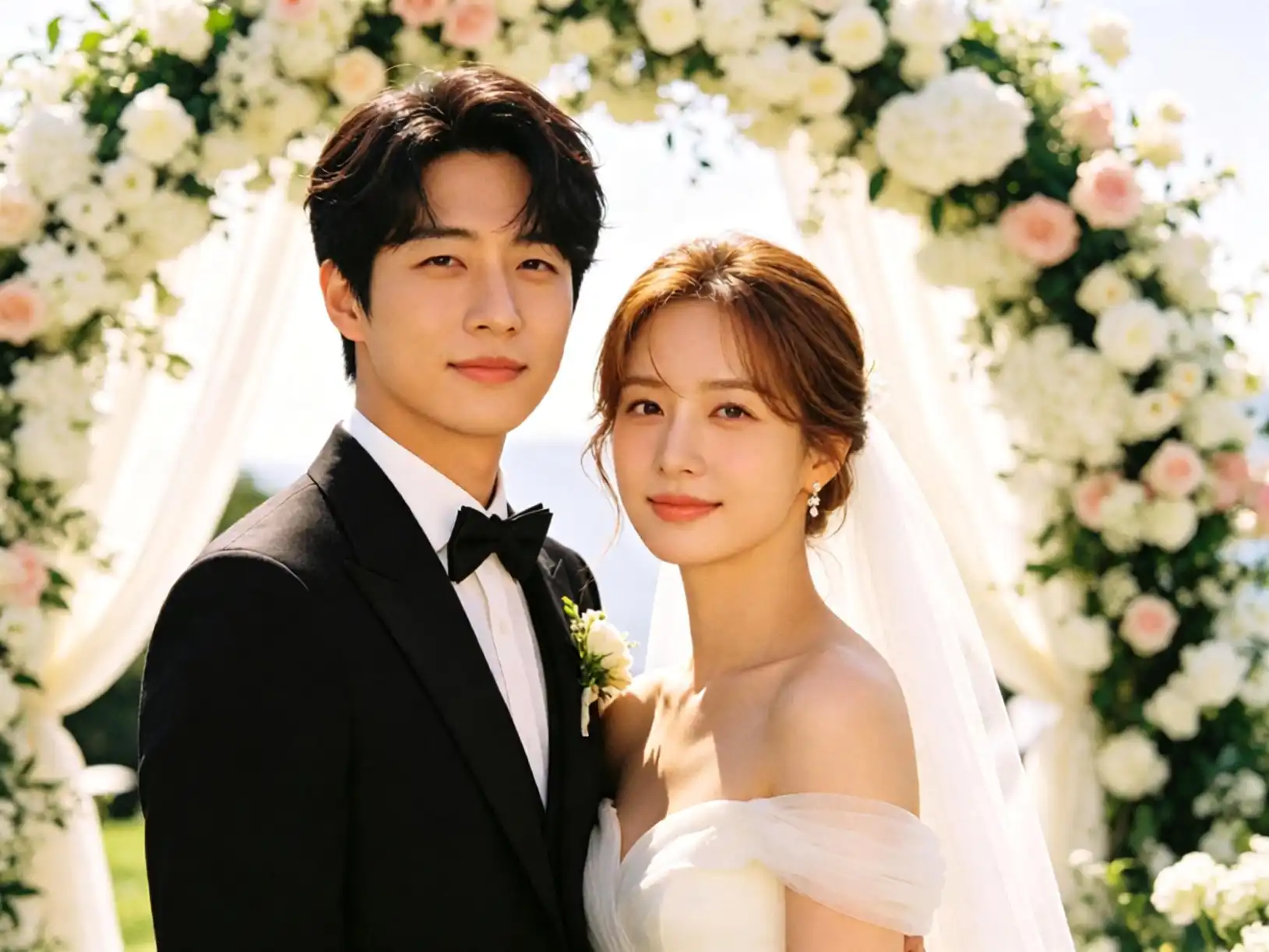
These gatherings are also gentle reminders that family history is alive whenever people come together. You do not need a formal plan. A simple question like “How did you two meet?” can lead to an hour of shared memories. The moment feels natural because it belongs to the occasion. Later, when you write those memories down, you will realize that a family celebration became a bridge to your ancestors.
Life Stories Bring Your Family Tree to Life
Many beginners start with genealogy because it feels concrete. You can search census records, birth certificates, and immigration files. But a family tree without stories is like a map without landmarks. It is accurate, but it does not help you feel the terrain. When you add what your grandmother loved, what your grandfather did for a living, or how your great-grandparents met, you are doing more than building a tree; you are restoring a landscape. Future relatives will see not just names but personalities, struggles, and joys.
Over time, those small details become the texture of your family history. The way a person laughed, the phrase she repeated, the modest habit he never abandoned — these are the things that make an ancestor feel present. They also teach children that every name on the tree belonged to a person with a life as real as their own. When you pair documented facts with spoken stories, your family tree becomes a truer portrait of the people who came before you.
How to Start with a Single Conversation
Begin gently. Pick the person you are closest to, or the one whose life you know least. Ask permission and show genuine curiosity. Simple questions often work best: What did you want to be when you were ten? Which place felt most like home? Who in your life changed the way you think? You do not need to interview everyone at once. One conversation can give you enough material to shape your family history.
Practical help is not hard to find. If you would like ready-made prompts, the family section at FamilyLove.Love has ideas for talking with relatives and gathering memories with respect. Think of it as a companion for your first steps. You can also use it to prepare before a holiday or a family reunion, so you arrive with questions that feel natural, not scripted.
Hold the Story Carefully
As you collect stories, keep them safe. Write down the date, the person's name, and as many details as possible. Use the same name for places and people so your notes stay consistent. Recordings are valuable, but even short written notes can become the backbone of your family history. When you organize what you gather, you are making it possible for something meaningful to be passed down.
Remember, you are not aiming for perfection. A life story is not a polished biography; it is a living thing. It can be messy, emotional, and full of gaps. That is exactly what makes it honest. The act of preserving is more important than the final form it takes. Whether you create a simple notebook, a digital folder, or a set of voice recordings, you are giving the future a gift that no online database can provide.