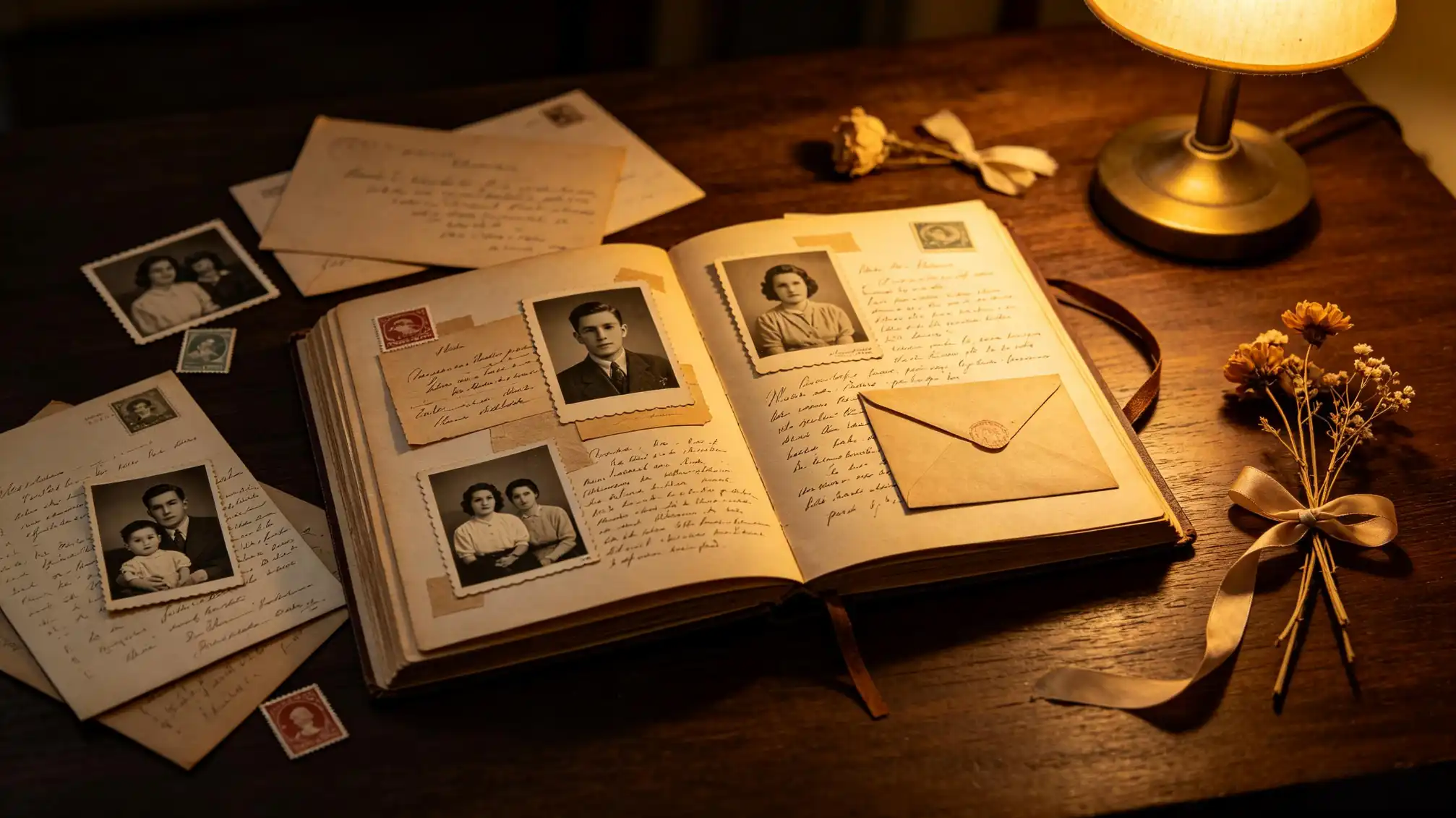
Family photos capture fleeting moments, but the prints themselves can fade, crack, and lose their color if left untreated. Whether you have a shoebox of loose prints or a stack of albums from your grandparents' era, preserving these images is one of the most meaningful gifts you can give to future generations. From a faded wedding portrait to a tiny black-and-white snapshot, every image holds a clue to your family history. In this guide, we'll walk through simple, practical steps to keep your family photos safe, organized, and full of life for years to come.
Why Old Family Photos Need Extra Care
Most old photos are printed on paper that reacts to light, moisture, and temperature changes. Exposure to sunlight can fade details in just a few years, while damp basements can invite mold and mildew. Even handling them too often with bare hands can leave oils and fingerprints that slowly degrade the surface. Once a family photo is damaged, the lost details can be gone forever, taking a piece of your family history with them.
The good news is that you don't need special equipment to make a difference. Starting with a few mindful habits can slow the aging process and help you preserve the emotion captured in each frame. Your family history is made up of these small images, and caring for them properly means they can be shared and enjoyed for generations to come. The key is to act today, not tomorrow.
Start With the Right Environment
The first rule of preservation is to store your prints somewhere cool, dry, and dark. Aim for a room with stable temperature, ideally between 18 and 21 degrees Celsius, and relative humidity around 40 to 50 percent. Avoid attics and basements where extremes can damage the paper. A quiet closet or under a bed in a spare room can work nicely and still give you easy access whenever you want to look back at family memories.
Choose acid-free boxes or archival sleeves from a trusted brand. These materials are designed to protect photos from harmful acids that can cause yellowing. Place the sleeves in a sturdy container, and avoid stacking too many prints on top of one another to prevent bending. A dedicated photo storage box keeps everything in one place and makes it easier to pass down later. Keep the following tips in mind:
- Use acid-free tissue paper between loose photos.
- Keep albums upright, not lying flat under heavy items.
- Avoid commercial "magnetic" pages that stick to the surface.
Scan and Save: Digitize With Purpose
To truly preserve family history, digitizing is essential. A high-resolution scan at 300 DPI is fine for ordinary prints, but if you have small or detailed photos, try 600 DPI. Save both a high-quality TIFF or PNG for archival use and a smaller JPEG for everyday sharing. This way you keep the best of both worlds: a master copy for your family archive and a easy-to-share version for social media or photo books.
When scanning, take your time to clean the and handle the photos with clean hands or soft cotton gloves. For damaged images, you can consult professional restoration services later, but a basic scan is more than enough to capture the content and emotion of the original. Scanning is also an opportunity to revisit the memories and appreciate the faces of your ancestors. You may even notice details you had never seen before—a familiar smile, a childhood home, or a long-forgotten holiday gather.
Name and Organize Your Digital Files
A digital photo without a name is quickly forgotten. Before you start saving, create a folder structure that makes sense for your family. Use a pattern like Surname/Date/Location or Event, so future relatives can find what they need without guessing. For example, a folder called 'Carter_Smith/1962_GrandCanyon' tells you a mini-story at a glance. Consistency matters more than perfection, so pick a simple system that you can stick with.
Inside each folder, rename files with a descriptive formula, such as: Smith_1954_Sally-and-John.jpg. Avoid relying solely on memory—write down who is in the photo, when it was taken, and where, in a separate text file. This is the essence of building a family history that goes beyond a visual record. It turns an image into a documented family memory that future generations can understand without needing to ask. You can even add the names of people directly to the photo's metadata using your computer's built-in tools.
Back Up Your Digital Files
Once your family photos are digitized, they need a safe place to live beyond your phone or computer. Hard drives can fail, and cloud services can change. Set up a simple backup system using an external hard drive plus a trusted cloud storage service. Schedule a reminder to copy your newest scans twice a year, so you never lose more than a few months of work.
Consider storing one backup in a different location, such as a safe deposit box or a relative's home. That way, a fire or flood in one place won't erase your entire collection. Backing up is not a one-time task; it's a small habit that keeps your family history safe for the long run. If you are generous with your time, you can also share a backup with an older sibling or a cousin who is equally invested in preserving the family's legacy.
Share the Stories Behind the Photos
Preserving family photos is not just about keeping the physical object intact; it's about keeping the memories connected to them alive. Gather the names of the people in each picture, their relationship to you, and any interesting note about their lives. You can even ask older relatives to listen to their recollections and record these details with a voice memo on your phone. These stories are the heart of your family history.
Family stories add a layer of warmth that no archive can provide. One of the best ways to honor your ancestors is to share these reflections with the whole family. Consider adding your own family history memories to our family stories collection at familylove.love/stories, where your experiences can inspire and connect with others who are preserving their past. Whether you write a long reflection or just a short memory, your words can strengthen the family bond across ages.