Best Family History Questions to Ask Relatives: Unlock the Stories Behind the Facts
Most of us know the basics: names, birthdays, hometowns. But the real texture of a family comes from the little moments, the stubborn habits, the inside jokes, and the quiet struggles. When you ask good family history questions, you're not just collecting information; you're creating a shared experience, one that lets older relatives see that their life really matters to you.
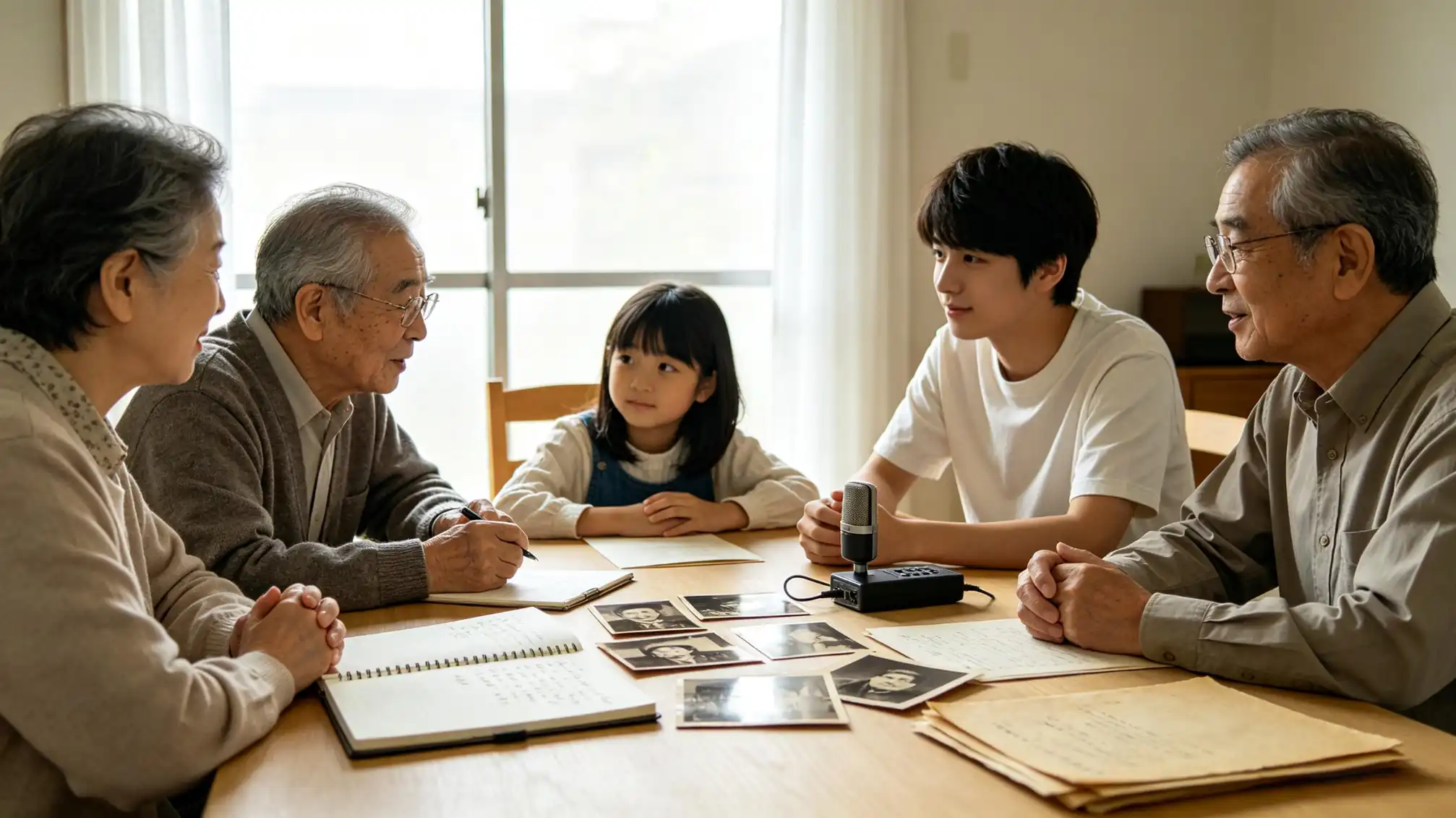
If you’re getting ready to interview a parent or grandparent, start with a plan. You don’t need a long formal list. You need a few great questions, a good recording tool, and the willingness to follow the conversation wherever it goes.
Start With Light, Open-Ended Questions
The first few minutes of a family interview should feel like catching up, not an interrogation. Open-ended questions that begin with “What was it like…” are your best friends because they invite stories instead of one-word answers.
- What was it like growing up in the house you lived in when you were eight?
- Who was your favorite neighbor, and what did you do together?
- What did your family usually do on a rainy Sunday afternoon?
These family history questions help relatives relax and find their rhythm. Once someone starts describing a living room rug or a neighbor’s dog, they’re no longer trying to remember facts; they’re remembering their life.
Go Deeper Into Childhood and School Years
School and childhood are rich territory, especially for grandparents. Many older adults enjoy comparing the past with the present. Ask about friendships, chores, and the simple details of daily life that history books usually leave out.
- What were you expected to do around the house when you were ten?
- Who was your best friend, and what adventures did you have together?
- What did you eat for breakfast before school?
- What was the school building like, and what do you remember about your favorite teacher?
The specific answers are often touching. Maybe your grandmother walked a mile to school in snow, or your grandfather saved pennies for a comic book. Those details become the family stories you’ll pass down.
Ask About the Routines That Made Home Feel Like Home
Every family has rituals, from Sunday dinners to the way holidays were celebrated. Asking about these routines gives you access to the emotional core of your family history.
- What did a normal weekday evening look like in your family?
- What was the best smell coming from the kitchen when you were young?
- How did your parents celebrate holidays? Were they big gatherings or quiet ones?
- What song did someone always sing or play?
These questions often lead to laughter and sometimes tears. That’s good. Emotion is a sign that you’ve touched a memory that truly matters.
Encourage Stories About Their Own Parents
If you’re talking to a grandparent, gently steer the conversation toward their mother and father. This is a wonderful way to learn about the generation before them, and it often reveals surprising connections.
- What did your mother always say when you were worried about something?
- What kind of work did your father do, and how did he talk about it?
- What was the biggest disagreement you ever had with your parents?
- How did your parents meet?
Be ready for pauses. Some memories are complicated. Just sit with the silence and let the storyteller decide how much to share.
Handle Harder Family History Questions With Care
Not all memories are happy. Your relatives may have lived through war, loss, financial hardship, or family estrangement. You don’t have to avoid these topics, but you should approach them with gentleness.
- What was the hardest thing you had to face when you were young?
- Who in your family helped you get through a difficult time?
- What is something about your early life that you wish more people understood?
Notice that these questions don’t push for painful details. They invite reflection. If someone gets uncomfortable, let them change the subject. The goal is connection, not confession.
Turn Answers Into a Keepsake
Once you have these family history questions answered, don’t let the recordings sit forgotten in a voice memo app. Write down the moments that stood out, save the best recordings, and share them with other relatives. If you’re looking for inspiration, visit the family stories section on this site to see how other people have shared their loved ones’ memories.
You could even turn the answers into a small book, a scrapbook, or a video tribute for the next family gathering. The format doesn’t matter. What matters is that the stories are heard, saved, and honored.