The best time to begin a family tree is not when everything is perfect. It is the moment you realize the stories you heard as a child are already starting to blur. A family tree is more than a diagram of names and dates; it is a bridge between generations. If you have never built one, the process may feel like a research project. But with the right approach, it can be as natural as sitting down with a cup of coffee and a photo album.
Start With What You Know
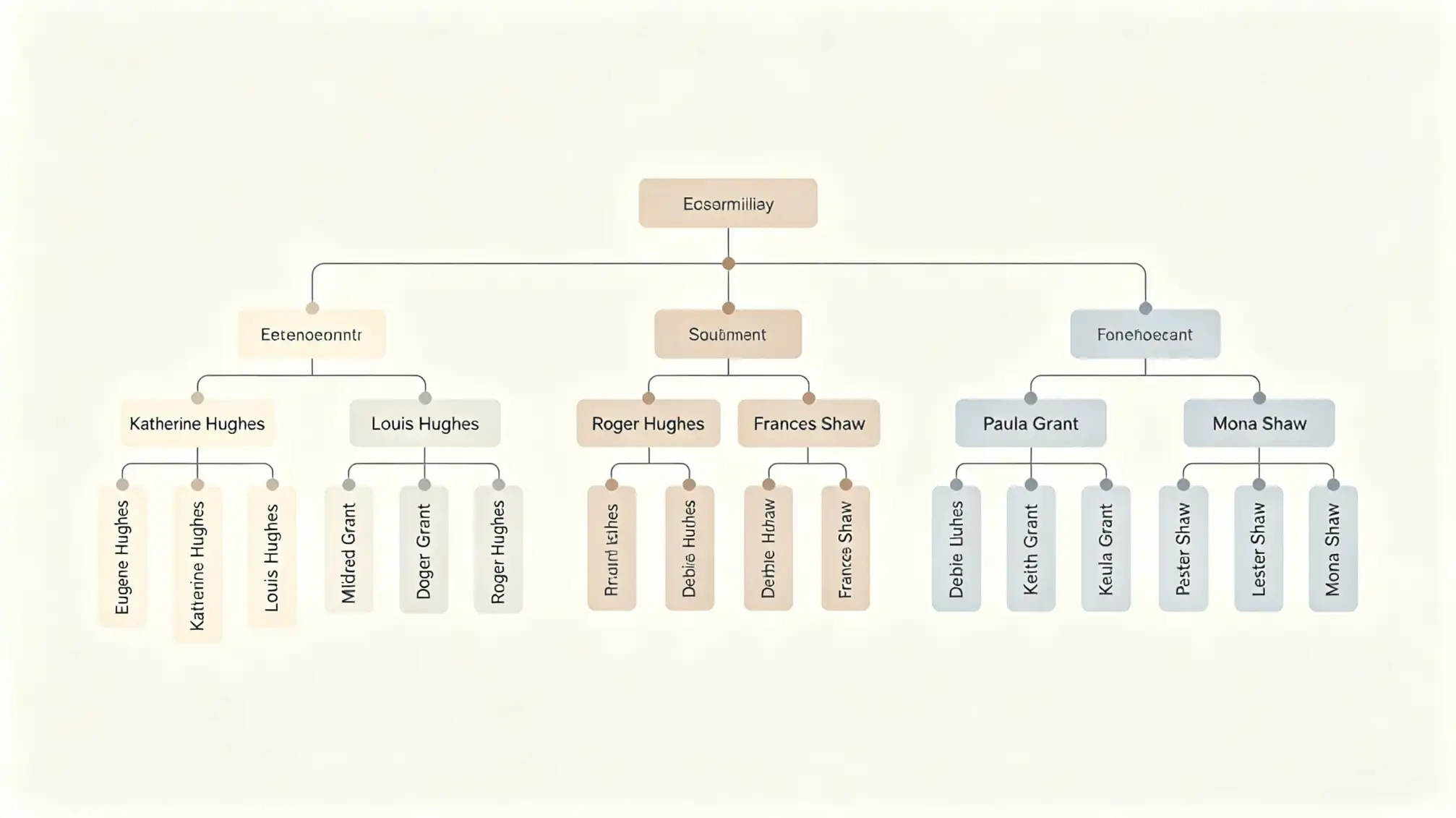
Most beginners assume they need to start with a distant ancestor. In fact, the strongest family trees always begin in the present. Pull out a piece of paper and write your own name, date of birth, and place of birth. Then add your parents, your siblings, and your grandparents. This is not a test of memory; it is a foundation. The four-generation rule is simple: if you can document the past four generations accurately, you have already built a meaningful family tree.
Use a pencil when you write these first names. You will make corrections, and that is a good sign. Every family history is full of surprises: a grandfather who changed his surname, a grandmother whose birth year was recorded differently in two documents. In the early stages, you are not looking for perfection. You are looking for clues.
Talk to Relatives Before the Stories Fade
The people who know the stories are the greatest resource you have. An afternoon with an older relative can be more valuable than hours of online research. Prepare a list of open-ended questions. Ask about their childhood, their parents’ work, family traditions, and the meaning behind names. Record the conversation if they agree, and always begin with a question they will enjoy answering.
Listen for small details, not just names and places. A throwaway comment about a seaside town, a nickname, or a recipe can become the thread that connects two branches of your family tree. After the conversation, write down what you learned immediately. Memory is creative; notes are reliable.
Organize as You Go
As you gather dates and documents, you will quickly feel the need for a system. A simple binder with divided sections can be enough at first. For each relative, keep a separate sheet for notes, stories, and source references. Scan any photographs you are given and store them with names on the back or in file names. If you prefer digital tools, there are many well-designed family tree applications. Choose one that allows you to export your data, so you are never locked into a service.
This is also the moment to learn the difference between primary and secondary sources. A birth certificate is a primary source; a cousin’s memory is secondary. Both are useful, but they do not carry the same weight. Write down where every fact came from, and you will save yourself hours of confusion later.
Verify Before You Climb Too High
Ancestry websites can be tempting, but they are not your first stop. Mistaken family lines and unverified records often lead beginners astray. When you meet a new name, ask: where did this information come from? Compare certificates, obituaries, and family Bibles. Relatives are wonderful storytellers, but memory is not proof. A healthy family tree is built on evidence, not guesses.
You do not need to verify every detail in your first week. Enjoy the mystery. Let a missing record become a reason to call a distant aunt or visit a local library. The process is as much about the people you meet as the facts you confirm.
Bring Your Family Into the Process
As your tree grows, share it. Show a printed chart to your parents and ask them to mark corrections. Send a message to your cousins with a photo you found. A family tree is not a solo achievement; it is a collective memory. On this site, the family section offers a thoughtful space to record and share your family discoveries with the people who matter most. Visiting that page can show you how a shared family album deepens connections while you build your tree.