Every family tree has names, dates, and branches. But a family tree without memories is only a shadow of the people it represents. A person's life story – the memory of their childhood, the decisions they made, the stories they loved – is the heartbeat of family history. For beginners, recording a life story can feel like a big project. It is not. It is simply the act of paying attention while someone shares what it meant to walk the path they walked. No one else can tell that story. Once it is lost, it is gone forever.
Your Family Tree Is Not Finished Until the Stories Are Added
When we set out to explore family history, the first tool we reach for is often a genealogy chart. We add names, dates, and relationships. This is valuable, but incomplete. A tree made only of data becomes another list if it does not include the texture of daily life. What did your ancestors eat, sing, fear, and hope for? A life story supplies that texture. When you add a life story to a family tree, you transform names into characters in a continuing family narrative.
Take a moment to think about someone in your family who has already passed away. What do you know about them beyond the dates? If no one recorded their life story, those memories are now scattered, and maybe gone. Recording a life story is one way we honor both the people we love and the generations we will never meet.
A Life Story Gives Genealogy a Human Voice
You can spend weeks in archives, gathering birth certificates and census records. Those records tell the official history of a family. But official history rarely captures personality. It does not tell you that your great-grandmother hummed while cooking, or that your grandfather walked three miles to work every morning for forty years. Those details are the real family history. They are passed down in a life story, not in a ledger.
When you record a person's life story, you preserve not just facts but tone, humor, and emotion. A recording lets future generations hear how your relative laughed, where they paused, and which memories made them soft. This is something a genealogy website cannot give you. It is also why the stories of ordinary people are so powerful: they carry a unique voice that cannot be copied.
Start With the Beginning
A life story does not begin with a résumé. It begins with the circumstances of birth – the season, the house, the people waiting outside. You can start there without pressure. If you are nervous about asking for memories, use a single moment as your point of entry.
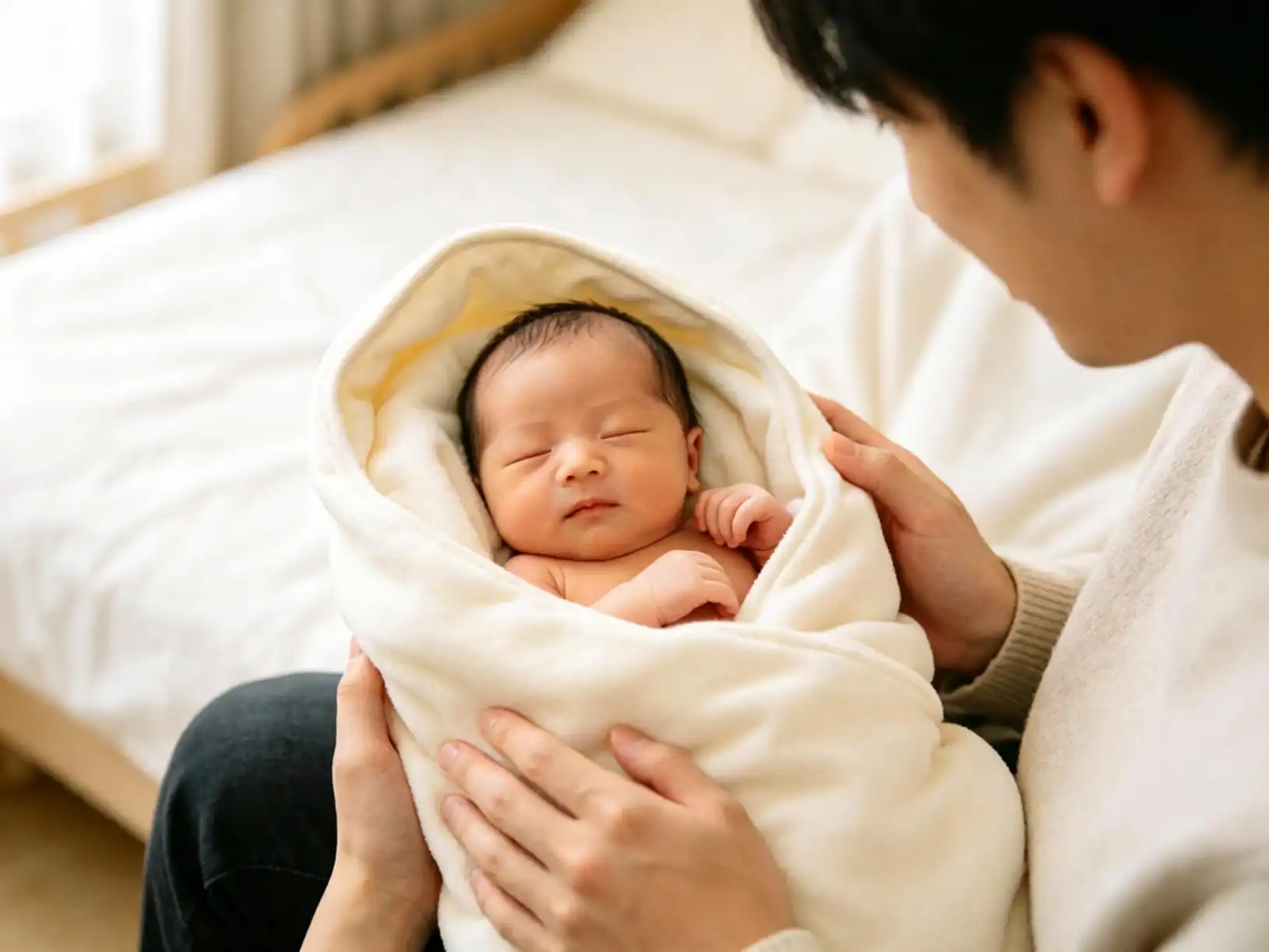
Once you are comfortable with the beginning, you can move forward through childhood, school, work, and parenthood. Let the conversation flow like a river rather than a questionnaire. The goal is not to collect every date; the goal is to invite the person to tell the story only they can tell.
How to Record a Life Story Without Overwhelming
Beginners often worry about technique. You do not need a studio microphone or a documentary budget. A phone with a voice memo app is enough. The important thing is to record the story in the person's own voice and words. Their language, humour, and pauses are part of the story. Later, you can transcribe, edit, and share the recording.
Choose a familiar setting
Record in a place where the person feels safe. This might be their living room, a kitchen table, or a quiet garden. Familiar surroundings make memories more accessible. When people are relaxed, they remember more deeply.
Ask open questions
Instead of 'Did you like school?' try 'What was your favourite thing about school?' Open questions invite long answers. They often lead to unexpected stories. Follow what seems important to the speaker, even if it is not on your list.
Let silence do the heavy lifting
When a pause appears, resist the urge to fill it. Silence gives the person room to find the next memory. A patient listener is the best recorder. The space between sentences often holds more weight than the words around it.
Bringing the Life Story Into Your Family History
Once you have recorded a life story, weave it into your family history materials. You might add a section to a family tree, create a digital archive, or organise the story by theme. If you have a dedicated family page, you can use it as a shared space where relatives can read the stories and add their own memories. This turns a private recording into a collaborative family project.
When you connect personal stories to genealogy, you also help future researchers. A life story often contains clues about relationships, locations, and family traditions that are not written anywhere else. Your family history becomes richer and more accurate because you took the time to listen. Small details, like the name of a beloved pet or the nickname a sibling used, may unlock conversations that records cannot start.
Small Stories Create Deep Roots
As you grow more comfortable with recording, you will notice that memories often travel in themes. Some people remember food. Others remember music, holidays, or the exact way sunlight entered a room. Do not steer the conversation too aggressively. Trust the speaker's natural path. A single story about a childhood recipe can reveal more about your ancestors than a long list of occupations.
These layers matter. When a young relative hears a life story, they begin to see themselves as part of something larger. They stop asking only about names on a family tree and start asking about values, choices, and dreams. That connection is what carries family history into the future. It is also what makes genealogy feel personal.
Your Family Deserves the Full Picture
There is something deeply respectful about sitting down with another person and saying, 'Your life matters to me.' That simple gesture is why a life story is such a precious gift. The recording preserves not only facts but a voice, a laugh, and a way of seeing the world. Decades from now, someone in your family will hear that voice and feel connected to an ancestor they never met. That is not just archival. That is love.