Genealogy Basics: Start Your Family History Journey with Confidence
If you have ever wondered about the people who came before you, you are already on the edge of a rewarding adventure. Genealogy is more than collecting names and dates; it is about understanding the lives, struggles, and joys of your family. For newcomers, the key is not to rush into databases and documents too quickly. Instead, start with what you know, engage your relatives, and let curiosity guide you. This article shares a fresh angle on genealogy basics for anyone beginning their family history journey.
What Genealogy Really Means
At its core, genealogy is the study of family origins. It is the practice of mapping relationships and connecting generations through evidence and memory. While a family tree is a common visual representation, the true value lies in the stories behind each branch. Think of genealogy as storytelling with a built-in fact-checker. Every birth, marriage, and migration pattern opens a window into a different era, revealing how your ancestors adapted, survived, and thrived.
Begin with What You Already Know
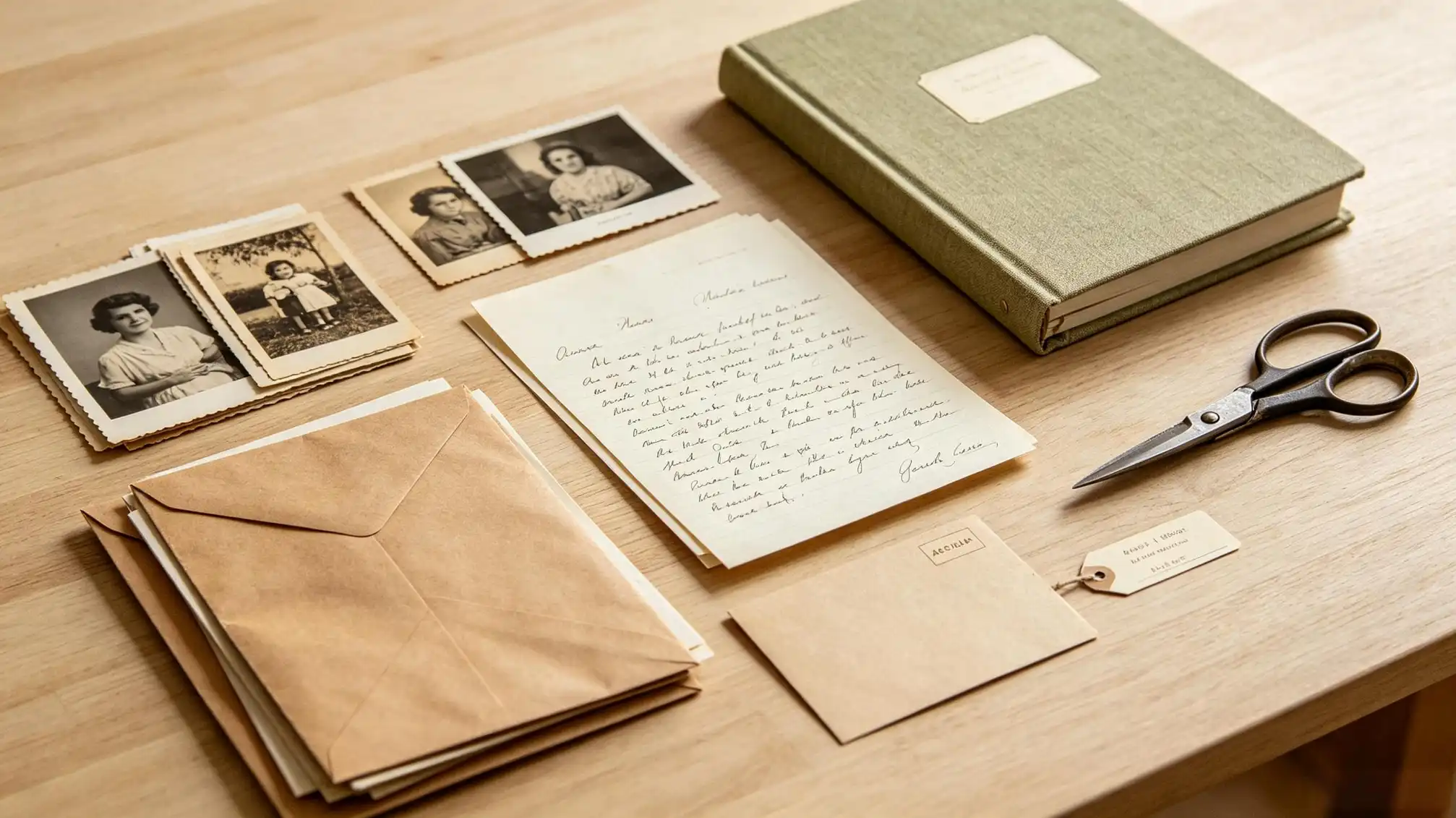
Many beginners think they need to start with complicated archives. The opposite is true. The best starting point is your own memory. Pull out old photograph albums, letters, and keepsakes. Write down your parents’ and grandparents’ names, birth dates, and places. Jot down any interesting details: a grandfather who played the violin, a grandmother who crossed the ocean as a child, or a family recipe that has been passed down for generations. These fragments become the seeds of your family history research.
Building Your Family Tree Step by Step
Once you have gathered your starting information, it is time to create your first family tree. You can use paper charts, spreadsheets, or online genealogy platforms. Start with yourself and work backward: your parents, grandparents, and great-grandparents. For each person, record:
- Full name and any nicknames
- Dates of birth, marriage, and death
- Places connected to those events
- Family relationships and siblings
Do not worry if your tree feels incomplete. Gaps are normal and actually helpful — they show you exactly which ancestors to focus on next.
Connecting with Ancestors Through Family Stories
Your relatives are living archives. A chat with an elderly aunt or a cousin who remembers the old family home can unlock details no database ever will. Ask open-ended questions: What was your childhood like? How did Grandma and Grandpa meet? What traditions did you celebrate? These conversations may expose family folklore, migration routes, or unexpected occupations. Record these conversations with permission; you will treasure them later.
As you gather stories and photos, consider preserving them in a place where your family can add their own memories. One useful action reference is Family Love Stories, where you can create a memorable space for your family narrative and shared photos.
Using Records to Fill Gaps
Once your family tree has a solid foundation, you can move into official records. Name the ancestors you want to verify and then explore census records, birth and death certificates, marriage licenses, military records, and immigration papers. Online databases and local archives are excellent resources, but remember to evaluate each piece of evidence carefully. Ask yourself: Is this the right person? Could the record contain a spelling error? Corroborating a fact with a second source is always a good practice.
Family History Is More Than a Hobby
Genealogy changes how you see yourself. Learning about ancestors who overcame great hardship can inspire resilience. Discovering a distant relative who shared your creative passion can feel like a quiet conversation across time. As you progress, you may also encounter sensitive or painful histories. Approach those moments with humility and care. Your job is not to judge but to understand and preserve, so future generations have a clear and compassionate record.
Make It a Family Tradition
You do not have to pursue this journey alone. Involve siblings, children, or cousins. Assign small tasks: one person collects family photos, another interviews grandparents, someone else maps locations on a digital map. Sharing the work makes genealogy more fun and keeps the momentum going. Consider creating a simple annual ritual, like gathering around a family tree on a holiday to record new memories and correct old details.