Start With the Base of Your Tree
When you set out to learn how to build a family tree, the easiest place to begin is with the people you already know. Parents and grandparents are the natural foundation of any family chart, not only because they are your closest relatives, but because they hold memories that can bring names to life. Instead of jumping straight into distant ancestors, build a solid trunk with the generations you can personally connect to.
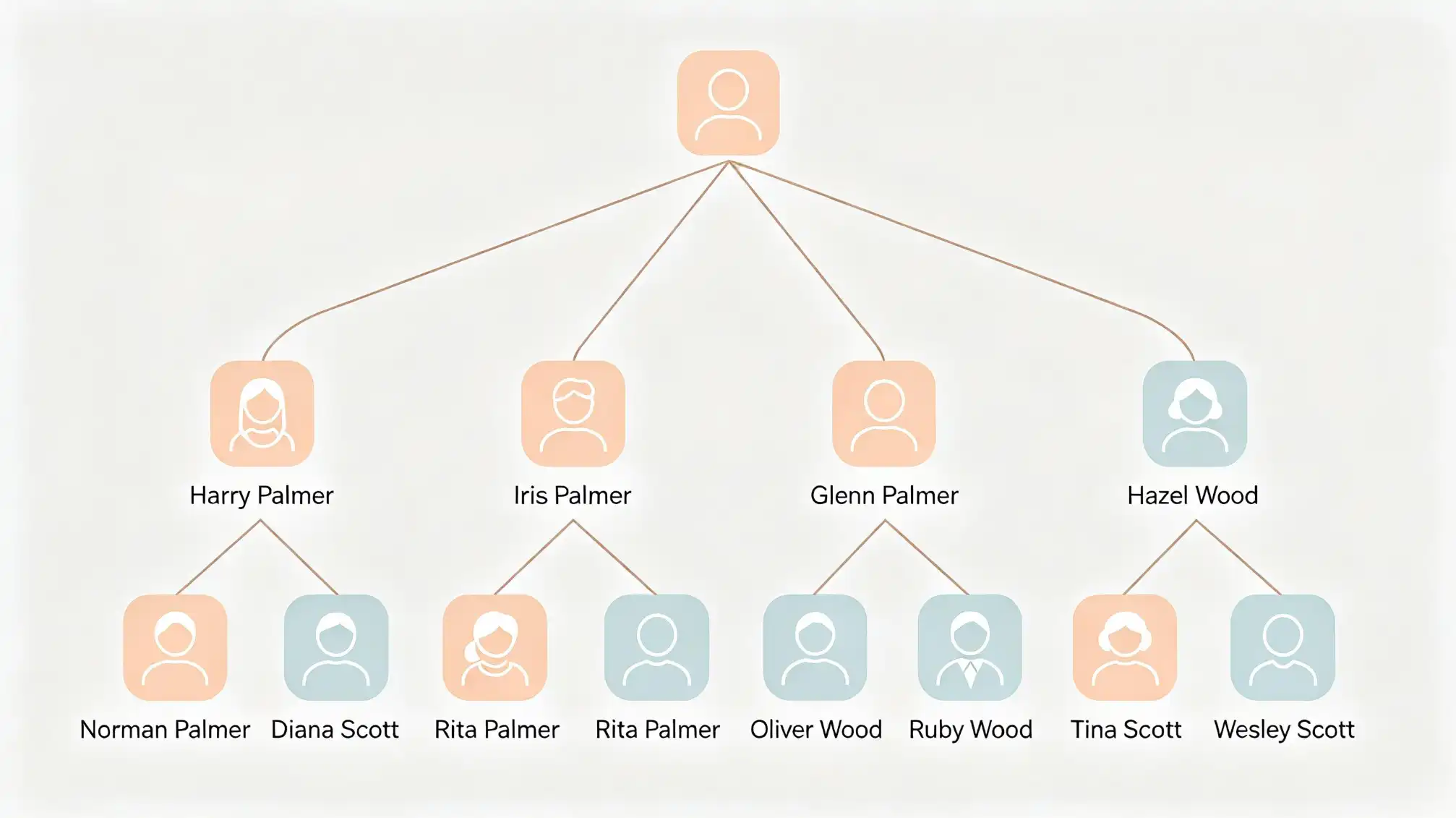
Begin by writing down your own birth date and birthplace, then add your parents, and then their parents. This gives you an instant three-generation family tree. You will be surprised how much information you already carry in your memory. Fill in what you know, even if some spaces are empty, and then use a simple question mark for the blanks. The goal is to create a map of questions that will guide your research.
Gather the First Details Before You Ask Anyone Else
Once you have the basic outline, gather small details that are easy to overlook. Look for birth certificates, marriage licenses, old address books, and family Bibles. These documents often contain full names, maiden names, and dates that relatives mention only in passing. Write down occupations, cities, and any military service you notice. Those details help you distinguish between people who share the same name and open windows into your ancestors' everyday lives.
At this stage, your family tree is still private and rough. That is exactly what it should be. The goal is to collect enough factual markers so that when you talk to relatives, you can ask specific questions instead of vague ones.
Turn Relatives Into Your Best Sources
Your parents and grandparents are not just entries on a chart; they are living archives. Interview them with an open mind and a notebook or voice recorder. Ask about their childhood homes, their grandparents' names, family sayings, and holiday traditions. These stories give texture to dates and places, and they often reveal connections you would never find in official records.
A useful technique is to ask older relatives to name every sibling, aunt, uncle, and cousin they remember. Then draw a quick sketch of those relationships as they speak. You will often uncover branches of your family that were never mentioned at the dinner table. When you visit the family section at FamilyLove.Love, you can use that space to store shared memories and coordinate with relatives who want to contribute their own pieces of the puzzle.
Choose a Format That Fits Your Family
There is no single right way to design a family tree. Some people prefer a large poster with hand-drawn branches; others like spreadsheets with color-coded lines. The format should match how you plan to use the tree. If you want to hang it on a wall, a simple three-generation chart may be enough. If you want to keep adding ancestors over many years, choose a digital tool or a folder system where you can update information easily.
For most beginners, a hybrid approach works best. Keep a visual one-page tree with just your parents and grandparents, and store a separate list of notes, sources, and stories. This prevents you from squeezing too much information into one drawing. You can always merge everything later or create a larger printed version once you feel confident about the structure.
Bring In Official Records and Verify Facts
As your family tree grows, you will want to confirm what your relatives told you. Search for birth, marriage, and death records for your grandparents and great-grandparents. Census records, immigration lists, and old newspaper notices can also help. When you find a document, add a note about where it came from. That habit makes your family tree trustworthy and helps other relatives follow your research path.
Remember that family stories sometimes have small errors. A town may be spelled differently, or a birth year may be off by a few months. Treat every piece of information as a clue rather than a final answer. The more sources you compare, the clearer your ancestors become.
Expand From Grandparents to Great-Grandparents
Once your first three generations feel steady, you can move upward to great-grandparents and beyond. Use the same method: start with what you know, ask relatives, then look for records. Avoid the temptation to chase every branch at once. Work on one surname or one family line at a time, and mark which branches still need more research.
This is also the moment when you can add historical context. Where did your ancestors live? What major events shaped their lives? Adding a date of immigration or a note about a family business makes your family tree feel like a story, not just a list of names.
Share the Finished Branches and Keep Growing
A family tree that stays locked in a drawer rarely grows. Share your early draft with parents, grandparents, and other relatives. Ask them to correct mistakes and add missing names. Sometimes one small piece of information, like a maiden name or a hometown, breaks open an entire new branch.
You can also use printed copies as conversation starters at family gatherings. Older relatives often feel more comfortable adding details to a paper chart than answering formal questions. Bring a few copies with blank spaces so they can write directly on the page.