Most family trees begin with names, dates, and places. You might know that your great-grandmother was born in a small village, or that your grandfather served in the military. But a family tree only shows the skeleton of a family. It tells you where people lived and when, but it rarely tells you who they were. A life story changes that. When you take the time to record a person's life story, you breathe life into the branches of your family tree, turning distant names into real people with hopes, fears, and quiet victories.
A Life Story Turns Dates into Relationships
Genealogy often focuses on facts: birth certificates, marriage licenses, census records. These documents are valuable, but they only offer a snapshot. A life story reveals the emotions behind those documents. It explains why a family moved to a new country, how a couple met during difficult times, or what it felt like to grow up on a farm that has been in the family for generations. Without that narrative, your family history remains a list of events. With it, you begin to understand the choices that shaped your ancestors and the values that were passed down to you.
When you record a life story, you also give the next generation a richer version of their own identity. Children who hear stories about their grandparents often feel more connected to their family heritage. They realize that they are part of a longer story, one that includes struggle and resilience as well as joy. That sense of continuity is something no database or online archive can fully provide.
Your Ancestors Were More Than Census Records
It is easy to forget that every name on a family tree was once a living, breathing person. They had favorite foods, secret dreams, and moments of embarrassment. They laughed at jokes, cried at funerals, and worried about the future just as we do. Recording a life story is the most direct way to honor that humanity. It goes beyond genealogy by collecting the small details that official records omit.
For example, you might discover that your great-uncle wrote poetry in his spare time, or that your grandmother was known for her stubbornness and her famous apple pie. These details do not show up in a family tree, but they are the essence of a person. When you preserve a life story, you are creating a portrait of your ancestor that is far more accurate and loving than a row of dates. That is why so many family historians now say that a life story is the missing piece in their research.
How to Begin Without Feeling Overwhelmed
If you are new to this idea, you might be wondering where to start. The good news is that you do not need professional equipment or a background in history. You only need a willing listener and a few open-ended questions. Begin with the person whose story you want to record, whether that is a parent, grandparent, aunt, or uncle. Choose a comfortable setting, perhaps over a cup of tea, and let the conversation flow naturally. You can use your phone to record the audio or take notes if that feels less intrusive.
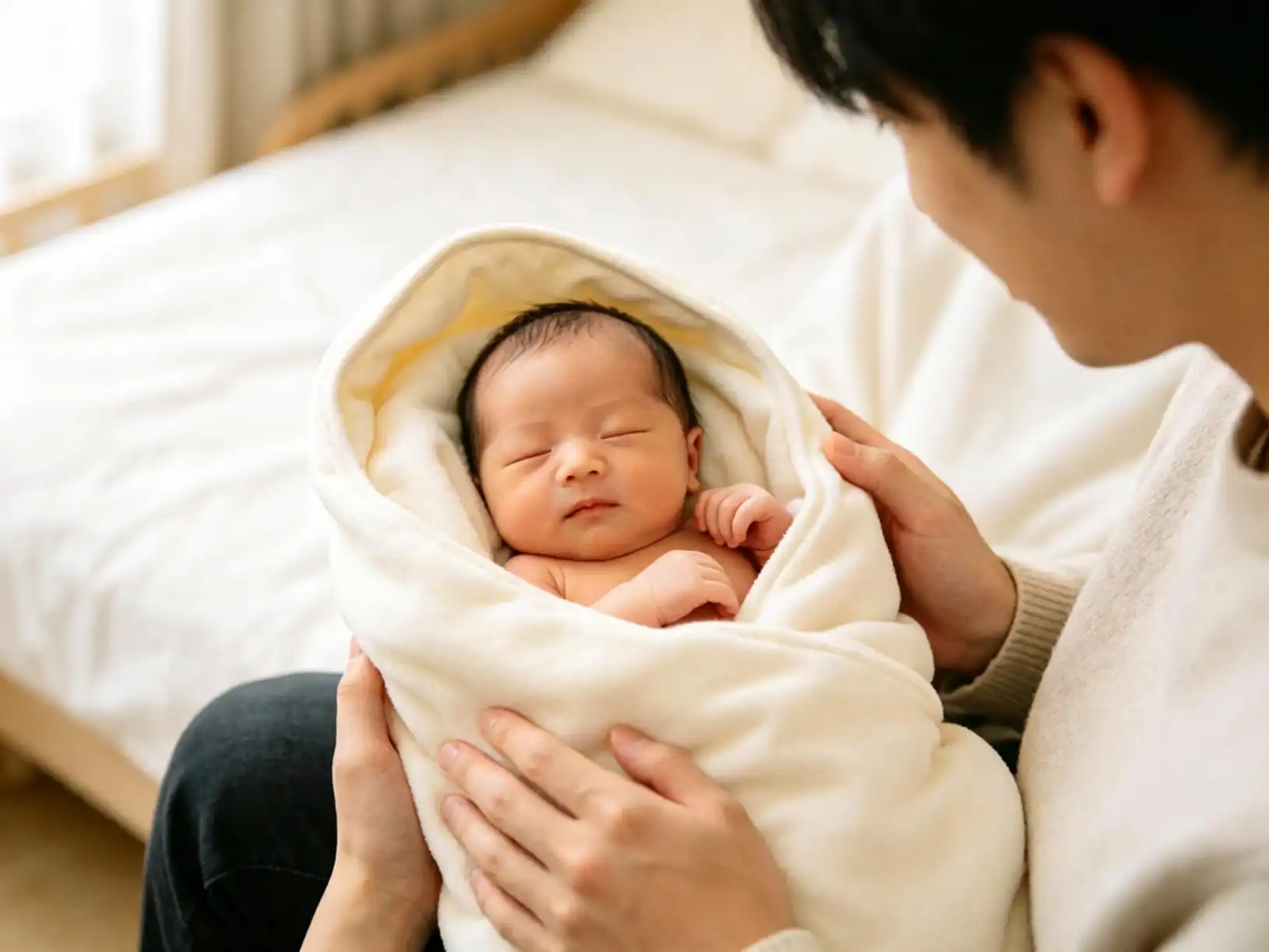
Start with the early years. Ask about their childhood home, their parents, and the games they played. Move on to school, friendships, and the first time they fell in love. These questions sound simple, but they often unlock rich memories. As you listen, you will notice that some stories have been told many times, while others might be new even to the person telling them. That is part of the beauty of recording a life story: it gives people permission to reflect on their own past.
What to Ask When Recording a Life Story
If you need a few prompts, consider these categories:
- Early life: What is your earliest memory? What were your parents like? What was your favorite place at home?
- Coming of age: What did you want to be when you grew up? Who influenced you the most?
- Adulthood and career: How did you choose your path? What lessons did work teach you?
- Family and relationships: How did you meet your partner? What traditions did you pass on?
- Reflection: What are you most proud of? What advice would you give to younger generations?
You do not need to ask every question in one sitting. A life story is built over time. Short conversations often work best because they feel less like an interview and more like a natural visit. As you gather these memories, you may also find it helpful to think about your family as a network of relationships. If that idea speaks to you, take a look at the family section of FamilyLove to explore how those connections shape everyday life.
The Ripple Effect of Sharing a Life Story
Once you have recorded a life story, do not let it sit in a drawer. Share it. Send a transcript to relatives, create a digital scrapbook, or read a favorite memory aloud at the next family gathering. When a life story is shared, it becomes part of the collective family story. It gives younger relatives a way to know the people they may have only met briefly, and it helps them see that their own lives are linked to something larger.
Recording a life story also benefits the person being interviewed. Many older adults find the process deeply meaningful because it affirms that their experiences matter. It can strengthen your relationship with them in ways you did not expect. You are not just collecting information for genealogy; you are offering attention and respect. That simple act can be more valuable than any document you will ever find online.
If you are just beginning, remember that perfection is not the goal. You may fumble with the recording device or forget to ask a planned question. That is okay. The story does not need to be polished. It just needs to be real. The most memorable moments in a life story are often the imperfect ones: the unplanned laugh, the long pause, the quiet admission. Those are the moments that make your family history feel alive.