Family History: Why a Life Story Becomes a Lasting Gift
When someone asks about family history, many of us first think of old photographs, birth dates, or a half-finished family tree. While those details are important, they only make sense when we know the person behind them. A life story turns genealogy into something human: it shows how your ancestors made choices, faced hardships, and contributed to the family you know today. For beginners, the idea of recording a life story can feel large. This article explains why it matters, and how to begin without being overwhelmed.
Family History Is More Than Names on a Chart
Genealogy gives us the skeleton of our family: names, places, dates. A life story adds the muscle and breath. When you preserve a person’s story, you capture why a great-grandparent moved to another city, how a grandmother learned to cook, or what kind of humor ran through the family. These details are not mere trivia. They shape identity, values, and even resilience. A child who knows that an ancestor overcame loss is more likely to feel capable in their own struggles.
Because family history often skips from generation to generation, daily memories can disappear within a lifetime. If no one writes them down, casual stories told on holidays may be forgotten. That is why collecting stories is not just a sentimental activity; it is one of the most practical ways to keep your family line aware and alive.
How Recording a Life Story Changes the Way We See Ancestors
When you begin listening to a relative’s life story, you stop seeing them as a fixed figure from the past. You start seeing them as someone who was once young, confused, ambitious, and joyful. This shift is especially powerful in family history because it reduces judgment and increases empathy.
For example, a grandparent who seemed strict may reveal that they grew up during a time of scarcity. Another relative's quiet nature might be understood through the loss they carried. By preserving these personal memories, you create a family tree that is emotionally accurate, rather than just a set of facts. This also offers later generations a clearer map of patterns and strengths to embrace or avoid.
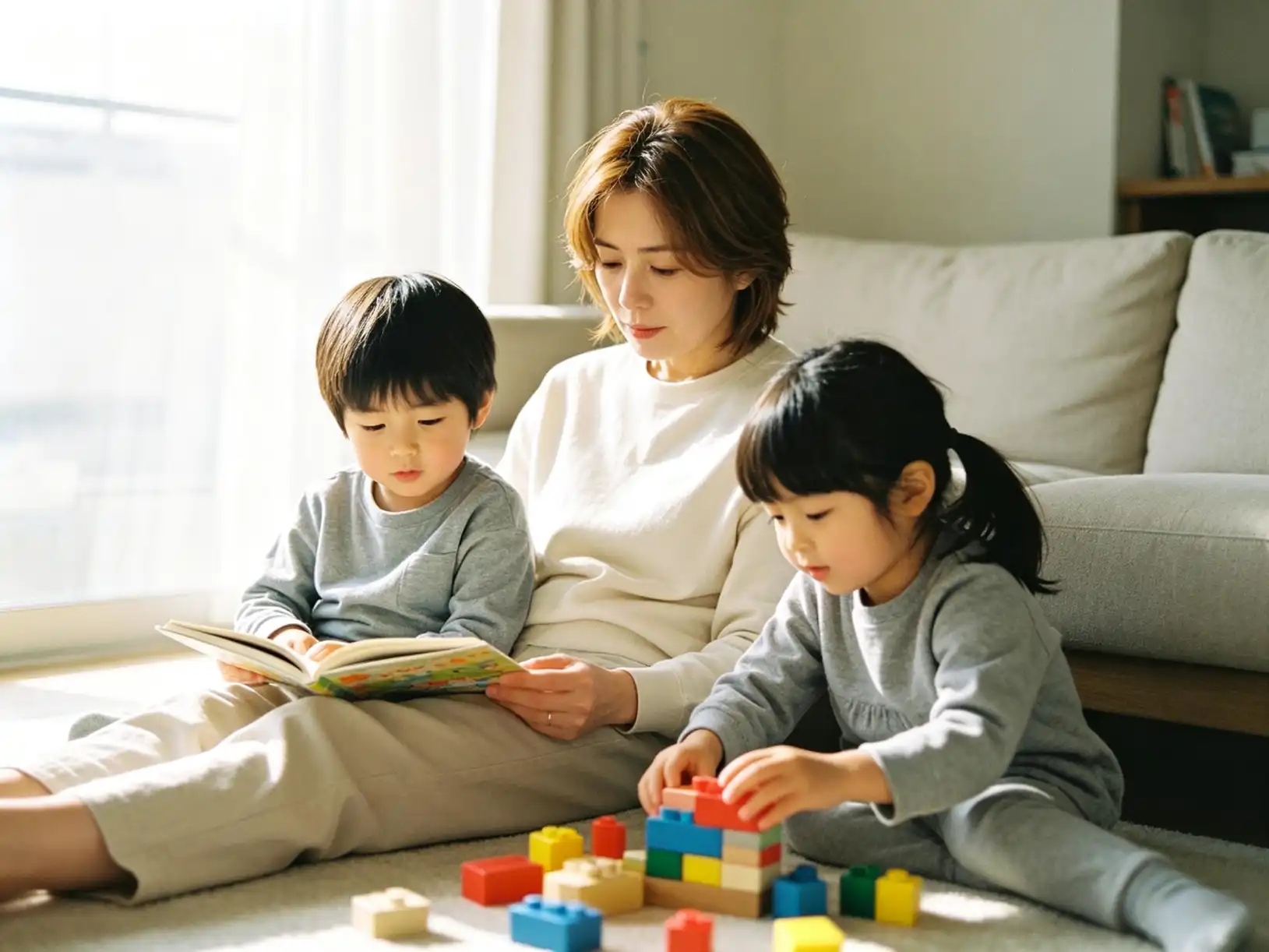
Building a Living Family Tree Through Stories
A family tree is often the first step for beginners. It is easy to draw, use online templates, or create a shareable document. But a tree only becomes meaningful when each branch has a story attached. You can build your project gradually: start with your parents, then grandparents, and then move outward. Your goal is not to become a professional genealogist. Instead, you want to collect enough lived experience to make your ancestors feel real.
When interviewing relatives, ask open questions. What did you love most about your childhood? What was your first job? What lesson has stayed with you through life? These questions invite narratives, not one-word answers. Keep a notebook or voice recorder. Even a short five-minute conversation can reveal valuable details for your family history.
The Emotional and Practical Value of a Written Life Story
There is a reason why many families keep letters and audio diaries: stories carry emotion in a way a date cannot. When you write or record a life story, you give future generations access to the voice of their ancestors. This is especially important for children who will never meet their grandparents. Through your work, they can still feel close to them.
On a practical level, preserving life stories helps with identity formation. Adopted children, blended families, and people researching their roots often search for clues about themselves. A well-preserved family history can answer questions that no database can. It also provides a foundation for future genealogical research: once you know the context around an ancestor’s life, it becomes easier to locate records, understand migrations, and connect with distant relatives.
In this way, preserving a life story is not a luxury for family “archivists.” It is a deeply human way to say, “You mattered, and your experiences are still shaping our family today.”
Where to Begin with Family History
Starting is simpler than you may think. You do not need a complete timeline or professional tools. Begin with the person you feel most curious about. Ask if you can interview them, and let them guide the conversation. If they have already passed, start with a piece of them: a letter, a recipe, or a photograph. Let that object anchor your memory of their voice.
For beginners, a trusted collection of prompts and ideas can make the process easier. You can explore the family history guides at FamilyLove to find step-by-step suggestions for interviews, memory prompts, and ways to keep your project organized. That kind of guidance can help you turn a good intention into a completed story.