Starting your genealogy journey can feel like opening a door to a thousand questions. Who were your ancestors? Where did they live? What shaped their choices? Genealogy is more than a collection of names and dates; it is the art of reconstructing lives and relationships from the fragments they left behind. For beginners, the process is surprisingly welcoming when you break it into manageable pieces. The best part is that you do not need to be a historian or a tech expert to begin. With curiosity, a notebook, and a willingness to listen, you can start building a family history that will last for generations.
Why Genealogy Matters More Than Names and Dates
Many new researchers assume that genealogy is simply about compiling a family tree. But the real reward comes when you understand the context behind each entry. A birth year is just a number until you learn that your great-grandmother was born during a harvest season in a small farming town. A migration date gains meaning when you discover why the family moved. Embrace genealogy as a way to uncover the human story behind the facts. This mindset will keep you curious and motivated when records are hard to find. It also helps you ask better questions: instead of asking 'Who was my great-grandfather?' you begin to ask 'What did his daily life look like?' That shift in perspective turns a list of dates into a living narrative.
Start with What You Already Know
The most underrated tool in genealogy is your own memory. Before diving into online databases, write down everything you know about your parents, grandparents, and great-grandparents. Include full names, approximate dates, places, and any family sayings or traditions. This initial list becomes your roadmap. Then, fill in the gaps by asking relatives. You will be surprised how much they remember once you start asking specific questions.
When you interview relatives, prepare a list of questions beforehand. Ask about family traditions, favorite recipes, and the homes they remember. Do not worry if the conversation goes off on tangents; those detours often reveal the most colorful details. Use a simple notebook or a digital document. The goal is not perfection; it is to capture the raw material you will later verify. As you gather these clues, you will notice patterns and missing links that tell you exactly where to focus your research.
Build a Simple Research Plan
Genealogy can be overwhelming because there are so many possible directions. Focus your energy by choosing a single ancestor or family line to trace first. Start with a generation you know well and work backward one step at a time. Write down your goal, such as 'Find the marriage record of my grandparents.' Then list the records that are most likely to answer that question. This approach turns a huge project into a series of small, achievable tasks.
Organize Your Family Tree as You Go
One of the biggest mistakes beginners make is gathering hundreds of names before organizing them. Genealogy requires structure. Choose a system that works for you, whether it is a dedicated software program, a spreadsheet, or a paper chart. The key is consistency. Record names in the same format, use the same place names, and add sources for every fact.
For visual thinkers, a wall chart or a simple poster can help you see the shape of your family tree. For those who prefer digital tools, many genealogy websites offer free tree builders. The important thing is not the tool itself, but the habit of writing down every detail as soon as you find it. A fleeting clue can vanish if it is not recorded. A good family tree shows not only who your ancestors are but also how they connect. As you build, remember that the tree is a working document. You will revise it many times as new evidence emerges. Keep it flexible, and do not be afraid to correct errors.
Turn to Records and Repositories
Once you have a basic framework, it is time to look for official records. Birth, marriage, and death certificates are the backbone of genealogy. Census records, immigration lists, and military files add layers of detail. Start with the government archives and libraries that cover the places where your family lived.
Many of these records are digitized and searchable, but not everything is online. Some of the most valuable documents still live in local courthouses, churches, and historical societies. When you cannot travel, reach out to local researchers or genealogical societies. They often answer requests from distant relatives. When you search online, begin with broad searches and then narrow your results. Try different spellings of surnames, and remember that place names also changed over time. If you cannot find a record, look for the same person in the records of a neighboring county or town.
Interview Relatives and Preserve Their Stories
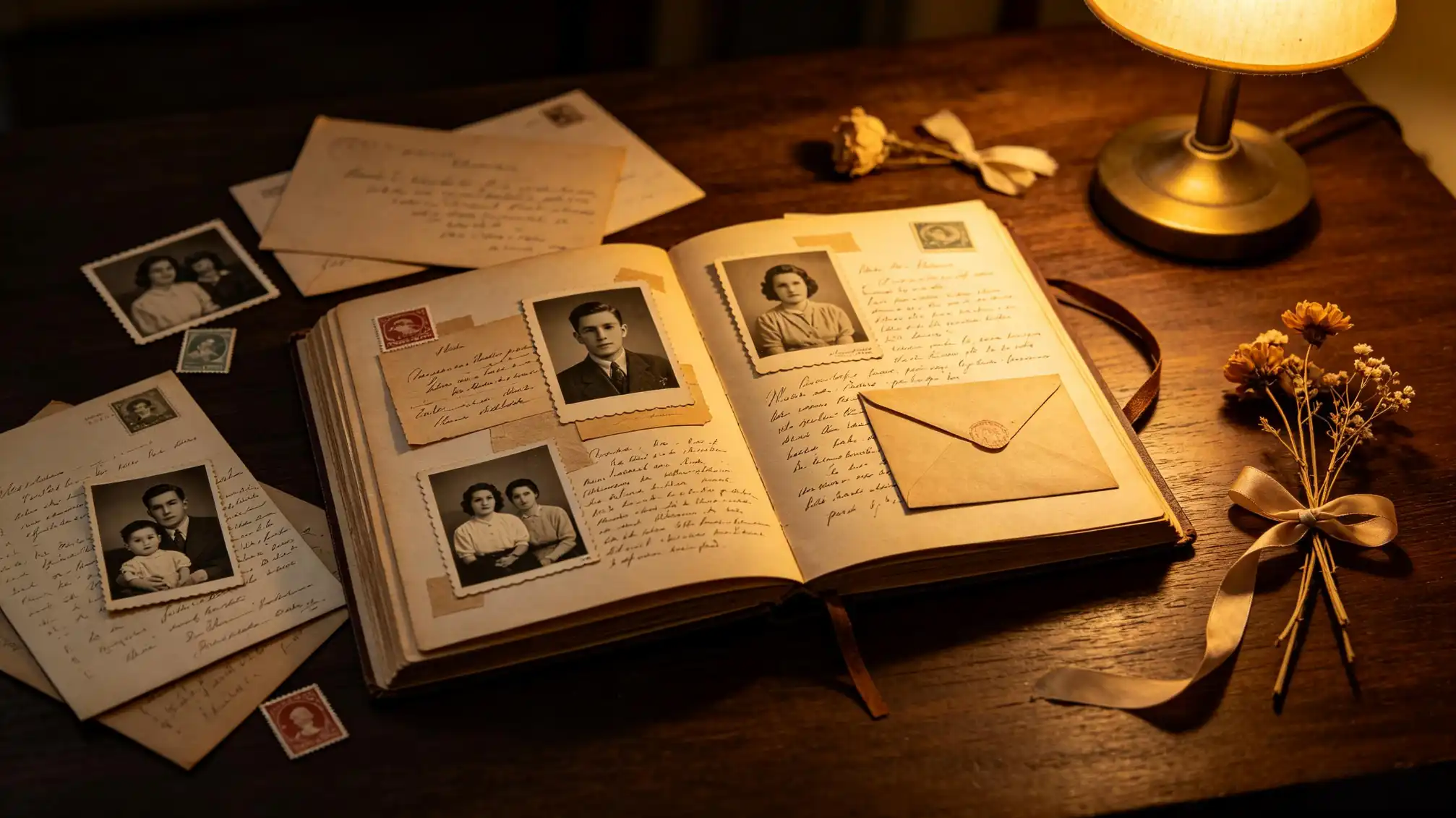
No record can replace the living memory of your relatives. An interview with an aunt or grandparent can unlock details that no archive will ever hold. Ask open-ended questions about their childhood, their parents, and the places they lived. Let them tell stories without interrupting. Record the conversation if they agree, and take notes as a backup.
When the interview is over, thank your relative and ask if they have any old photographs or documents you could copy. These tangible items are invaluable to your research. Scan them at high resolution and store the files in a safe place, then return the originals with care. Storytelling is where genealogy becomes family history. When you weave facts together with personal memories, you create a legacy that future generations can treasure. For inspiration, see how other families capture their own histories at FamilyLove Stories.
Avoid Common Beginner Pitfalls
Beginner genealogists often fall into the same traps. One is accepting an online family tree without evidence. Another is confusing two people with the same name. You can avoid these problems by always asking for the source of a fact and by paying attention to dates and locations that are outside the expected range. A little skepticism goes a long way in genealogy.
Verify and Document Every Clue
Genealogy is a discipline of evidence. A family legend might give you a strong lead, but you need to confirm it with reliable sources. Compare documents, check for spelling variations, and look for clues that tie a record to the right person. Keep a research log so you can remember where you searched and what you found.
One of the easiest ways to stay organized is to create a research log for each ancestor. In it, note the date you searched, the collection you used, and the results you found. This simple habit saves hours of rework and gives you confidence when you share your findings. Source citation is not just for professional genealogists. Noting where you got a piece of information helps you avoid repeated work and makes it easier to revisit your conclusions later. It also builds trust: when you share your family tree with others, they will know your work is solid.
As you move forward, remember that genealogy is a journey, not a race. Some branches will take years to trace. Others will reveal surprising connections that make all the effort worthwhile.