How an Online Family Tree Turns Scattered Family History into a Clear, Shared Record
Genealogy used to mean boxes of documents, handwritten notes, and awkward phone calls with distant relatives. An online family tree changes that. Instead of scattering facts across files and folders, you build one living record that grows with every new discovery. For anyone comparing digital family tree tools, the real question is not whether to use one, but which features will make your family history easier to manage and share.
Everything in One Searchable Place
The first benefit you notice is simply the convenience. A digital family tree keeps names, dates, places, and relationships in a single structured view. You can search for a great-grandparent in seconds instead of flipping through old binders. Records that were once trapped in a shoebox become searchable data you can revisit from any device.
When you work with an online family tree, you also reduce the risk of losing decades of research. Cloud storage means your tree survives computer failures, moves, and even memory loss. For family historians who have spent years collecting census records and birth certificates, that security is reason enough to switch.
Real-Time Collaboration with Relatives
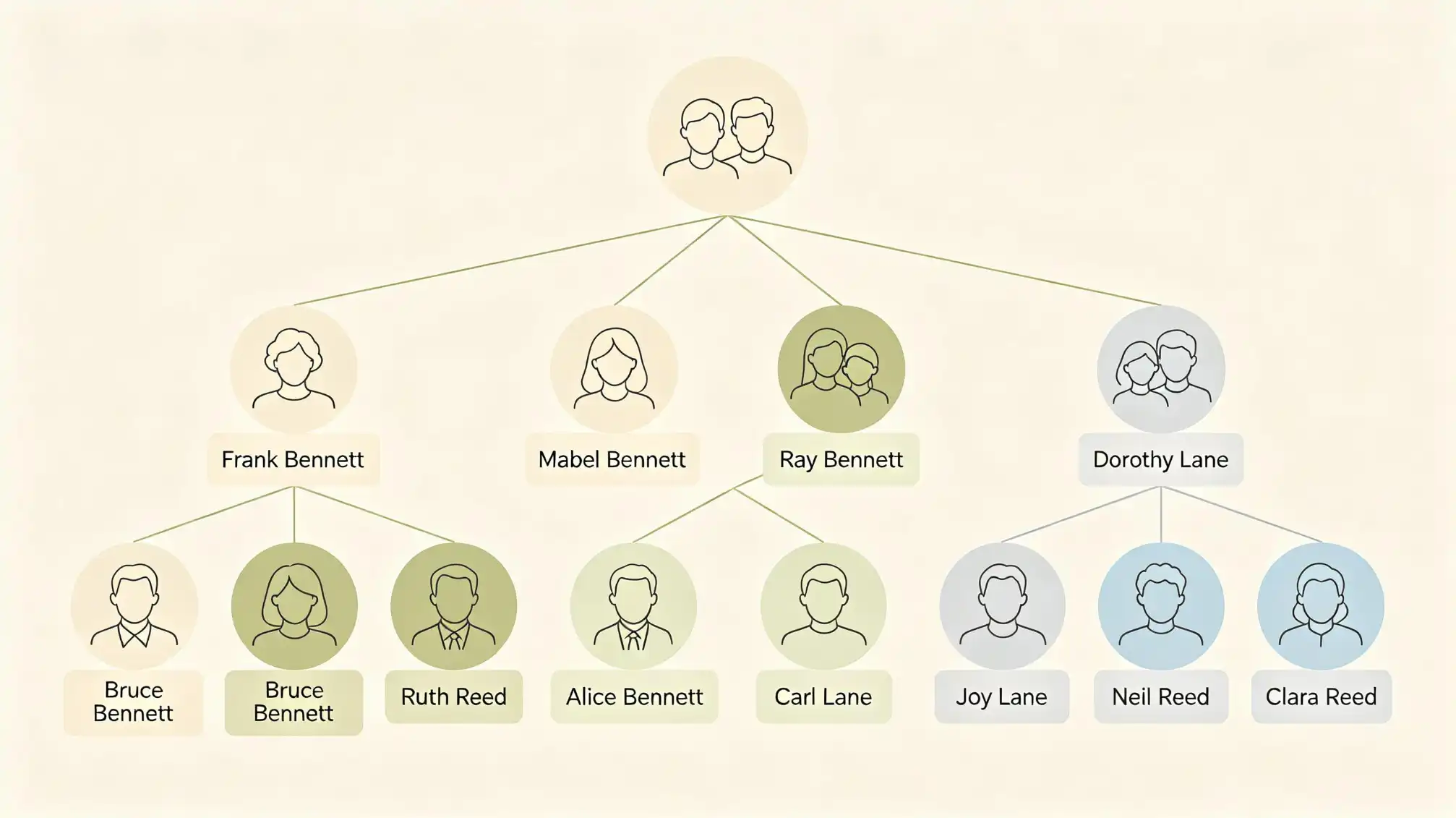
Family history is rarely a solo project. The best discoveries often come from an aunt who remembers a maiden name or a cousin who found an old passenger list. An online family tree makes this collaboration effortless. Family members can view the same tree, leave comments, and add sources without stepping on each other's work.
You can even assign trusted roles, so only certain relatives can edit sensitive details. This keeps the tree accurate while still allowing everyone to contribute. If you are working with a wider circle, you can share progress on your personal family page and invite relatives to help fill gaps. A quick visit to FamilyLove Family is a practical way to see how shared spaces and updates come together in one place.
Easier Source Tracking and Citations
One of the most overlooked benefits of an online family tree is how it handles evidence. Good genealogy depends on knowing where a fact came from. Digital tools make it easy to attach a source to each event, whether it is a census image, a marriage certificate, or a newspaper clipping. You can keep the citation with the person, not in a separate file that never gets opened.
When comparing tools, look for one that lets you organize sources by event and keeps the original record attached. This turns your family tree into a transparent research log. You can revisit evidence later and understand exactly how you reached a conclusion. That clarity is invaluable if you intend to share your family history with others or submit it to a genealogy society.
Visual Charts That Reveal Hidden Connections
An online family tree does more than store information. It also helps you see patterns. Most tools offer pedigree charts, family group sheets, and descendant views that adjust as you add data. These diagrams make it easier to spot inconsistent dates, missing branches, or relationships you may have overlooked.
For example, a cluster of ancestors born in the same village might appear clearly on a map view. A timeline view can show you military service periods across generations. These visual layers give you a deeper understanding of your family history without requiring complex spreadsheet skills.
Comparing Online Family Tree Tools: What Matters?
Since you are comparing digital options, focus on practical factors that affect your daily use. First, consider privacy controls. You need to decide who can see living relatives and who can edit information. A good tool gives you granular permissions for every branch or individual.
Second, think about data portability. Your family history should never be locked away. Look for a service that lets you export your tree in a standard format like GEDCOM. This protects your work and gives you freedom to switch tools later.
Finally, assess the learning curve. Some tools are rich with charts and DNA integration but feel overwhelming. Others are simpler and better for older relatives who just want to browse photos. Your choice should match the people who will actually use the tree.
Small Steps, Big Results
Building an online family tree does not happen overnight. Start with yourself and work backward. Add your parents, grandparents, and the details you already know. Then use a systematic approach to gather records from one family line at a time. You will be surprised how quickly the tree grows when every new fact has a clear place to go.