Building your first family tree is more than collecting names and dates. It is a journey into the lives of the people who came before you, a way to understand your family history, and a gift you can pass on to future generations. If you have been meaning to start but do not know where to begin, this guide will help you take the first step with confidence.
Why a Family Tree Matters
A family tree turns scattered memories into a coherent picture. It helps you see patterns, relationships, and stories that might otherwise be lost. Whether you want to connect with relatives, learn about your heritage, or simply preserve what your grandparents remember, the process is as valuable as the final chart.
Many people assume they need a genealogy subscription or a stack of historical documents before they can begin. In reality, the best place to start is much closer to home.
Start With Yourself and Work Backward
The first rule of building a family tree is simple: start with what you know. Write down your full name, date and place of birth, and then do the same for your parents, siblings, and grandparents. This gives you a solid foundation and prevents you from getting lost in distant branches too early.
Use a pencil if you are working on paper, because you will make corrections. More importantly, add the little details that make your tree personal: a grandparent's favorite saying, the town where your parents met, or the nickname your uncle used as a child. Those details are the soul of your family history.
Choose a Format That Fits Your Life
There is no single right way to record your family tree. Some people prefer a large paper chart they can pin to the wall. Others like spreadsheets, while many choose to use family history software or a secure online platform. The best choice is the one you will actually maintain.
If you are just starting, a simple template with spaces for names, dates, places, and notes is enough. As your tree grows, you can move to a more powerful tool. The goal is not perfection; it is progress.
Talk to Your Relatives Before the Memory Fades
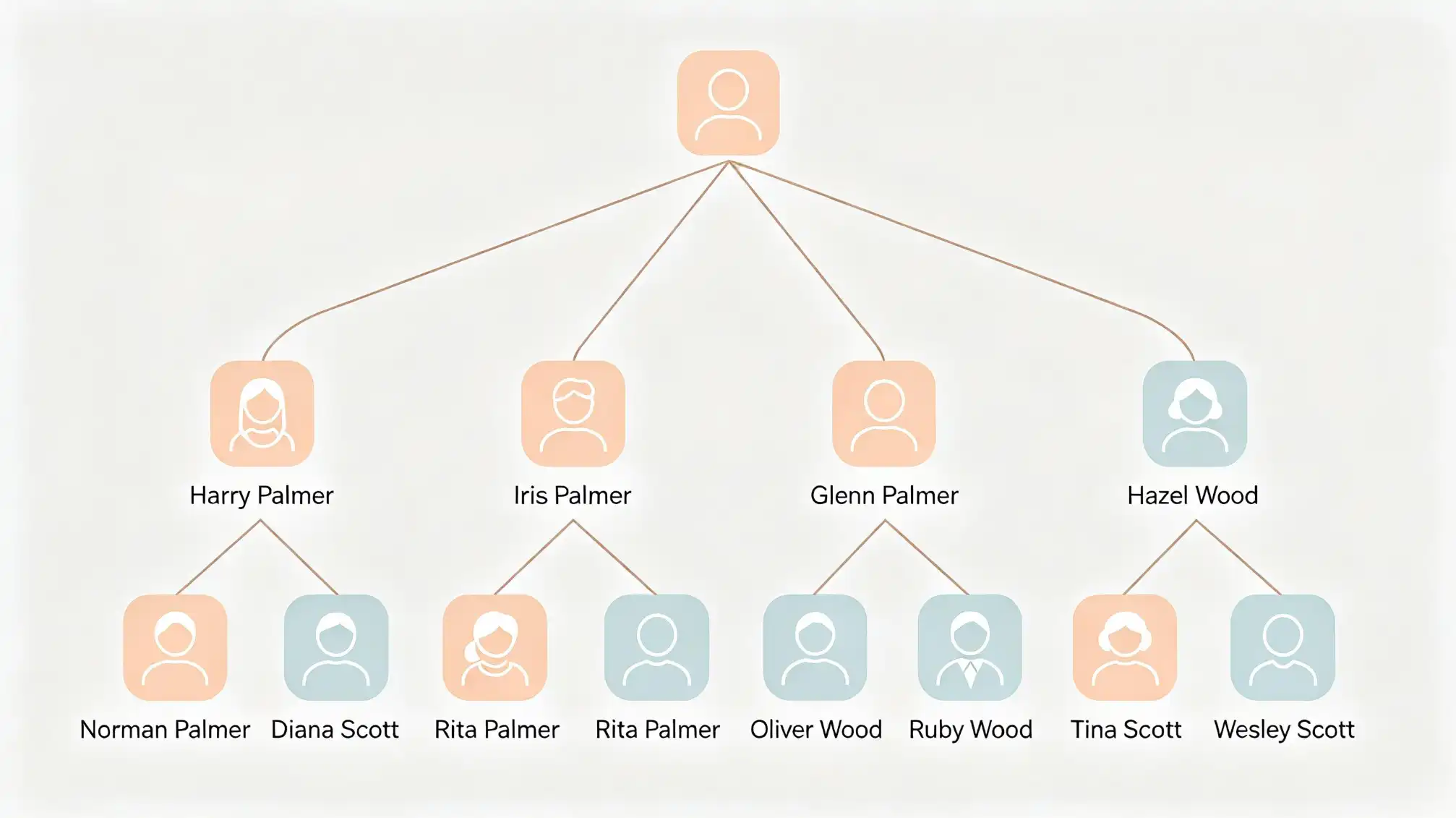
Your relatives are walking archives. A phone call to an aunt or an afternoon with a grandparent can reveal names, places, and stories that are not written anywhere. Ask open-ended questions like “What do you remember about your grandparents?” or “How did your parents meet?” You will be surprised by what comes out.
Record the conversation with permission, keep notes, and verify spellings. If possible, look at old photo albums together. The back of a photograph often contains a name and a date, turning it into a tiny historical document.
To make this process easier, create a shared space online where the whole family can contribute. Start a page on your family page at FamilyLove and invite relatives to add memories, photos, and corrections. This turns your family tree into a collaborative project and helps you connect with relatives you may not see often.
Organize What You Learn
As you gather information, you will notice that not all of it is reliable. Cousins may disagree about a birth year, and family legends may contradict official records. Your job is not to judge; it is to document what you find and note where it came from.
Create a simple system for sources. For every fact, write down who told you or which document provided it. A date written on a family Bible is evidence. A memory shared over coffee is evidence too, though of a different kind. The more clearly you track your sources, the easier it will be to verify facts later.
This habit also helps you avoid repeating someone else's research mistakes. When you eventually share your tree with others, they will trust it more because they can see how you reached your conclusions.
Use Records to Fill in the Gaps
Once you have exhausted what your relatives know, turn to public records. Birth certificates, marriage licenses, census returns, and obituaries are excellent sources for building your family tree. Many of these are available online through archives and genealogy websites.
Start with official records for the most recent generations, then work backward. This is also where you may discover why a family tradition began or why an ancestor moved to a different country. The facts give you the outline, and the stories give it color.
As you build your family history, keep an eye out for variations in surnames, misspellings, and changed names. Records were often written by clerks who spelled what they heard. Be flexible and search multiple spellings to avoid missing a relative.
Common Mistakes to Avoid
Every beginner makes a few missteps. Knowing these ahead of time can save you hours of rework.
- Starting with the wrong person: always begin with yourself and work backward.
- Trusting a single source: compare at least two records before adding a fact.
- Adding unverified names from other trees: other people's errors can become yours.
- Ignoring women's surnames: they often hold the key to a whole new branch.
- Forgetting to back up your data: save a copy of your tree after every session.
Keep Your Family History Alive
A family tree is meant to be shared, not hidden in a drawer. Once you have a few generations documented, think about how to preserve the stories behind the names. Write a short biography for each ancestor, scan old photographs, and mark key locations on a map.
Share your progress with the people who helped you. They will feel valued, and they may correct a detail you missed. You can also use the tree as a conversation starter at the next family gathering — it is a wonderful way to bring generations together.
Remember that everyone you add to your tree was a real person with a unique life. As you discover a new ancestor's occupation, religion, or migration route, take a moment to imagine their daily life. This perspective keeps the research from becoming a dry exercise.