Every family has a story, but it often remains scattered across old photographs, official records, and the memories of relatives. A family tree gives that story a structure — a visual and emotional map of who you are, where you came from, and how each branch of your family connects. For beginners, the idea of tracing ancestors can feel overwhelming, but the process is more approachable than you might think. You don't need to be a professional genealogist or have a pile of dusty documents to begin.
More Than a Chart: The Heart of a Family Tree
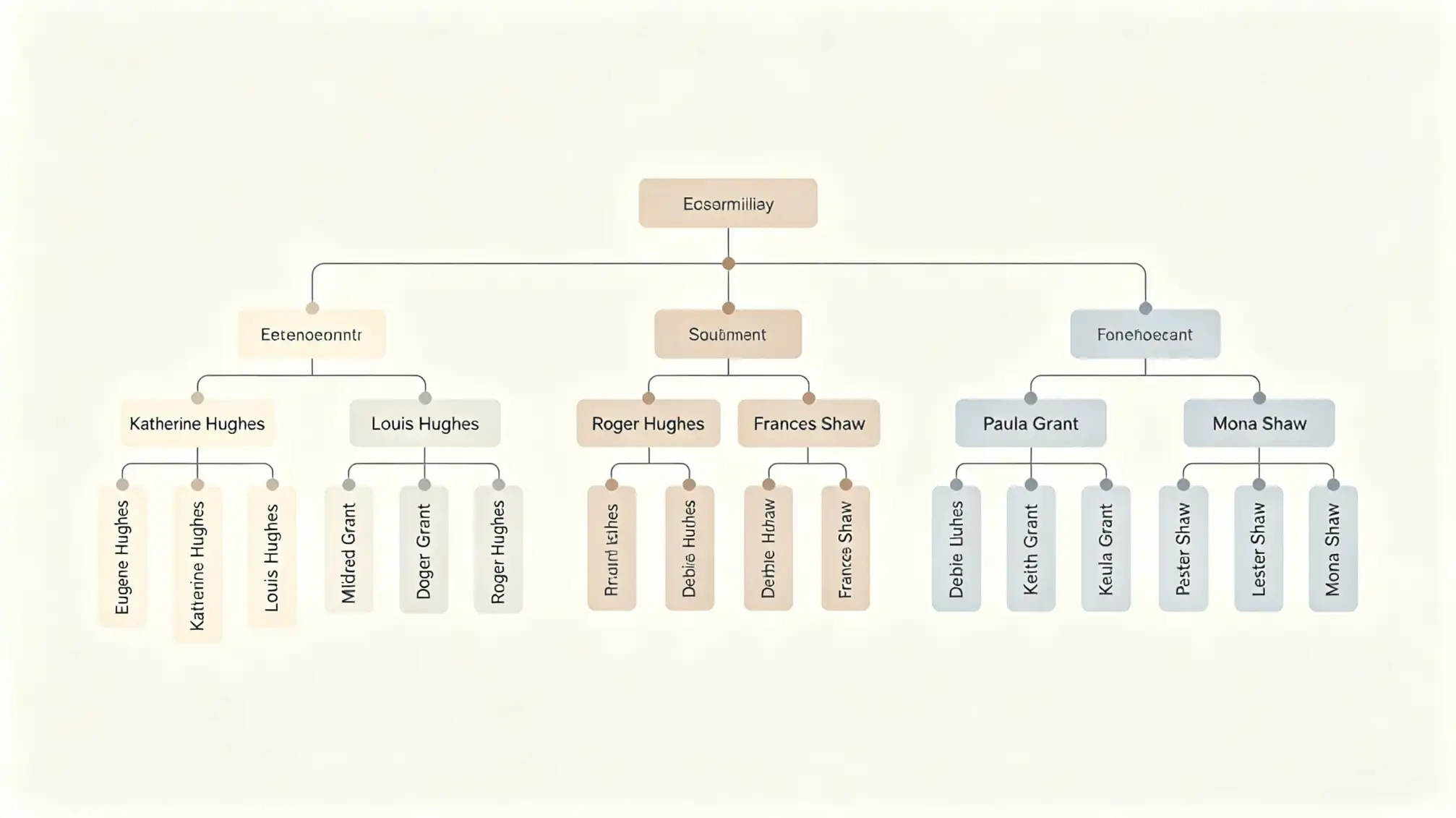
At its core, a family tree is a visual representation of relationships. It shows how parents, grandparents, siblings, and cousins connect across generations. But if you look closer, it also reveals patterns: the names your family repeats, the places they migrated from, the trades they passed down, and the challenges they overcame. That makes a family tree a powerful starting point for family history, not just a diagram of names.
When you begin filling in branches, you will quickly find that each name is a doorway to a larger story. Your ancestors were not just labels on a chart. They were people who lived through historical moments, made difficult choices, and built the world you inhabit today. A family tree helps you step into their world with curiosity and respect.
Why Beginners Should Start with a Small Family Tree
Many people hesitate to start genealogy because they think they need to know everything before beginning. That is a mistake. A family tree works best when it grows organically. Start with yourself and your immediate family. Then add your parents, your grandparents, and your great-grandparents one step at a time.
This small approach gives you several advantages. It keeps the project manageable, so you don't feel buried in names. It also helps you spot gaps in your knowledge. When you notice you don't know your grandmother's maiden name or where your great-grandfather was born, you now have clear questions to ask relatives. This is the heart of genealogy: not just collecting names, but learning the stories behind them.
You may also discover that the family tree you were told as a child contains a few surprises. That is natural. Family history is not about proving a perfect line; it is about understanding the real, imperfect, and wonderful people who came before you.
From Names to Narratives: Family History Beyond Dates
Dates and places are important, but they are only scaffolding. The true richness of family history emerges when you connect those details to everyday life. What did your great-grandmother cook on Sunday mornings? What songs did the family sing at celebrations? Which heirlooms travelled across the ocean?
These questions turn a family tree into a source of meaning. They also invite younger generations to feel included. When you gather around a table to look at photographs and tell stories, you are not just doing research — you are strengthening family bonds. That is why the process matters as much as the finished chart.
If you want gentle prompts for these conversations and ideas for preserving the stories you hear, explore the family hub at FamilyLove. It offers practical ways to turn memories into keepsakes and helps you keep the human side of genealogy front and center.
How to Read Your Family Tree Like a Researcher
Once you have filled in several generations, your family tree becomes a working document. As you continue your family history research, you will encounter records like birth certificates, marriage licenses, census entries, and immigration papers. A family tree helps you organize these documents and see connections at a glance.
As a beginner, remember a few simple research habits. First, always record where you found each piece of information. Second, write down what you know as fact and what you still need to verify. Third, talk to older relatives early — their memories are a precious resource, and time can make them harder to access later.
When you hit a missing ancestor or a confusing family story, pause before guessing. Genealogy thrives on evidence. A family tree built on assumptions can mislead you for years. Instead, use missing branches as prompts for interviews, archive searches, or even DNA testing. Treat every blank space as an invitation to learn something new.
Gathering, Documenting, and Verifying Your Ancestors
Your first step is always the same: gather what you already have. Look through drawers, albums, and boxes. Ask close relatives for names, dates, and places. Record everything in a notebook or a simple digital document.
Next, begin to organize your findings into a basic family tree. You do not need special software at this stage. A blank piece of paper, a spreadsheet, or a free online template works just fine. The goal is to make the connections visible so that gaps become obvious.
Finally, verify the details you collect. Cross-check dates with official records when possible. Ask at least two relatives about the same family story and compare their memories. This might seem like slow work, but it keeps your family history honest and reliable.
Remember, even a small family tree is a gift. It gives your children and grandchildren a sense of belonging. It also gives you a deeper appreciation for the struggles and joy woven into your family line. You are not just preserving the past; you are creating a resource for the future.