When you begin exploring a family member's life story, you quickly discover that a family tree gives you branches, but not the leaves. You know someone's name, a birth year, perhaps a hometown, but you do not yet know how they laughed, what they feared, or what they hoped for on a Tuesday morning in 1965. That is why recording a person's life story matters. It fills in the texture between the facts so future generations can meet the person behind the ancestor.
Many beginners assume that capturing a life story requires professional equipment or a background in journalism. It does not. All you need is curiosity, a simple recording tool, and the willingness to listen. The process is less about producing a polished biography and more about creating a faithful account of someone's lived experience. The most valuable recordings are often the ones that feel imperfect, because they sound like real conversations.
The Difference Between Family History and a Life Story
Family history often begins with documents: birth certificates, census records, immigration papers. Genealogy gives us dates and places, and those are essential. But a life story adds something that paperwork cannot: context. When your grandmother says that her father lost his job during the Depression, you understand why he moved the family three times in two years. That single sentence turns a name on a family tree into a person who made decisions under pressure.
Similarly, when an uncle talks about his first day at a factory, you learn not just where he worked but how he felt about the noise, the foreman, and the friends he made. Those details are the raw material of real history. They answer the question that genealogists often miss: what did it feel like to be alive in that time and place? A life story preserves the sensory world of your ancestors, including the cooking smells, the weather, and the humor that helped them cope.
Why Listening Changes Everything
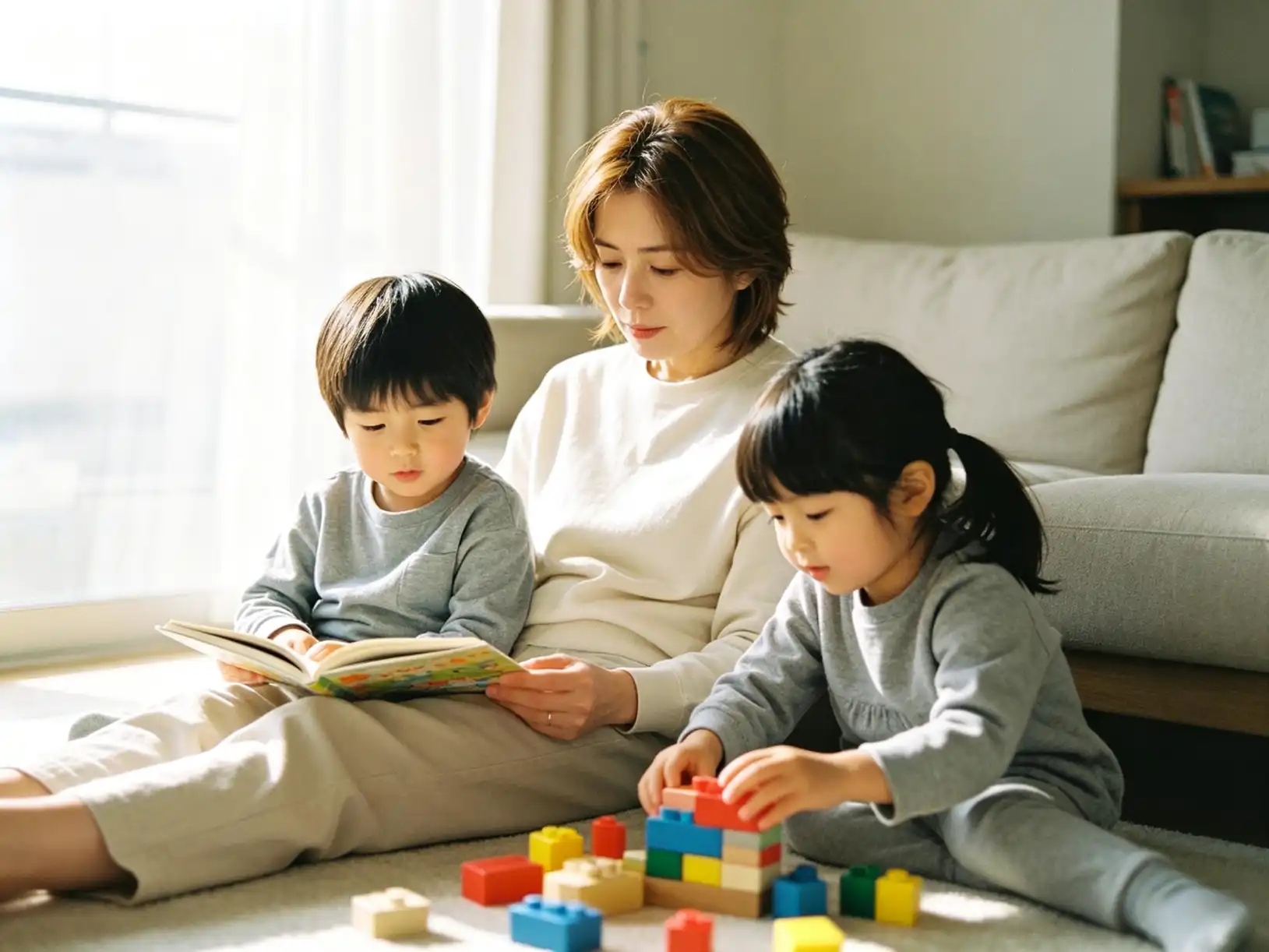
Recording a life story is an act of attention. When you sit down with a parent, aunt, or neighbor, you are saying that their memory is worth preserving. That message matters, especially for older relatives who may feel invisible in a fast-moving world. The simple act of asking questions can reawaken a sense of purpose and make a person feel valued.
You might begin with a family tree in front of you, but you should not stop there. Instead, ask about the spaces between the names. What was the kitchen like? Who was the best cook? What did your great-grandparents argue about? These questions uncover stories that no records will ever contain. In time, you will realise that a life story is not one continuous narrative but a mosaic of moments, habits, songs, and sayings.
Do not worry about keeping perfect order. The best storytellers may jump from the war to a wedding and back again. Follow their rhythm. If you edit too much during the conversation, you may accidentally cut off a memory that seemed off-topic but later proves to be the key to understanding a whole period of their life.
How a Life Story Enriches Family History
Once you have recorded a few interviews, you can begin to weave them into your family history. You might create a timeline that combines census data with memories of a long summer spent on a cousin's farm. You might add a paragraph to each ancestor's profile, explaining how their birth order shaped their personality. This kind of layered documentation turns genealogy from a list of dates into a shared identity.
When you link your family tree to recorded stories, you also make the past easier to pass on. A child may not care about a second cousin twice removed, but they will listen to a story about a boy who snuck into a cinema in 1942 and never forgot the smell of popcorn. That is why recording a person's life story matters; it creates a bridge between generations that no database alone can build.
Over time, you may notice that the same event appears in different versions depending on who tells it. That is not a problem. Those variations tell you something about each person's perspective. Include them, note them, and let future researchers see that family history is not a single official line but a set of overlapping views from people who lived through it together.
Overcoming the Fear of Getting Started
Many people hesitate because they worry about etiquette. They do not want to bring a recorder to the dinner table or make their grandmother cry. Start gently. Send a few questions in advance. Let the person choose the setting and the length of the conversation. You can also involve other family members, but keep the focus on one storyteller at a time so the story does not get lost in group banter.
You can also start with a smaller step. Instead of recording a full hour, ask your relative to show you a photo album. Let them point to people and describe what they remember. The camera can be rolling in the background, or you can simply take notes. The goal is to get comfortable with the act of listening and to show that you genuinely care about their memory. If you are not sure where to start, consider exploring the family section of FamilyLove to see how your project can connect with a broader effort to document your ancestry.
What to Ask When Recording a Life Story
You do not need a long questionnaire. A few open-ended prompts are enough to open the door. You can adapt these as you listen:
- What is the earliest memory that still feels vivid?
- Who was the most influential person in your childhood?
- What did you want to be when you grew up, and why?
- What do you remember about the house where you spent the most time?
- What is a lesson you hope your descendants remember?
Let the conversation wander. Some of the deepest details appear when you least expect them. If the person pauses, wait. Silence can be fertile ground for memory. And if a question does not work, move on. The goal is not to check off topics but to create the conditions for memory to surface naturally.
Making It a Habit
Life stories are not captured in a single afternoon. They emerge through repeated visits, phone calls, and written notes. Keep a small journal dedicated to the project. After each conversation, write down the details that struck you: a phrase, a name, a recipe. Over time, these fragments will form a vivid portrait that no public record could ever match.
If you live far from the person you want to interview, use a phone call or a video call. Many older relatives respond well to a regular schedule. Try one call every two weeks with the same open question. Before long, they will start telling you stories before you even ask. That momentum is a sign that the project is working. You can also share your notes with the family and invite others to add their own memories.