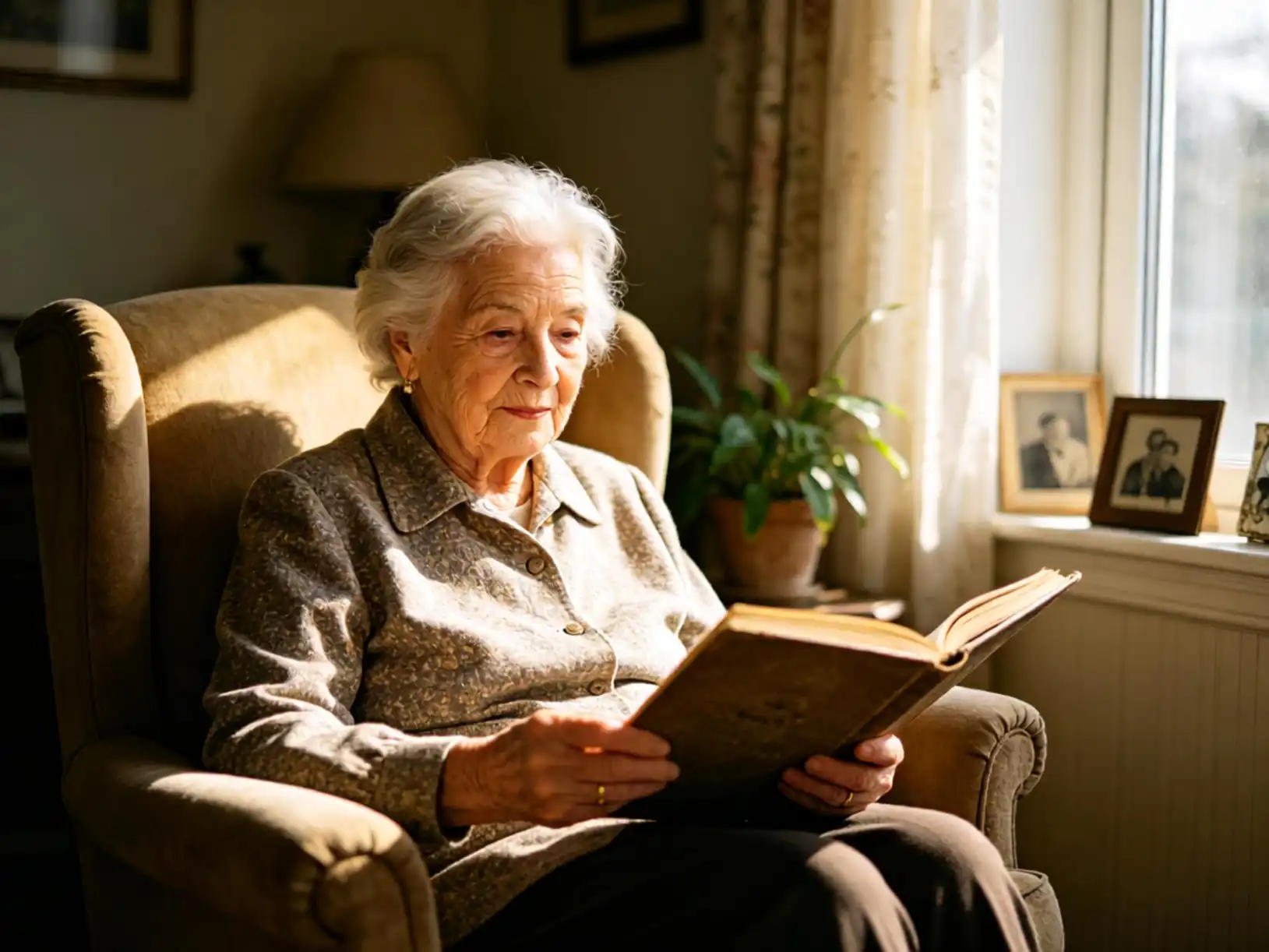
Why Preserving a Person's Life Story Is Important for Your Family History
When beginners start exploring their family history, they often imagine dates, documents, and a growing family tree. But there is a deeper layer that makes all that research meaningful: the person behind the name. Preserving a person's life story is important because it adds color to the black-and-white facts of genealogy. It turns birth records into shared smiles, migration routes into brave decisions, and old photographs into lived experiences. If you are just beginning to explore a relative's past, understanding why their story matters can change the way you approach every conversation, every old letter, and every box of keepsakes.
More Than Names and Dates: The Living Side of Family History
A family tree is a map of relationships, but it does not tell you what your grandmother laughed at or how your grandfather reacted to failure. Those details live in memory, not in records. When you preserve a person's life story, you keep the very things that made them unique. You preserve the way they told a joke, the song they hummed while cooking, and the reason they always kept a particular book on the nightstand.
This is why many genealogists say that family history is not complete without personal narratives. You can trace your ancestors through census records and military files, but those official sources rarely reveal a favorite food or a childhood fear. By collecting stories, you add an emotional dimension that no archive can provide. For beginners, this can feel less intimidating than archival research because it starts with simple listening.
The Invisible Lessons Hidden in Everyday Memories
One of the most powerful reasons to preserve a life story is that everyday memories often carry invisible lessons. People do not always talk about their greatest achievements or most dramatic moments. Instead, they share small scenes: the year they planted a garden, the time they missed a train and met a lifelong friend, or the way their mother tucked them in at night. These fragments may seem unimportant at first, but they hold the values, coping strategies, and quiet wisdom that shaped the family.
For example, a story about how your uncle repaired the same bicycle for twenty years can teach patience and resourcefulness. A memory about your great-aunt writing letters to soldiers during the war can reveal compassion in action. These lessons rarely appear in a family tree, yet they are exactly what future generations need to understand who they come from. When you recognize this, preserving a life story becomes not just a treasure hunt but an act of compassion.
Filling the Gaps in Genealogy With Oral History
Genealogy often has missing branches, unknown birthplaces, or unexplained moves. Oral history can help fill those gaps. You might not find an official record of why your ancestors left a particular town, but a relative's memory of a story passed down from their parents can offer clues. Maybe the family legend mentions a drought, an argument, or a dream of a better life. That clue can lead you to new research directions, like looking at weather records or land documents.
Even when oral accounts are not perfectly accurate, they show how the family interpreted its own past. That interpretation is part of your cultural inheritance. As a beginner, you may be tempted to treat official documents as more reliable than memory. But memory carries meaning. If your grandmother says the family came from a village with a particular name, and your genealogy search suggests something slightly different, preserving her version is still valuable. It shows what the family believed and why that belief mattered.
A Gift That Only You Can Give
Another reason preserving a life story is important is that it is a gift of attention. Many older relatives feel that their experiences will be forgotten once they are gone. When you ask thoughtful questions and record the answers, you send a clear message: your life matters to me. This simple gesture can strengthen relationships and reveal memories that the person has never shared before, simply because no one ever asked.
You do not need professional equipment or a journalism degree. A phone, a quiet afternoon, and a list of open-ended questions are enough. Start with prompts like “Tell me about a time you felt proud” or “What did your parents teach you without words?” Let the conversation wander. Some of the most precious memories emerge in the detours.
How to Organize Stories Around Your Family Tree
Once you have collected stories, you will want to connect them to your family tree. Write the person's name, key dates, and places at the top of each transcript or audio file. Then add a short summary of the story and tag it with relevant names. This makes it easy to link memories to ancestors in your genealogy database. Over time, you will build a rich family history that includes both evidence and emotion.
If you are ready to involve other relatives, a meaningful step is to share the project openly. You can invite cousins, aunts, and uncles to contribute their own recollections. For practical ideas on gathering your family around this effort, check out the family page at FamilyLove, where you will find guidance on connecting generations in a respectful and joyful way.
Starting Small: The Ripple Effect of One Life Story
Preserving a single life story can create a ripple effect across your entire family history. Once you record one person, you may notice that other relatives become more willing to share. The momentum builds. A childhood anecdote leads to a forgotten photograph. A photograph leads to a name on a family tree. A name leads to a new ancestor discovered through genealogy websites. Every story unlocks another door.
The important thing is to begin now. Do not wait for perfect circumstances or a formal interview. Next time you are on the phone with an older relative, press record after asking permission. Bring a notebook to family gatherings. Scan old letters and keep the original voice of the writer in your notes. These small actions are the foundation of a meaningful family history.
Why Digital Preservation Makes It Easier
Today, preserving a life story has become easier than ever. You can store audio files in the cloud, create private YouTube playlists, or use genealogy apps that allow voice notes directly on a family tree. But technology is only a tool. The real work is listening with genuine curiosity. When you do that, even a simple voice memo becomes an heirloom.
For future generations, these recordings will offer something that paper records cannot: the sound of a laugh, the pause before a difficult memory, the warmth in a voice when speaking about a beloved sibling. This sensory layer makes history tangible. It helps descendants feel connected to a relative they never met.
Turning Stories Into a Shared Family Resource
As you preserve more stories, consider turning them into a shared resource for the whole family. You might create a private family website, a printed booklet, or a collection of envelopes containing transcripts and copies of photographs. The format matters less than the intention. The goal is to make the stories accessible so they become part of how your family remembers itself.
When you take this step, you join a long human tradition of passing down knowledge through narrative. Your ancestors did it around fires and at dining tables. You can do it with digital tools and a willingness to listen. In both cases, family history becomes a bridge between the past and the future.
By now, you understand why preserving a person's life story is important for your family history. It is not simply about saving facts. It is about honoring a life, teaching future generations, filling the gaps in your genealogy, and creating a lasting gift of love and attention. Every time you listen to a story and keep it safe, you are doing something profound: you are making sure that a person who lived will not be forgotten.