Your First Family Tree: A Practical Step-by-Step Guide for Beginners
Starting a family tree can feel like stepping into a vast forest of names, dates, and half-remembered stories. You might wonder where to begin, what to record, and how to avoid mistakes. The good news is that every family historian starts the same way: with one name and one question. This guide walks you through the process of building your first family tree in clear, manageable steps, so you can create something meaningful without getting overwhelmed.
Begin with What You Already Know
The easiest place to start is inside your own home. Write down everything you know about yourself, your parents, your grandparents, and your siblings. Include full names, dates of birth, places of residence, and any life events such as marriages or immigration. Do not worry about filling every gap right away. The goal is to create a rough sketch of your immediate family circle.
As you write these names down, you will quickly notice patterns and missing pieces. Maybe you remember your grandmother’s maiden name but not her birthplace. Maybe you know your grandfather served in the military but not where he was stationed. Each blank space becomes a question you can answer later through conversations, documents, and research.
Gather Family Records and Artifacts
Next, look for evidence in your home. Birth certificates, marriage licenses, death records, passports, and old address books are gold mines for family tree builders. Photographs with names written on the back, letters, and newspaper clippings can also reveal important details about your relatives and the places they lived.
Do not forget family Bibles, funeral programs, and military discharge papers. These items often contain dates and names that are not recorded anywhere else. As you collect these documents, make digital copies if. Saving a photo or scan helps protect the original and makes it easier to share with family members later.
Talk to Your Relatives
One of the most rewarding ways to expand your family history is by speaking directly with relatives. Older family members hold stories that will never appear in official records, such as family traditions, nicknames, and migration stories. Schedule a time to talk, whether in person, over the phone, or through a video call. When you ask questions, be both specific and open-ended. Instead of asking “Did you know your grandparents?” try “What do you remember about your grandmother’s childhood?”
Record your conversations with permission. A simple audio recorder lets you focus on the conversation rather than frantically taking notes. Afterward, transcribe the key points and link them to the relevant relatives in your family tree. You will soon notice that two different accounts of the same event can sometimes contradict each other. That is okay. Note the discrepancies and, when possible, look for documents that confirm one version or the other.
As your research grows, you may want to share your findings with your extended family. A platform or group page dedicated to your family can help you collaborate and collect information from distant cousins. For a natural starting point, visit the family page at familylove.love/family where you can explore ideas for connecting with relatives and preserving your shared history.
Choose a Structure for Your Family Tree
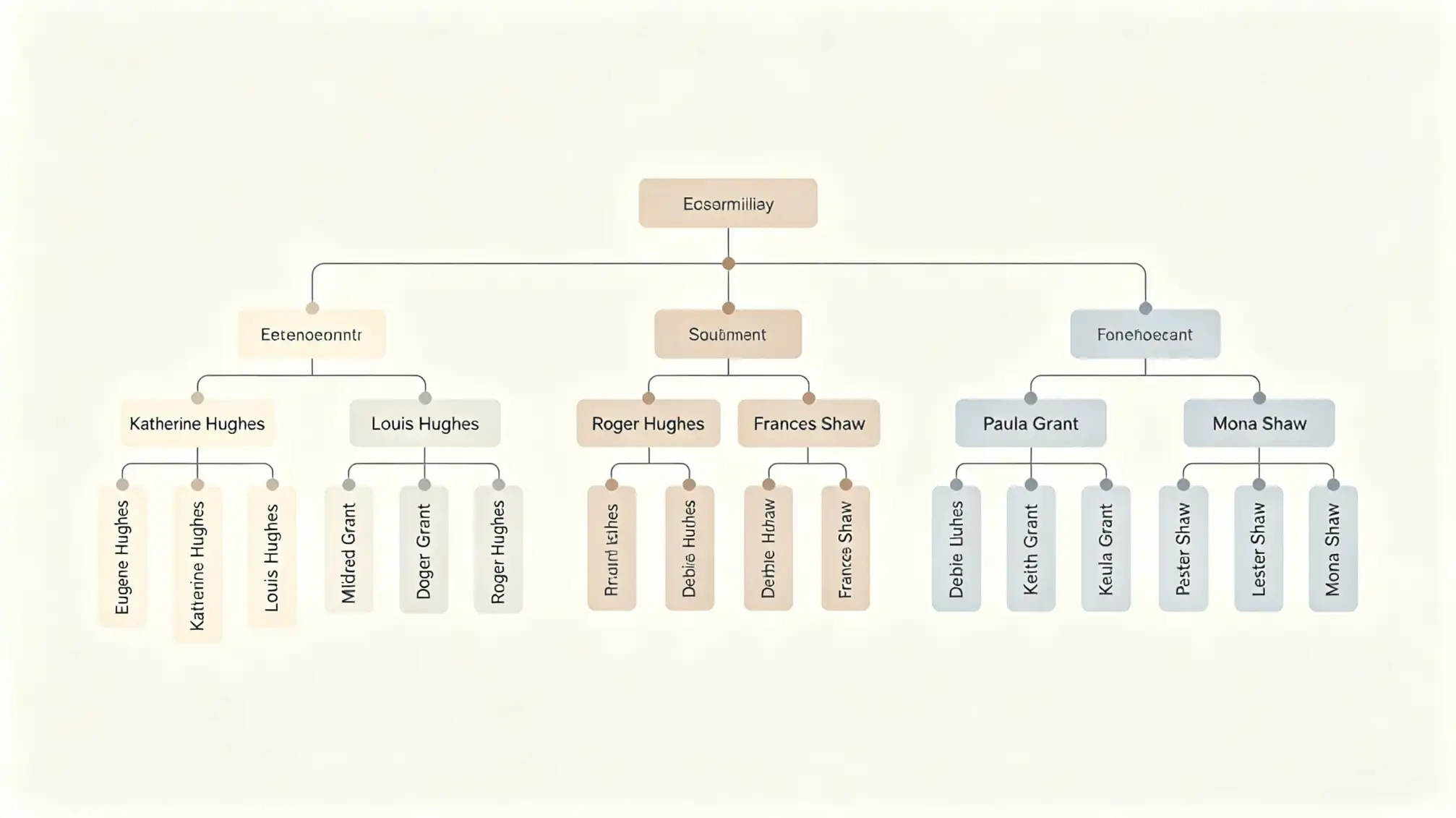
Before you add too many names, decide how you want to organize your family tree. Many beginners use a simple chart with themselves at the bottom and their parents, grandparents, and great-grandparents branching upward. Others prefer a fan chart that shows multiple generations in a single circular view. You can also use digital tools and genealogy software that let you attach documents, photos, and notes to each person.
No single method is correct. The best structure is the one you will actually keep using. Start simple. A clean list or spreadsheet with columns for name, date of birth, place of birth, date of death, and notes can be enough for your first few weeks. Once you see how many names you collect, you can move to a more visual format or a dedicated genealogy program.
Verify Information with Reliable Sources
Family trees grow stronger when supported by evidence. As you collect names and dates from memory and hearsay, compare them against official records. Census records, birth and death certificates, marriage registers, probate records, and immigration documents are among the most reliable sources for genealogical research. Many of these are available online through national archives, library databases, and genealogy websites.
Keep a source list for every fact you record. Write down where you found the information, such as the name of the document, the archive, and the date you accessed it. This habit will save you hours later when you need to double-check a conflicting date or prove a relationship to another relative.
Organize Your Findings as You Go
Genealogy research can multiply quickly. One surname leads to another, and soon you are examining a branch you did not expect. To avoid losing track, develop a simple filing system. Use folders for each family line, or create digital folders sorted by surname and generation. Label every photo and scanned document with names and dates. This small investment of time will keep your research usable for years.
Remember that your family tree is a living document. You will constantly discover new details, correct errors, and add long-lost branches. Do not strive for perfection. Instead, aim for a tree that reflects the best knowledge you have, with sources you can trust and gaps you are willing to revisit.