What Is a Family Tree? A Beginner’s Guide to Preserving Your Family History
For many people, the phrase “family tree” brings to mind an elegant chart with names, dates, and branches reaching outward. But a family tree is much more than a diagram. It is a living bridge between generations, a way to honor those who came before you, and a gift to the family members who will come after you.
If you are new to exploring family history, you might feel unsure where to begin. The good news is that a family tree is one of the most approachable entry points. You don't need to be a professional genealogist to create something meaningful. All you need is curiosity, a few reliable details, and the willingness to listen to the stories around you.
More Than Names and Dates
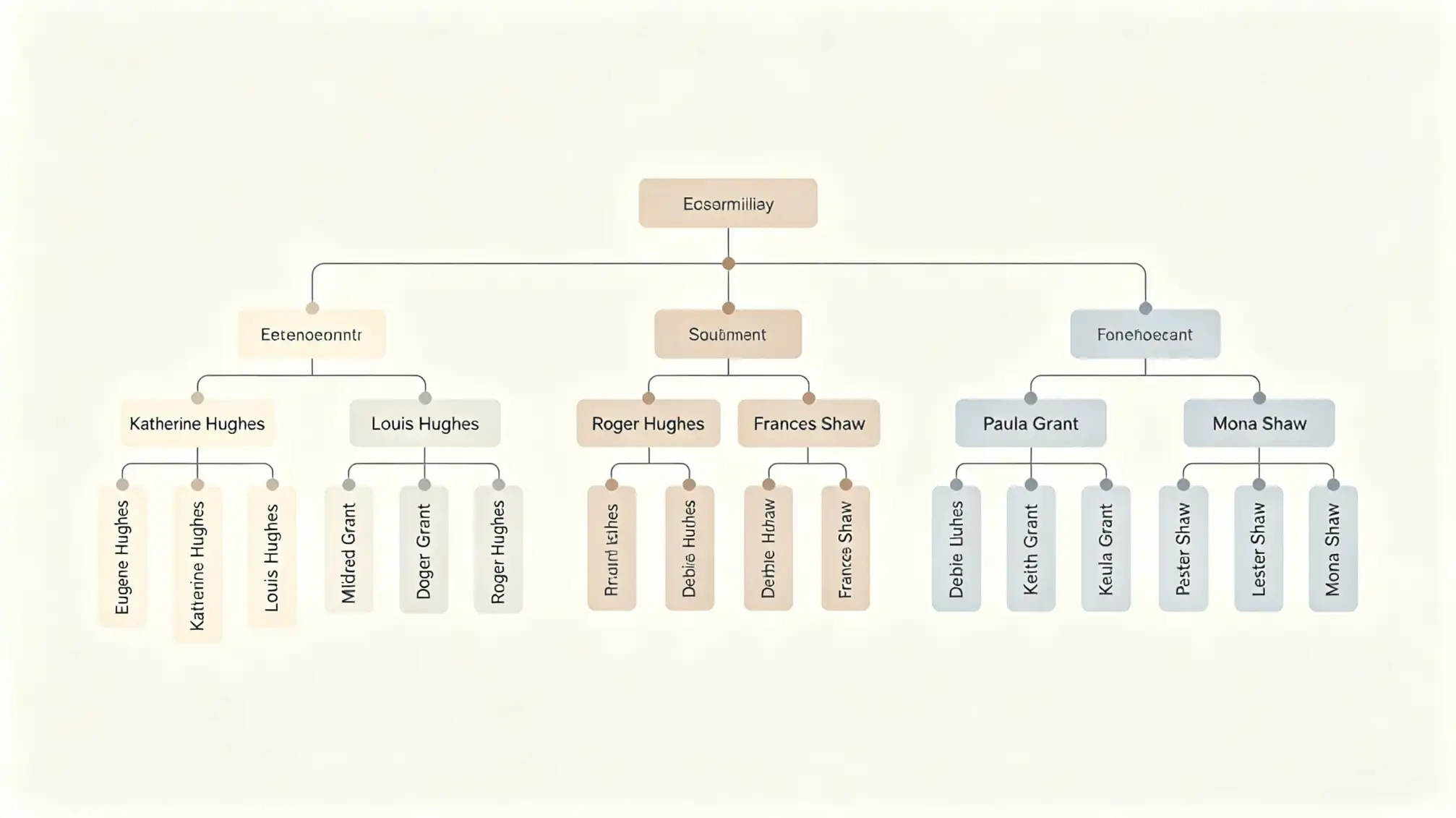
A family tree is a visual representation of your lineage. It shows how you are connected to your parents, grandparents, siblings, aunts, uncles, and even distant cousins. At its core, it tells a story. Each leaf on the tree represents a person, and every connection reveals a relationship that shaped your family history.
For beginners, a family tree can be as simple or as detailed as you like. You might start with just your immediate family and then slowly add ancestors as you discover them through conversations or records. Over time, the tree becomes a map of your family history — a personalized record of where your family came from and how their journeys led to you.
Why a Family Tree Matters for Family History
When you begin studying genealogy, the family tree is often your first organizing tool. It helps you group facts, spot missing generations, and identify questions worth exploring. Without a tree, family history can feel like a collection of scattered stories. With a tree, those stories find their place in a larger pattern.
Building a family tree also reveals patterns across generations. You may discover that several branches of your family lived in the same region for centuries, that certain names reappear again and again, or that an ancestor made a daring move across the world. These discoveries turn a list of dates and places into a compelling family history you can share with pride.
Furthermore, a family tree can deepen your sense of identity. In a fast-changing world, knowing where you come from provides an anchor. It helps you understand familiar traits, traditions, and even health histories that have traveled through your family line.
Understanding Your Ancestors Through a Family Tree
Your ancestors are not just names in a dusty record book. Each one had dreams, struggles, and everyday moments that contributed to who you are today. A family tree helps you remember them as real people. When you add a birth date, a marriage certificate, or a photograph, you are giving voice to someone who might otherwise be forgotten.
As you trace your family line, you may notice surprising connections. A relative could appear in a historical census, or a distant cousin might share a photo of a great-grandparent you never met. These moments make family history feel alive and deeply personal, and they often spark a desire to learn even more.
Starting Your Own Family Tree
The best place to start is with yourself. Write down your full name, birth date, and place of birth. Then move to your parents, your siblings, and your grandparents. You might be surprised by how much you already know — but also by how many gaps appear once you really begin.
Talk to relatives, especially older ones. They can provide names, places, and stories that will help you fill in the blanks. Family gatherings are perfect opportunities to ask questions, and you can also look for letters, photographs, and official documents around the house. Even a simple family Bible can hold generations of valuable clues.
One useful technique is to create a family group sheet for each couple you research. A family group sheet records a husband, wife, and their children in one place, making it easier to see relationships at a glance. This simple tool can save you time and prevent confusion as your tree expands.
What to Include in a Family Tree
- Full legal names and common nicknames
- Birth, marriage, and death dates
- Birthplaces and places of residence
- Spouses, children, and siblings
- Photographs and scanned documents, if available
- Stories or notable details that bring each person to life
Common Challenges for Beginners
Genealogy can feel overwhelming at first. You may encounter inconsistent spellings of surnames, missing records, or relatives who remember the same event differently. Be patient and make notes about where you found each piece of information. That way, you can verify your family tree as it grows.
Remember that a family tree is not a competition. You do not need to trace your ancestry back hundreds of years to make it meaningful. Even three generations of careful research can give your family history a solid foundation and help future generations understand their roots.
Digital and Traditional Ways to Record Your Tree
Some people love the feel of a hand-drawn family tree, while others prefer digital tools. Both methods work well. A handwritten chart can become a beautiful keepsake, while online platforms make it easy to collaborate with relatives, store documents, and update your information as you learn more.
If you are looking for a place to document your relationships in a warm and practical way,you can explore the family section at FamilyLove to see how family connections are presented with care. No matter which format you choose, the important thing is to keep your family tree accessible and easy to update.
From Family Tree to Family History
Once you have built a basic family tree, you can go deeper. Use the branches as a guide to research historical events, migration patterns, and daily life in the places where your ancestors lived. Add photographs, recipes, letters, and oral histories to transform your tree into a full family history.
This is the part that matters most. A family tree is not just a chart; it is a doorway into the lives of the people who made you. By preserving their stories, you carry their memory forward and give future generations a precious sense of identity and belonging.