When you hear the phrase family history, you might think of dusty record books, census forms, and a family tree filled with names and dates. Those facts are valuable. Yet the true texture of a family's past lives in the stories behind the entries: the joke your grandmother told every Thanksgiving, the reason your great-uncle chose a particular town, the small decision that changed your family's direction decades later. Think of it this way: a family tree shows the skeleton of a family, but a life story gives it a heartbeat.
For beginners, the task of capturing a person's life story can feel enormous. Where do you start? What should you ask? The good news is that you already have the most important tool: your attention. This guide will show you how to collect your family's memories in a natural, manageable way, without turning the process into homework.
What Family History Really Includes
Many people use family history and family tree almost interchangeably. A family tree is a useful snapshot. It shows births, marriages, deaths, and lineage in clean branches. Genealogy takes that a step further by placing your ancestors in historical records. But neither captures how a person experienced their life.
A complete family history should include:
- Key dates and places you can verify through records
- Stories that explain why a move happened or how a couple met
- Personal sayings, traditions, and values that passed down the line
- Work, hobbies, and daily routines that made life feel real
- Challenges and triumphs that shaped your family's identity
When you sit down with a relative and ask open-ended questions, you start filling in those spaces between the branches.
Why a Person's Story Deserves to Be Kept
It is easy to assume that famous events will always be remembered. But family memory is fragile. A story that has been told for decades can disappear within one generation if no one writes it down. That loss matters not because every detail is dramatic, but because those details make your ancestors feel like real people.
Knowing your family's history can also give you a stronger sense of identity. When you understand what your grandparents survived, you may view your own challenges differently. When you hear about a great-grandparent's sense of humor, you may recognize a familiar spark in yourself. That connection is not sentimental fluff; it is a practical way to build emotional resilience.
Preserving a life story is not about creating a polished document. It is about making space for the person, in their own words, to be seen by future generations.
Start With What You Already Have
Many beginners think they need expensive software or professional research before they can begin. That is not true. Your own home is full of starting points. Look through photo albums, old letters, or a drawer of mismatched documents. A birth certificate, migration card, or naturalization paper can unlock a whole era of your family's past.
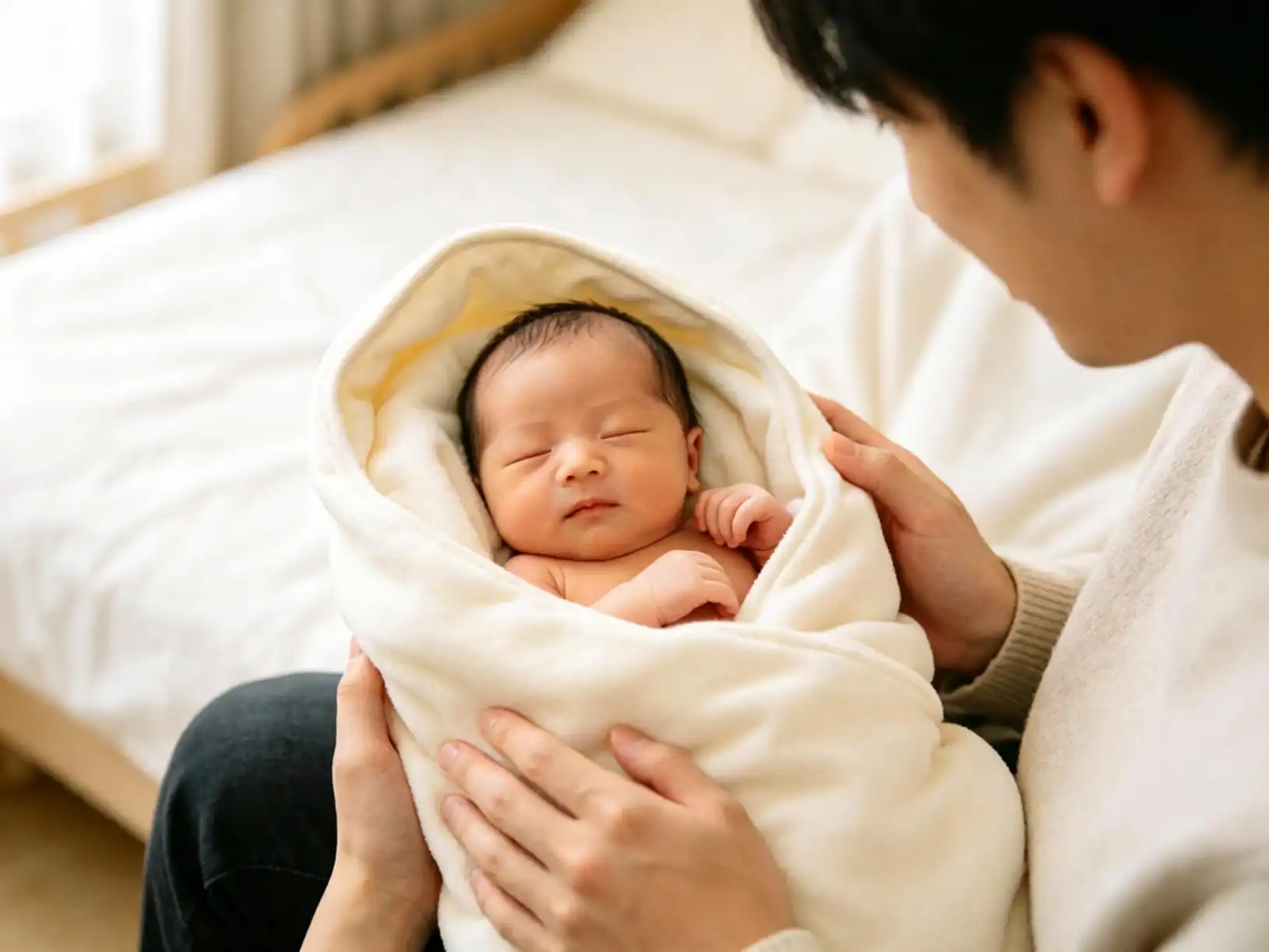
Start with one person whose story you want to explore. Write down what you already know about them: birthplace, siblings, occupation, marriage, children. Then circle the gaps. The next time you visit or call that relative, you will know exactly which questions are worth asking.
Even a small object can open a door. A handwritten recipe card can lead to a story about Sunday dinners. A faded train ticket might prompt a tale about moving to a new city. Keep those objects nearby during your interview. They turn abstract questions into concrete memories.
If you need conversation starters, the family section of Family Love offers practical prompts for interviewing older relatives and handling delicate topics with care. You can also use it as a place to organize the memories you collect.
Recording Stories Without Feeling Overwhelmed
One of the simplest ways to preserve a life story is also one of the most reliable: an audio recording on your phone. You do not need a studio microphone or a video setup. Just find a quiet corner, press record, and let the conversation flow.
To avoid awkward silences, prepare a short list of questions that invite detail. Instead of asking, 'What did you do in the war?', try 'What was a regular day like for you in 1943?' Instead of 'When did you meet grandma?', try 'Tell me about the first time you saw grandma.' Those small phrasing changes can turn a one-word answer into a rich memory.
Do not interrupt to correct facts. If your aunt says a wedding happened in 1952 but the record says 1954, let the story continue. You can verify dates later. The goal of that conversation is memory, not proofreading.
After the conversation, save the recording in at least two places: a cloud drive and a USB stick. Write a short summary of the stories you heard. You do not need to transcribe everything at once. The goal is to capture the voice and the details before they fade.
What If Your Relative Does Not Like to Talk?
Some older adults worry that their memories are boring or unimportant. Set them at ease by asking about a specific object in the room. Show genuine curiosity. Start with a comfortable memory: a childhood pet, a favorite meal, or a first job. You can also use photographs as gentle prompts. Let the person hold the photo and talk about it in their own way. Once the first story flows, the rest often follow naturally.
Turn Memories Into a Lasting Keepsake
Once you have gathered a few stories, decide how you want to share them. Some families create a private blog that multiple relatives can contribute to. Others print a simple book for a reunion. Some simply write letters to younger family members, describing the life of an ancestor they never met.
You can also add the stories to your family tree software. Many genealogy tools let you attach notes, audio, and photographs to each person. That way, the facts and the memories stay together. Future researchers will thank you.
If this is your first time doing genealogy, start with one ancestor and go no deeper than three or four generations. That limit keeps the project manageable. As you gain confidence, you can expand outward and fill in more branches.
Keep Your Family History Alive
The work does not end with one interview. Family history is a living project. When a new baby arrives, you can add a page to your collection. When a relative shares a memory at a holiday dinner, jot it down afterward. You do not need to be perfect. The goal is to create a habit of noticing and recording the stories that pass through your family.
When you document your own parents or grandparents, you are also creating a model for the next generation. They will learn that stories matter. Years from now, someone may sit down with your recordings and discover a version of you they never expected. That is the quiet power of a preserved life story.