If you have ever looked at an old photo and wondered about the faces in it, you already understand the spark behind genealogy. The desire to know where we come from is natural, and today it is easier than ever to turn that curiosity into a meaningful family history project. But for many beginners, the hardest part is simply knowing where to start. This article walks you through the core genealogy basics in a clear, practical way, so you can build your family tree with confidence and enjoy the process from day one.
Think of genealogy as a three-step rhythm: gather, organize, and verify. Most beginners make faster progress when they follow this structure. By starting small and building a solid foundation, you will avoid the frustration of chasing unsourced names and mysterious branches.
Genealogy Basics: Begin With Your Own History
Every family tree begins with you. Open a notebook, spreadsheet, or a simple blank document and write down everything you know about your immediate family: your full name, date of birth, place of birth, parents’ names, siblings, and grandparents. You may be surprised how much you already have. Add the cities and towns associated with each family member, because place names help distinguish people with the same surname.
This step is often called building your family skeleton. Once the basic structure is in place, you can begin attaching the details that make your ancestors feel real.
Interview Relatives While Their Memories Are Available
Your relatives hold clues that no database can offer. Before you spend hours searching online, talk to the oldest members of your family. Ask open-ended questions: What was your grandmother like? Where did your father grow up? Did anyone serve in the military? Record the conversation with permission, and take notes about names, dates, places, and small anecdotes. These details often point you toward the next record to search.
Family interviews are among the most valuable genealogy basics because they capture history that is not written anywhere else. They also give you a chance to strengthen relationships while researching.
Choose a Simple Way to Organize Your Family Tree
Now that you have gathered names and stories, it is time to organize. A pedigree chart is an excellent start. It shows direct ancestors - parents, grandparents, great-grandparents - in a clear, visual line. Family group sheets help you record couples and their children together. You can use paper charts or a free online family tree platform. As a beginner, the best tool is the one you will actually revisit each week.
Whichever system you choose, create a consistent naming convention and always add a “source” field. That one habit will save you enormous effort later.
Research One Ancestor at a Time
A common beginner mistake is trying to trace every branch at once. Instead, pick one grandparent or great-grandparent and follow them from birth to death. Look for their birth record, marriage record, census appearances, and death record. As you document each event, you will naturally discover siblings, parents, and neighbors who become useful clues.
This focused approach is one of the most practical genealogy basics. It prevents confusion and gives you a satisfying sense of progress as each ancestor becomes a complete person rather than a name on a chart.
Watch for Common Genealogy Pitfalls
- Same name, different person: Always check locations and relatives before attaching a record to your tree.
- Name spelling changes: Ancestors sometimes changed spelling, or official records were written phonetically. Search with wildcards.
- Copying family myths: Treat family stories as clues, but look for evidence to confirm or correct them.
Verify Facts Before Adding Them to Your Tree
Genealogy is detective work. Many online family trees contain errors because someone copied a record without checking it. To avoid repeating those mistakes, seek original documents whenever possible. Birth, marriage, and death certificates are strong evidence. Census records, immigration passenger lists, military files, and newspaper articles also provide valuable context.
Compare each record with others. Does the birth year match? Is the husband on the census also on the marriage record? If two records disagree, look for a third. In genealogy, a well-sourced fact is worth more than a hundred unsourced guesses.
Preserve the Photos and Documents You Find
During your family history research, you will likely uncover old photographs, letters, and official records. These items are irreplaceable. Scan them at high resolution, label each file with the person’s name and date if known, and store copies in more than one place. Physical photos also need protection from sunlight, moisture, and temperature changes.
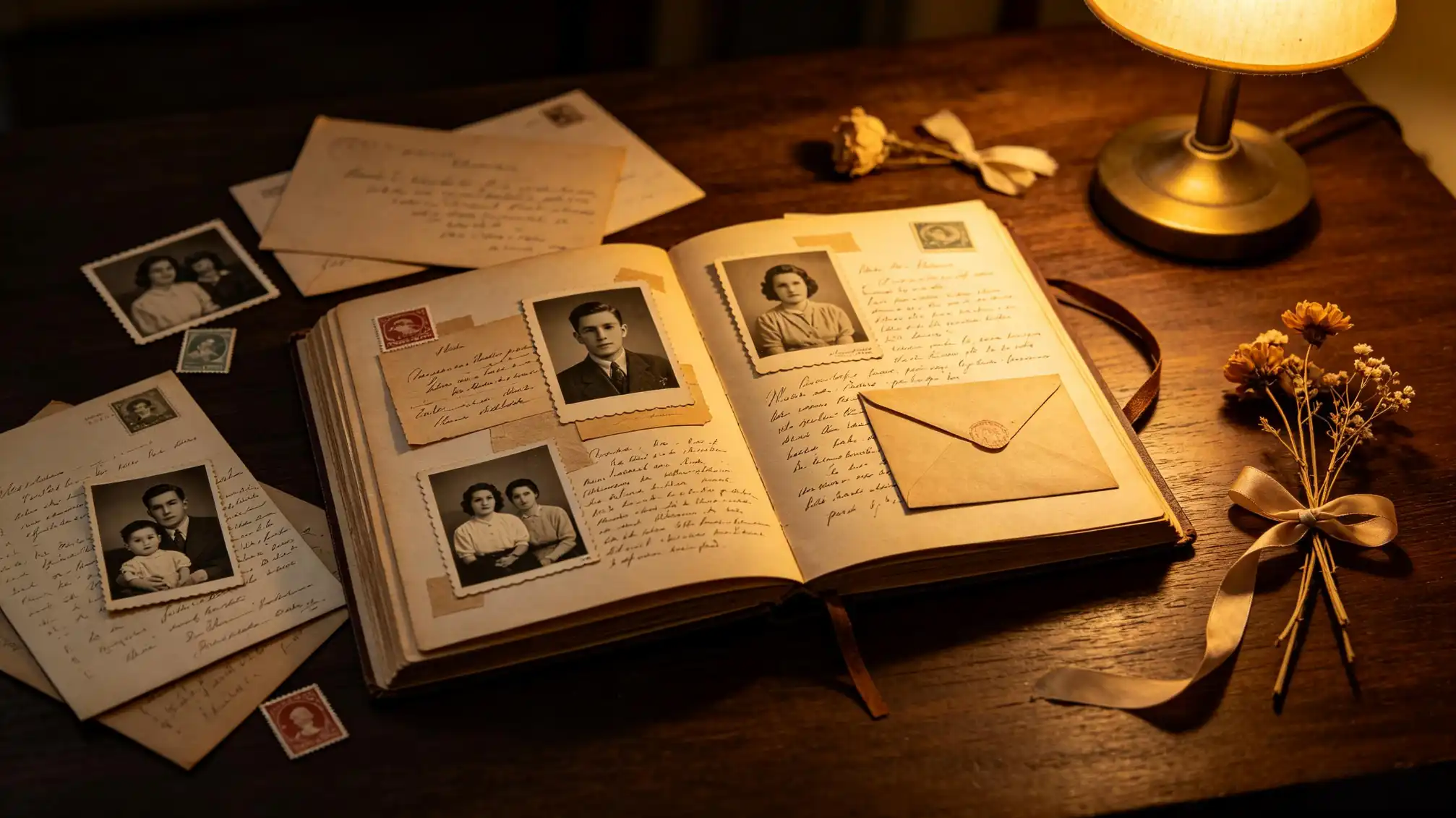
Preservation is a meaningful part of genealogy because it links the present to the past. When you care for these fragile pieces, you are ensuring that future relatives can meet the same faces you discovered.
Consider DNA Testing as a Supplement
DNA tests can help you confirm relationships, break through brick walls, and find cousins you never knew. However, DNA only suggests connections; it does not replace documentary evidence. Use DNA results as a clue, then return to the records to verify what you find. When used alongside traditional research, DNA is a powerful partner to the genealogy basics described here.
Turn Names Into Family Stories
The real reward of genealogy comes when you move from facts to stories. Once you have identified a few ancestors, spend time learning about the world they lived in. What major events shaped their lives? What were their occupations? Why might they have moved from one country or town to another? Answering those questions brings your family history alive.
When you are ready to share what you have learned, the family stories page at familylove.love is a welcoming place to publish your findings and connect with eager readers. Stories make family history meaningful, and sharing them helps preserve your work for generations.