Family History Questions That Turn Small Talk Into Legacy
You sit down with your grandmother, phone in hand, ready to ask about her childhood. Then comes the classic opener: "So what was it like back then?" She says, "Oh, it was different," and the conversation stalls. We have all been there. The problem is not that our relatives don't want to share; it is that we haven't asked the right family history questions. The kind that open doors to memories, emotions, and stories they may have buried for decades.
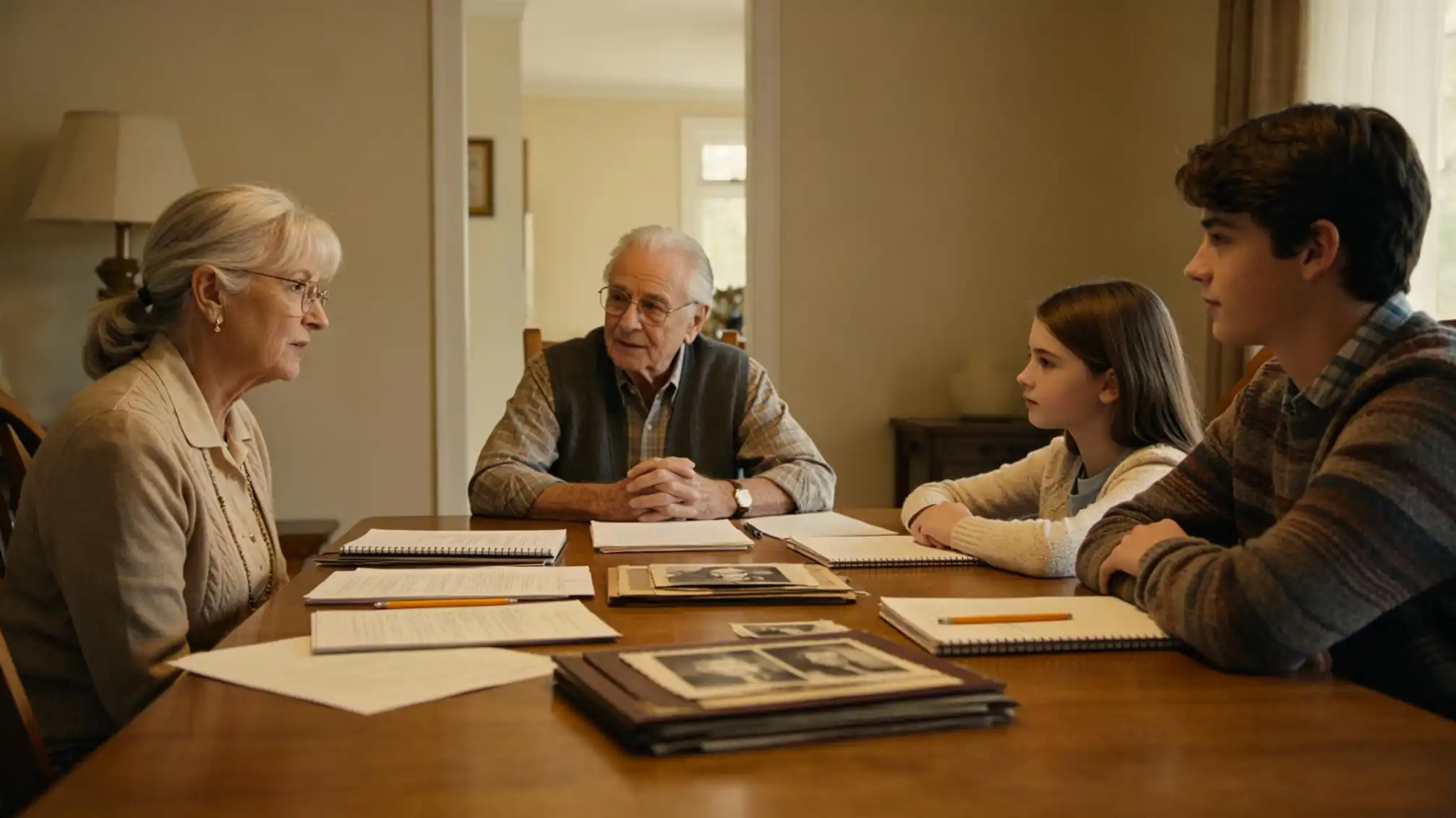
Why the Right Questions Matter More Than a Recorder
Before you press record, remember why you are doing this. Family history is not just a list of birth dates and towns. It is a collection of small moments that shaped who your relatives became. When you ask thoughtful, specific questions, you show that you care about their personal experience, not just the facts. That simple shift can crack open a conversation that lasts for hours.
Start with the Everyday, Not the Epic
Grand events like weddings, hurricanes, or wars are easy to mention, but they rarely reveal the texture of daily life. Instead, ask about routines, food, and the tiny details that made life feel real.
- What did you eat for breakfast on a normal school morning?
- What did your parents do when you came home with a bad grade?
- What was the first song you ever learned by heart?
- Who was your closest friend in the neighborhood, and what did you do together?
- What was the best smell from your childhood kitchen?
These family history questions feel small, but they produce vivid answers. Before you know it, your grandmother might be describing her mother's aprons or the crackle of a radio during her afternoon chores.
Move Through Life Stages, One at a Time
People often freeze when asked to tell their whole life story. Break it into chapters so it feels manageable. Try to follow a natural timeline, but let your relative skip around as much as they want. Control is less important than flow.
Childhood and School Years
- What was your favorite game to play outside?
- Which teacher changed the way you thought about yourself?
- What did you want to be when you grew up, and why?
- What was a rule at home that you never understood?
- Did you ever get into trouble so much that your parents still talk about it?
Coming of Age
- What was your first job, and what did it teach you?
- How did you meet your close friends from that time?
- What was a piece of advice you received that made no sense until much later?
- Who was your first significant crush, and what happened?
- What did you dream about for your future at age twenty?
Marriage, Family, and Parenthood
- How did you know that your partner was the right person?
- What was the moment you first held each of your children?
- What was the hardest choice you had to make as a parent?
- What did you and your partner argue about most in your first year together?
- What is something you wanted to do differently from your own parents?
Dig Into Identity and Values
Family history questions do not always need to be about events. Some of the most meaningful answers come when you ask about beliefs, identity, and change. These prompts help your relatives reflect on who they have become.
- When did you first realize that your family was different from others?
- What is a value you were taught as a child that you still hold today?
- Has your definition of success changed over the years?
- What part of your identity has been hardest to carry?
- What made you leave a place you loved, and how did you deal with that loss?
Questions like these can feel heavy, so give the other person room to answer or skip. A pause is okay. If your grandparent tears up, do not feel that you have to change the subject. Sitting with emotion is often the most respectful thing you can do.
Use Objects and Photos to Spark Memories
Sometimes your relatives will open up more easily when they have something in their hands. Ask for a photo album, a recipe card, or a war medal. Let them lead the conversation and ask what the object means to them. If you are looking for more ways to capture these moments as a family, browse through the collection of real-life storytelling ideas at familylove.love/stories. That page is a helpful companion especially if you want inspiration for turning recorded interviews into written memories.
Keep Going When the Conversation Pauses
Every interview hits a quiet moment. Do not reach for your phone to check the time. Instead, use simple follow-up phrases that invite more detail.
- What happened next?
- How did that make you feel back then?
- Do you remember what you said to yourself in that moment?
- That is incredible. Tell me more about what the room looked like.
- How would you tell that story today?
These gentle prompts are the best tool you have for keeping a meaningful interview alive. They also show your relative that you are really listening, not just following a script.
Record Everything, But Stay Present
You have several options for recording family history conversations. A simple voice memo app on your phone works wonders. If you prefer video, set the phone on a stable surface and look at your relative, not at the screen. Asking for permission before recording is important too. Once you start, try to forget the microphone.
After the conversation, you can preserve the audio, transcribe it, or write down the best lines. If you want practical tools and templates for family history work, the help and guidance section at familylove.love/docs is a great resource to bookmark.