Genealogy is often described as the search for names and dates, but in practice it is a search for belonging. Every birth record, census entry, and faded photograph is a thread that connects you to a real person who faced real challenges. If you are new to family research, the good news is that you do not need to be a historian or a tech expert. You only need curiosity, patience, and a simple system for collecting what you find. This guide offers a fresh path into genealogy, one that respects your time and helps you build a family tree you can trust.
Start with What You Already Know
The most powerful resource in genealogy is your own memory. Begin by writing down every name, date, and place you can recall about your parents, grandparents, and great-grandparents. Do not worry about accuracy yet; the goal is to create a rough map of your family landscape. Next, interview relatives. Older family members often carry stories that are not written anywhere. Ask open-ended questions such as, “What was your grandmother’s favorite saying?” or “Where did your family live before you were born?” Record the conversation with permission, and take notes about names, locations, and family relationships. These oral histories become the backbone of your research and can later guide searches in official records.
Your Home Is an Archive
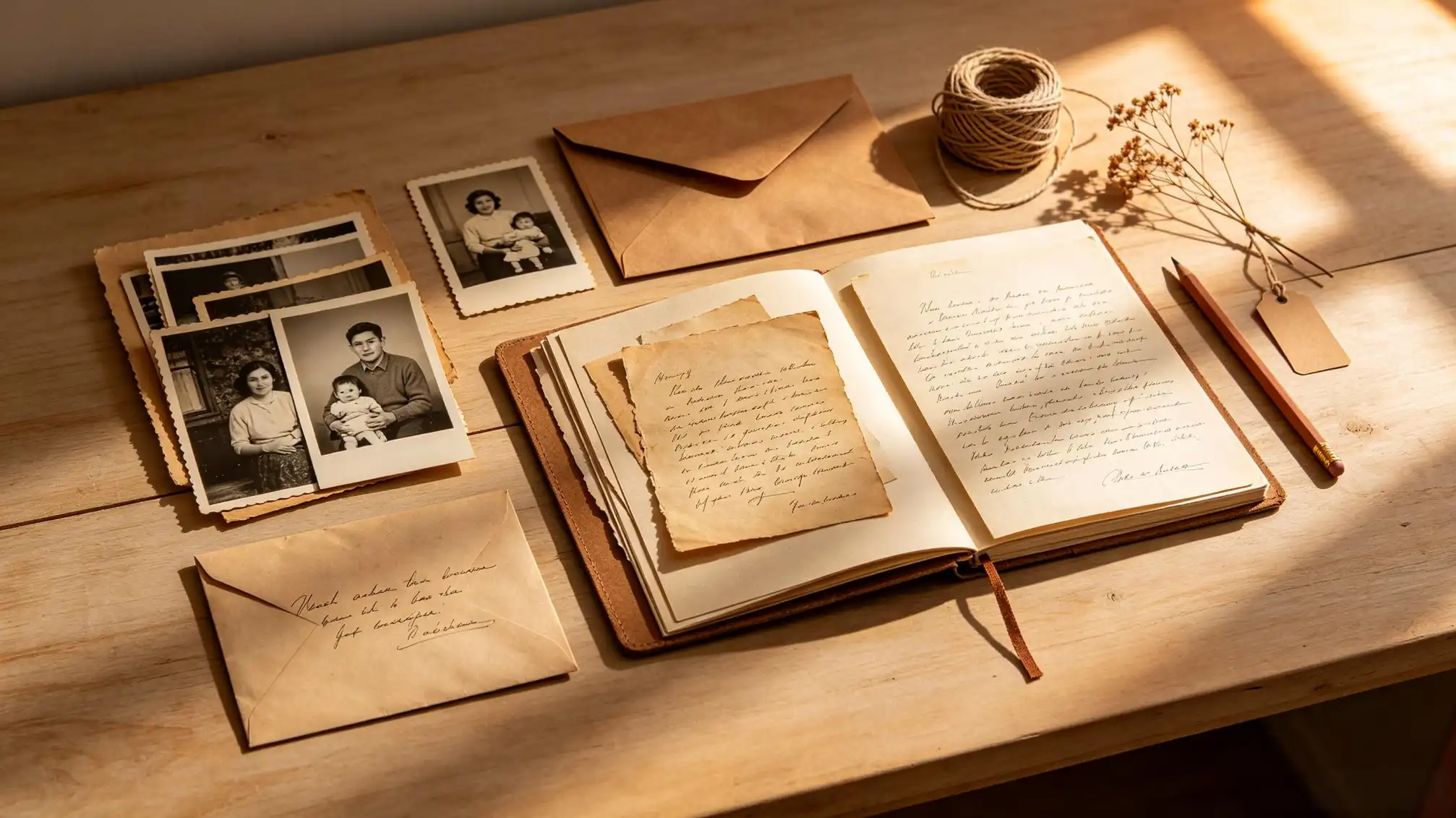
Before you search online, look in your own home and the homes of relatives. Family Bibles, birth certificates, wedding invitations, military service records, letters, diaries, and photo albums are treasure troves for family history. Old photographs, especially those with handwriting on the back, can reveal names, dates, and locations. As you gather these materials, handle them gently and keep them in acid-free folders or boxes. Preserving the originals is one of the most meaningful acts in genealogy; you are not just collecting information, you are rescuing memories.
Build Your Family Tree One Generation at a Time
Once you have collected your initial notes, it is time to structure them. Most genealogists use two basic charts: a pedigree chart that shows your direct line of ancestors, and a family group sheet that records details about one family unit. You can find free templates online or create your own simple spreadsheet. The key is to start with yourself and move backward one generation at a time. For each ancestor, record full name, date and place of birth, marriage, and death, plus any siblings or children. Do not skip generations, and do not assume a fact is true because one relative remembers it that way. Genealogy grows stronger when every connection is supported by evidence.
Work Smarter with Official Records
After you have captured the stories, turn to official records to verify and expand them. Birth and death certificates, marriage licenses, census records, immigration lists, and land deeds are some of the most valuable tools for tracing ancestors. Many of these are available through national archives, state libraries, and free or subscription genealogy websites. Start with the most recent records first because they are more likely to be accurate and easier to find. For example, if you know your grandfather was born around 1920, look for a 1930 or 1940 census record that lists him as a child in his parents’ household. Each document gives you new clues, such as a maiden name, a previous address, or a country of origin.
Add Context to Your Family History
Genealogy becomes truly fascinating when you understand the world your ancestors lived in. A census record might tell you that your great-great-grandfather was a farmer, but a history book can explain the agricultural crisis that shaped his decisions. Maps can show you how close he lived to a railroad line or a river. Military service records can reveal where he trained and fought. Immigration manifests often list the village he left behind. By combining personal records with historical context, you transform a list of names into a meaningful family history that you can share with future generations.
Connect with Others Who Share Your Passion
You do not have to do this alone. Genealogy societies, local libraries, and online forums are full of people eager to help beginners. Many volunteers offer lookups, translate old documents, or index records. You may also find distant cousins who have already researched the same branch of your family tree. Their work can save you time, but always verify their sources before adding anything to your own records. Sharing your discoveries online is also a wonderful way to keep family memory alive. If you are looking for a simple way to record and preserve your findings, visit the Family Love Stories page to see how others capture their heritage and inspire your own presentations.
Use Online Research Tools with Confidence
Online databases have made genealogy more accessible than ever. You can search thousands of records from your living room, attach digital images to your family tree, and even use DNA testing to connect with genetic relatives. However, it is important to treat online family trees with caution. Many public trees contain errors copied from one person to another. Always follow the information back to a primary source, such as a birth certificate or a census record. Save digital copies of every document you find, and note exactly where you found it, including the website, collection title, and record number. A clear citation system will save you hours of rechecking later.