Building a family tree is one of the most personal research projects you will ever take on. It is not just about collecting names and dates; it is about understanding where you come from and how the lives of your relatives shaped your own. If you are starting your first family tree, the process can feel overwhelming, but it does not have to be. With a few simple habits and the right mindset, you can create a meaningful record that will be treasured for generations.
Start with What You Already Know
Every family tree begins with a single person: you. Before you open a website or visit an archive, take a quiet afternoon to write down everything you already know. Your own birth date, birthplace, and full name are the obvious first branches, but do not stop there. Add your parents, siblings, grandparents, aunts, and uncles. Include nicknames, maiden names, and the towns where each person lived. You will be surprised how much knowledge is already stored in your memory and in old photo albums around the house.
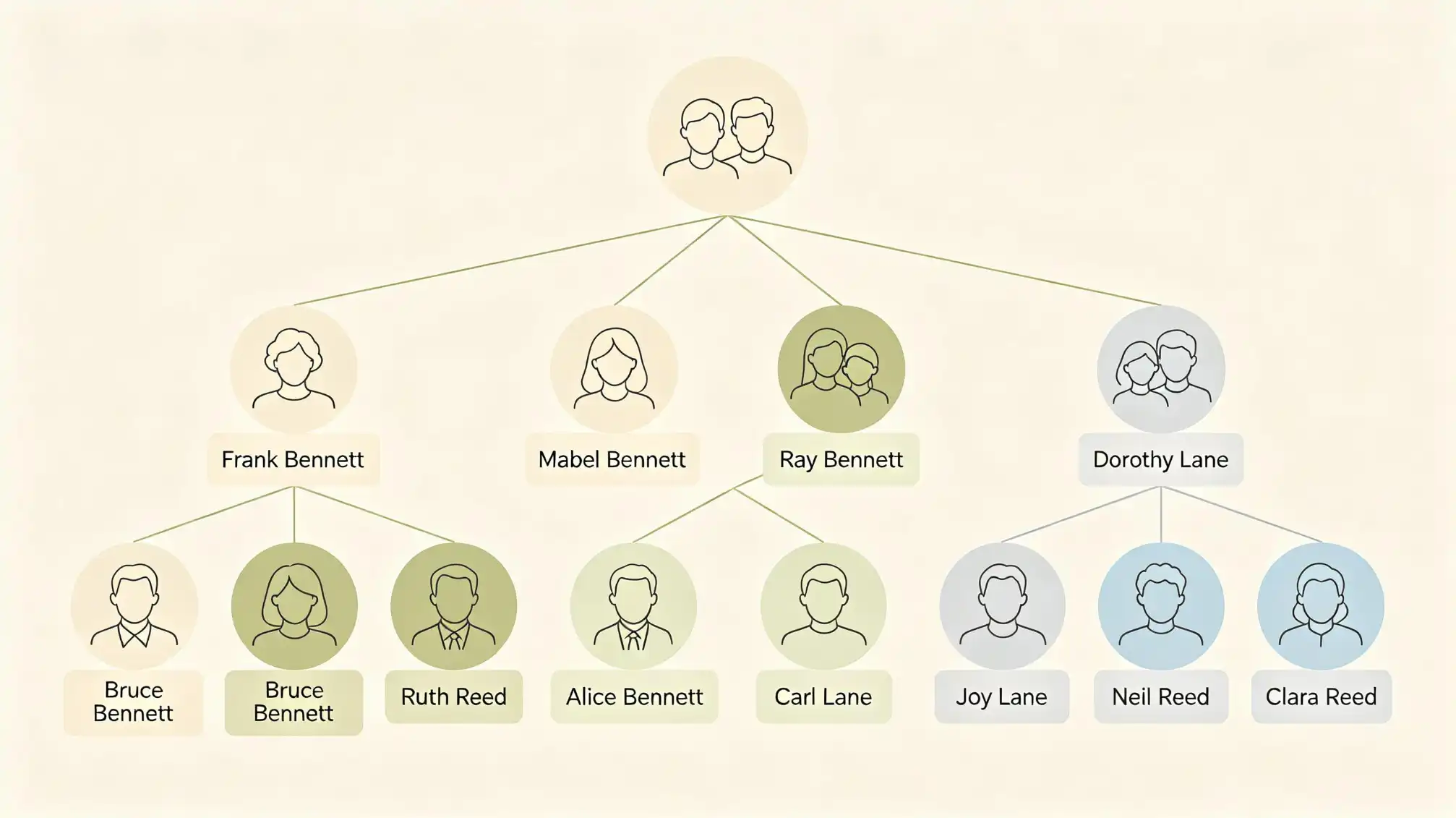
This first draft does not need to be perfect. The goal is simply to create a visual map of your known family history. You can sketch it on paper or use a simple spreadsheet. The important thing is to capture details while they are still fresh and to give yourself a clear starting point for further research.
Talk to Relatives Before It Is Too Late
Your oldest relatives are living archives. They carry stories, names, and small details that no online database can recreate. Make a list of the people you want to interview: grandparents, great-aunts, older cousins, or anyone who grew up in the same household as your ancestors. Schedule a visit or a phone call, and come prepared with open-ended questions. Ask about childhood homes, family traditions, and the circumstances that brought your family to where they live today.
As you record these conversations, be gentle and let the stories flow. Names and dates are important, but the memories around them are the reason your family tree will feel alive. After each conversation, write down the key facts and note who told you each story. This will help you later when you need to verify information or understand how two relatives are connected.
Organize Names, Dates, and Places on a Simple Chart
Once you have gathered your first batch of information, it is time to organize it into a structured family tree. Do not feel pressured to use complex software right away. A simple chart with three or four generations is enough to clarify the connections and reveal the gaps. For each person, record their full name, birth date, marriage date, death date, and the places where these events occurred. If you do not know a date, leave it blank and mark it as an open question. This makes it easier to focus your future research.
As you build your chart, you will notice patterns. Perhaps many of your relatives lived in the same county, or perhaps a family name appears repeatedly. These clues can guide your search. If you are looking for a supportive community and a place to share your progress, you might find it helpful to explore the family-focused resources available at Family Love for ideas on documenting your family relationships in a meaningful way.
Verify Every Branch with Reliable Records
Family stories are wonderful, but they are not always accurate. Birth certificates, marriage licenses, census records, and obituaries are the building blocks of a trustworthy family story. When you begin verifying the details from your interviews, start with the most recent generations and work backward. This “prove one generation at a time” method prevents you from following the wrong branch or accepting folklore as fact.
Public libraries and local historical societies are excellent places to find records that are not available online. Many also have volunteers who can help you search. As you collect documents, keep a digital copy for each relative and label it clearly. A well-organized file system will save you hours of frustration when you are trying to trace a family line.
Turn Your Family Tree into a Story
Once you have verified the names, dates, and relationships, your family tree becomes more than a list. It becomes a story about survival, migration, love, and resilience. Look for the surprising moments: a great-grandmother who crossed the ocean alone, a family business that lasted for three generations, or a cousin who changed the family name at Ellis Island. These are the details that make family history unforgettable.
Consider writing a short narrative for each major branch of your family tree. You do not need to be a professional author. Simply describe what you know and why it matters to you. Add photographs, recipes, or copies of old letters. By doing this, you transform your research into a gift that future relatives will actually want to read.