What Is a Family Tree and Why It Matters for Family History
When you first step into the world of family history, the term family tree appears everywhere. It sounds simple, but it holds far more meaning than a chart of names and dates. A family tree is a visual representation of your lineage—a living map that shows how you are connected to your parents, grandparents, and generations beyond. For beginners, it is the perfect starting point to understand not just who your ancestors were, but also how their stories shaped the person you are today.
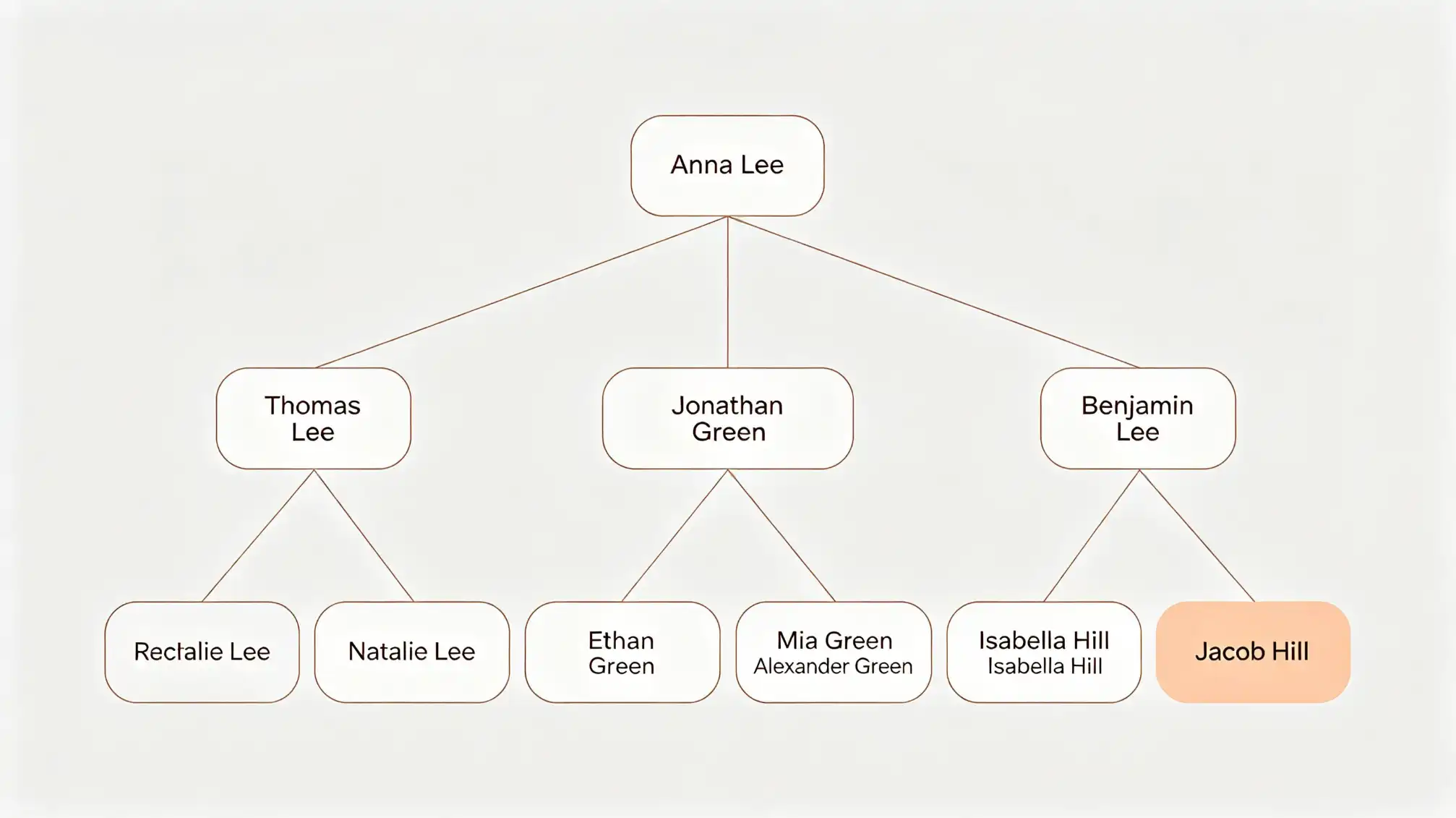
In this guide, we will explore the essence of a family tree, its role in genealogy, and how to begin your own journey into family history. Whether you are just curious or ready to dive deep, this article will give you a fresh perspective on an age-old practice.
Beyond the Branches: What a Family Tree Really Is
At its core, a family tree is a diagram that maps relationships between individuals across generations. The structure usually places you at the root or trunk, with your parents above you, grandparents above them, and so on. Siblings and cousins extend sideways like branches. But the real power of a family tree is not in its shape—it is in the stories embedded in every line.
Think of it as a narrative device. Each name represents a life lived, a choice made, a love shared. When you fill in a blank branch, you are not just adding data to a chart; you are recovering a piece of your collective identity. That is why family history enthusiasts often say that a family tree is less about documentation and more about connection.
Family Tree vs. Family History: What’s the Difference?
Many beginners confuse a family tree with family history, but they are not exactly the same. A family tree is the structural skeleton—the names, dates, and relationships. Family history is the flesh and blood: the letters, photographs, occupations, migrations, and memories that bring those names to life.
For example, a family tree might show that your great-grandfather was born in 1892 and immigrated in 1910. Family history asks: Why did he leave? What was the voyage like? What did he bring with him? Understanding this distinction will help you appreciate both the simplicity of the tree and the depth of the story. As you build your tree, you are also building a foundation for richer genealogical research.
Why Starting with a Family Tree Matters for Beginners
If you are new to genealogy, the thought of tracing all your ancestors can feel overwhelming. That is where a family tree becomes your best friend. It gives you a clear, manageable framework to organize what you already know and identify what you want to learn.
- It helps you ask better questions about your relatives while they are still around.
- It reveals gaps in your knowledge, which become research prompts.
- It creates a shareable document that can engage the whole family.
- It provides a strong starting point for using online genealogy tools.
Starting small is key. You do not need to know your entire lineage to begin. Even a simple chart with your grandparents’ names can lead to fascinating discoveries. And as you grow more comfortable, you can expand your tree into areas you never expected.
How to Build Your First Family Tree: A Fresh Approach
Forget the intimidating templates you may have seen. The best way to build a family tree is to start with yourself and work outward. Begin with three generations: you, your parents, and your grandparents. Write down full names, birth dates, birthplaces, and marriage dates if you know them. Then, talk to family members—they are living archives of your family history.
Once you have gathered the basics, you can move to public records, census data, and genealogy websites to verify and add more branches. Always keep your sources, because a well-documented tree is more reliable and more meaningful. If you are looking for a thoughtful way to involve your relatives, you might find it helpful to explore together how your family connects to the wider story of your household and ancestry. For more on nurturing those family bonds, take a look at this page dedicated to family connections.
Common Myths About Family Trees
As with any popular topic, myths surround the family tree. Let’s clear up a few so you can start with confidence.
Myth 1: You need a famous ancestor
Not at all. Every family has a story worth telling. You do not need royalty or celebrities in your lineage to make your tree valuable.
Myth 2: It must be perfect before you share
Family trees are always works in progress. Sharing an incomplete tree often sparks conversations and corrections that improve it.
Myth 3: It is just for older generations
Family history belongs to everyone. Young people bring fresh eyes and digital skills that can transform how the family keeps its history alive.
Making Your Family Tree a Living Tool
A family tree is not something you finish once and forget. It should evolve as you learn new facts, meet new relatives, or discover old letters. Consider it a living document. You can digitize it, print it, and even combine it with photographs and stories to create a multimedia family archive.
For those who love visual organization, modern software makes it easy to build interactive trees with clickable timelines and shared albums. But even a simple notebook and pencil work wonders. The method matters less than the intention: to remember, honor, and understand your ancestors.
Connecting Generations Through Your Tree
Every time you add a name to your family tree, you create a bridge between generations. You are telling your children and grandchildren that they belong to something larger than themselves. This act of remembering is a powerful gift.
When you encounter a relative you never met, you may feel a strange sense of closeness. That is the magic of genealogy. The family tree becomes a mirror of resilience, love, and survival. It reminds you that you are not alone; you are the continuation of a long line of people who faced their own challenges and joys.