Grandparents Family History: How to Ask, Listen, and Preserve the Stories That Matter
There is a certain magic that fills the room when a grandparent begins a sentence with, “When I was your age…” Suddenly, you are transported to a different world—one with soda fountains, handwritten letters, cold war sirens, or country roads that no longer exist. Those memories are more than just interesting anecdotes. They are the threads of your family quilt, and if you do not collect them now, they may be lost forever.
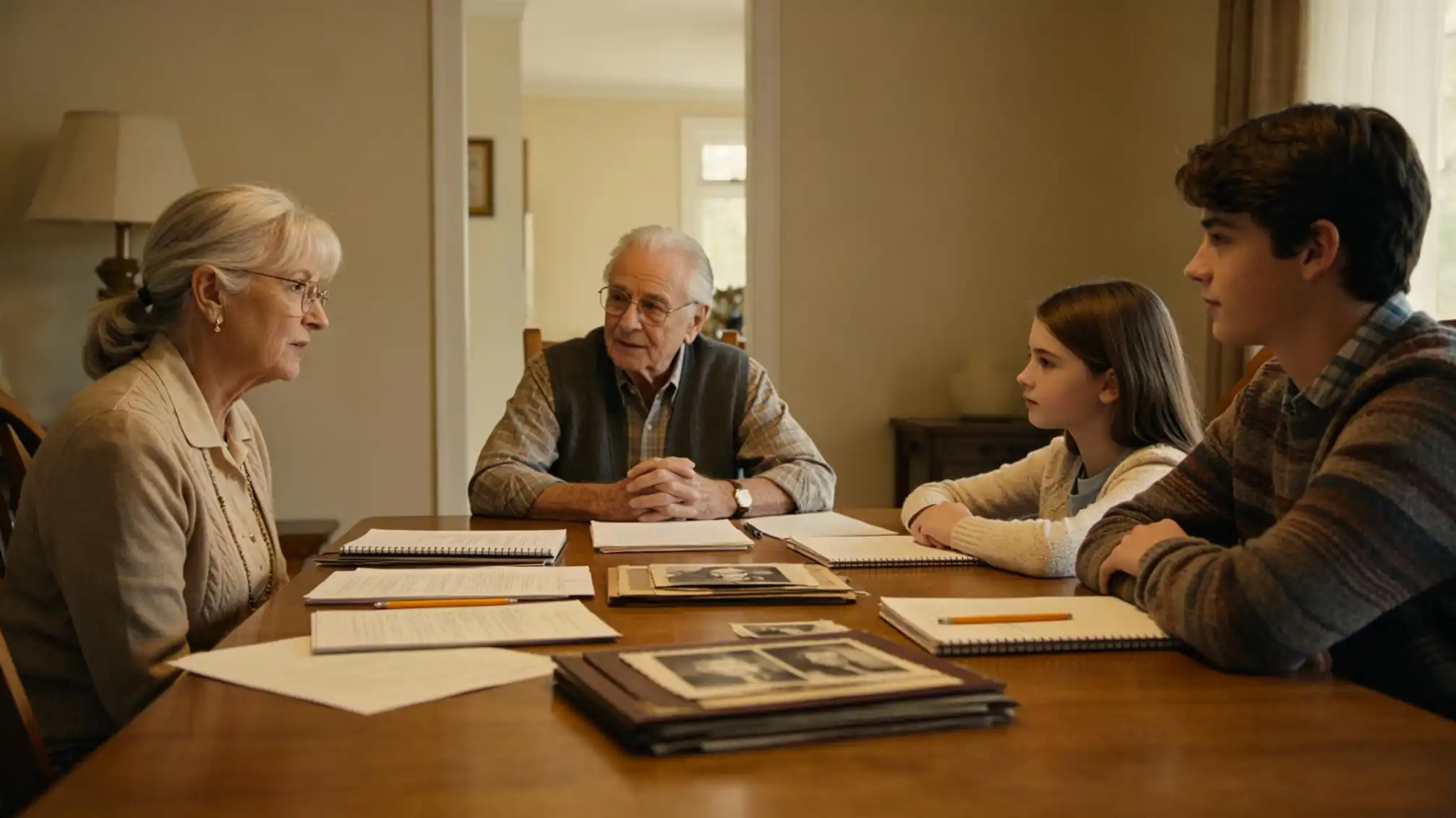
Collecting your grandparents family history does not have to feel like a formal interview. It can be as natural as sitting at the kitchen table with a cup of tea, a voice recorder on your phone, and a heart full of curiosity. The key is to ask the right family history questions in a way that feels warm and unhurried.
Why Oral History Matters More Than You Think
Genealogy charts give you names, dates, and places. But they do not give you the sound of your grandfather’s laugh when he talks about his first car. They don’t capture the way your grandmother’s eyes soften when she remembers her mother’s Sunday cooking. Your relatives hold living history, and when you take the time to listen, you build a bridge between generations.
You might also discover surprising connections—a great-uncle who immigrated with nothing but a suitcase, a grandmother who was the first woman in her town to drive, or a family legend that turns out to be completely true. These stories shape your identity and give your children a sense of belonging.
Setting the Scene for Meaningful Conversations
Before you begin asking questions, think about the environment. Grandparents often open up more easily when they feel comfortable and relaxed. Choose a quiet afternoon, prepare their favorite snack, and let them know you are simply curious about their life. Turn off the television and put your phone on silent—unless you are using it to record, in which case, make sure it is on airplane mode and plugged in to avoid interruptions.
Start with a few easy prompts, like, “What was your neighborhood like when you were ten?” or “Who was your best childhood friend and what did you do together?” Simple questions like these can open the floodgates.
Categories of Family History Questions That Work
If you are wondering what to ask, you are not alone. Many families worry that they will run out of topics or accidentally bring up painful memories. Here are several categories of family history questions designed to be gentle, engaging, and rewarding.
Childhood and School Days
- What did you do for fun before television and smartphones?
- What was your favorite subject in school, and who was your favorite teacher?
- What chores did you have at home, and did you get an allowance?
- What is the most mischievous thing you did as a kid?
Teenage Years and Young Adulthood
- What kind of music did you listen to, and did your parents approve?
- How did you meet your best friend in high school?
- What was your first job, and how much were you paid?
- Did you ever have a nickname that only certain people used?
Love, Marriage, and Family Life
- How did you meet your spouse, and what was your first date like?
- What did your parents think of them at the beginning?
- What was the day each of your children were born—what do you remember most?
- What is a funny or chaotic moment from raising a family that still makes you laugh?
Culture, Traditions, and Heritage
- What traditions did your family celebrate that we no longer do?
- What languages were spoken in your childhood home?
- Are there any foods that remind you of your mother’s kitchen or your father’s garden?
- Can you recall a story that your own grandparents told you about their grandparents?
Challenges and Resilience
- What was the hardest moment in your life, and how did you get through it?
- Who helped you when times were tough?
- What is something you once thought was a tragedy but later turned out to be a blessing?
Wisdom and Life Lessons
- If you could give your 20-year-old self one piece of advice, what would it be?
- What are you most proud of that you have never told anyone?
- What do you want future generations to know about who you really were?
Turning Answers into Family Stories
Sometimes your grandparents will drift off-topic or tell the same story twice. That is perfectly okay. Let them wander, because those detours often lead to the most unexpected treasures. After each recording session, write down a few notes about the mood, the setting, and any special details you noticed. You can later turn those recordings into short written vignettes or a family memory book.
If you share clips or transcriptions with your extended relatives, you may even inspire cousins or siblings to start their own conversations. A single story can ripple across the whole family.
For extra inspiration, visit the family stories section on our site, where you will find more ideas for preserving memories and celebrating your loved ones.
Recording Tools and Simple Technology
You do not need a fancy studio to record grandparents family history. A modern smartphone with a voice memo app is enough. If you want better sound quality, consider a small external microphone that plugs into your phone—it is affordable and makes a big difference. Sit across from your grandparent at a table, place the phone between you, and make sure your own voice is also audible so you can later remember what you asked.
Always ask for permission before recording. Most grandparents will be honored, but a few may feel shy. Explain that you simply want to remember their voice and stories, and that they can pause or stop whenever they want. Also, back up your recordings to a cloud service or an external hard drive immediately after each session.
What to Do With the Recordings
Once you have collected a few interviews, you can create a lasting archive. Transcribe the recordings using a free speech-to-text tool, then edit the text for clarity. Compile the stories into a bound book, a digital album, or even a private podcast for family members. Some families choose to embed QR codes inside a printed photo album, linking each photograph to the moment the grandparent talks about it. That is a beautiful, modern way to bring family stories to life.
Handling Delicate Memories
Not all memories are happy. Some grandparents experienced war, loss, displacement, or hardship. If they become emotional, do not push. Let them take a break, offer them comfort, and reassure them that you are grateful for whatever they choose to share. Sometimes, simply sitting in silence and holding their hand is the most respectful response. Your presence is a gift, and the fact that you care enough to ask is already a sign of love.
If a painful story is unfinished, it is okay to come back to it another day. The goal is not to pry; it is to honor their life.
Keep the Conversation Going
One conversation is rarely enough. Plan multiple short sessions rather than one long interrogation. After each visit, send your grandparents a hand-written note thanking them for sharing, and mention one specific memory you loved. This encourages them to reflect, and they will often remember new details by the time you meet again.