Grandparents Family History: A Fresh Way to Ask, Listen, and Keep Their Stories
There is something magical about sitting down with your grandparents and letting the afternoon drift into stories you have never heard before. You may think you know their lives, but oral history is a living thing, and every conversation can uncover a new layer. The secret to collecting your grandparents family history is not a long list of formal inquiries; it is learning how to make them feel comfortable, curious, and delighted to share. When you approach it as a shared adventure rather than an interview, the memories will flow naturally.
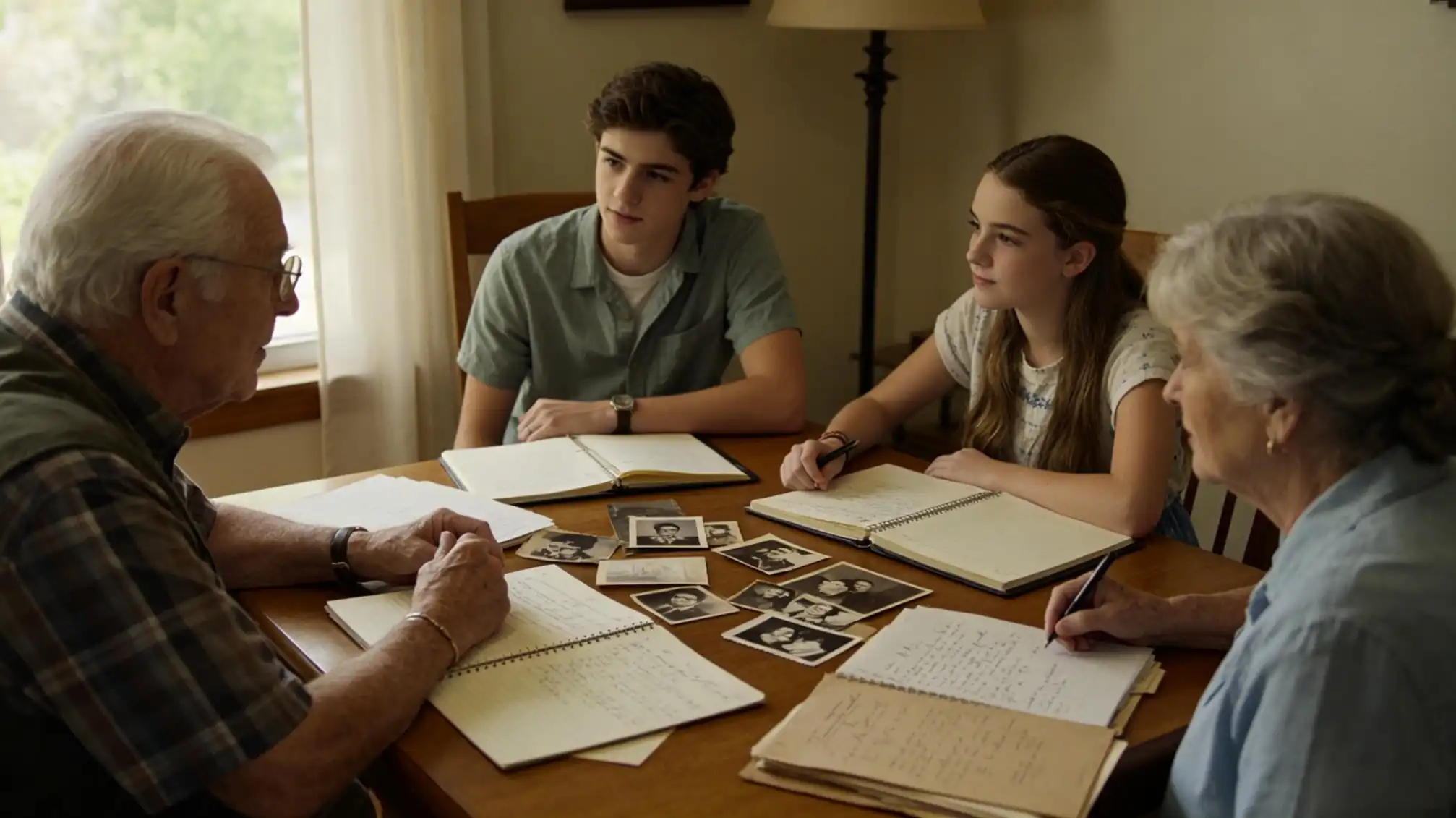
Start With a Warm Invitation
Forget the clipboard and the checklist. Start by telling your grandmother or grandfather why their memories matter to you. Say something like, “I have been thinking about how different life was when you were young, and I would love to hear your own words about it.” This small opening makes it personal, not like a school project or a genealogy interrogation. Let them know they are the expert and that you want to learn from their lived experience.
The Heart of the Story: Everyday Life Details
Instead of asking about dates and names first, lean into the texture of daily life. Questions about grocery shopping, playing outdoors, or how a typical Sunday smelled will often unlock stories that a simple timeline never could. Try prompts like:
- What did your family eat for dinner on a regular Tuesday night?
- What sounds did you wake up to when you were ten years old?
- What was the proudest moment you remember from your first job?
- How did you and your best friend meet, and what mischief did you share?
These family history questions feel more like gossip from the past, and they invite your grandparents to paint scenes rather than recite facts.
Family Traditions and Relatives
Every family has a treasure trove of traditions, and your grandparents are the keepers of the flame. Ask them about holidays, meals, or special sayings that have been passed down. You might ask, “Who in our family made the best pie, and what made it so special?” or “What did your own grandparents teach you that you still use today?” These questions often surface stories about relatives you never met, turning old photographs into living people. As you talk, you will notice that the family tree becomes less a chart and more a web of affection, quirks, and goodhearted arguments.
Capture the Emotion Behind the Facts
Your grandparents family history will be richer if you pay attention to how they feel when they remember. A simple follow-up like “How did that make you feel then?” or “What would you do differently if you could?” can add whole dimensions to a story. Emotions are the glue that makes generations feel connected. Do not rush to the next topic. Sit with the silence, because a quiet moment sometimes leads to the deepest remembrance.
Use a Simple Recording Setup
You do not need professional equipment. A modern smartphone with a lapel microphone or even just the built-in recorder is more than enough. Place the phone gently on the table between you, but do not make it the center of attention. The goal is to catch the warmth of the voice, the laughter, and the little pauses. If your grandma gets shy, just remind her that this is for your ears and for future generations. When you play a recording back later, you will be amazed at how much you missed while you were nodding along.
If you want to go a step further, turn some of these recordings into written family stories. You can organize them by theme, like “mama’s childhood summers” or “dad’s first car,” and share them with the whole family. A wonderful place to gather these story collections is familylove.love/stories, where you can preserve the memory and pass it on to cousins and younger siblings.
How to Keep the History Alive
Collecting your grandparents family history is only the beginning. The true gift is keeping the stories alive for the next generation. After each conversation, write a thank-you note or send a voice message to your grandparent, telling them one specific thing you loved from the session. This reinforces their effort and leads to more openness next time. You could also start a small family history night where everyone brings an object or a photograph and tells the story behind it. The more you share, the more these memories become a living family language.
Remember to ask permission before sharing anything publicly. Some stories are deeply personal, and your grandparents might be comfortable telling only you. Honor that trust, and reserve their privacy when you post online. The act of listening is itself a form of love, and the recordings you keep are a tangible reminder of that love.