Beginner Genealogy: Start Your Family History Journey With Confidence
Genealogy is more than a list of names and dates. It is the art of turning scattered records into a connected story about your ancestors. For newcomers, the world of family research can feel overwhelming, but with a few genealogy basics in hand, you can begin building your family tree with clarity and confidence. This guide walks you through the essential first moves, from gathering home sources to organizing your discoveries and sharing them with the people who matter most.
Why Genealogy Matters in a Digital Age
We live in a time of instant information, but family history still depends on careful thinking. Many new researchers assume that ancestry websites will simply deliver their family tree in minutes. In reality, genealogy is a skill that combines curiosity, patience, and verification. When you research your family history, you learn to ask better questions, evaluate evidence, and appreciate the lives of the people who came before you.
The benefits go beyond personal satisfaction. Knowing your family background can strengthen your sense of identity and belonging. It also gives you a deeper connection to holidays, traditions, and even inherited traits you may have wondered about. As you begin, remember that the goal is not to find every ancestor at once, but to build a reliable foundation you can expand over time.
Start With What You Already Know
Before searching online, open a notebook or a document on your computer. Write down your full name, birth date, birth place, and then do the same for your parents, grandparents, and any relatives you know. This is the first step in beginner genealogy: creating a starting point. You may realize that you know more than you thought, and the gaps in your knowledge become your first research questions.
Talk to family members, especially older relatives. Ask them about their parents, childhood homes, schools, jobs, and family stories. Do not worry if the memories are incomplete or even contradictory. Those contradictions often point to interesting research challenges. Treat every conversation as a clue, and record what you hear with the date and source, so you can evaluate it later.
Organize Your Family Tree as You Go
One of the best genealogy basics is to stay organized from the first day. You can use paper pedigree charts, spreadsheets, or software tools, but the important thing is consistency. A family tree starts with you and branches outward. Each person in your tree should have a unique record with their vital details and a clear connection to parents, siblings, and children.
When adding names, include sources. If your mother told you her grandmother was born in Ireland, write that down and note that the source was your mother. Later, you can look for birth certificates, census records, or passenger lists to confirm or correct that information. This habit makes your family history trustworthy and easier for others to build upon.
Use Home Sources Before Online Databases
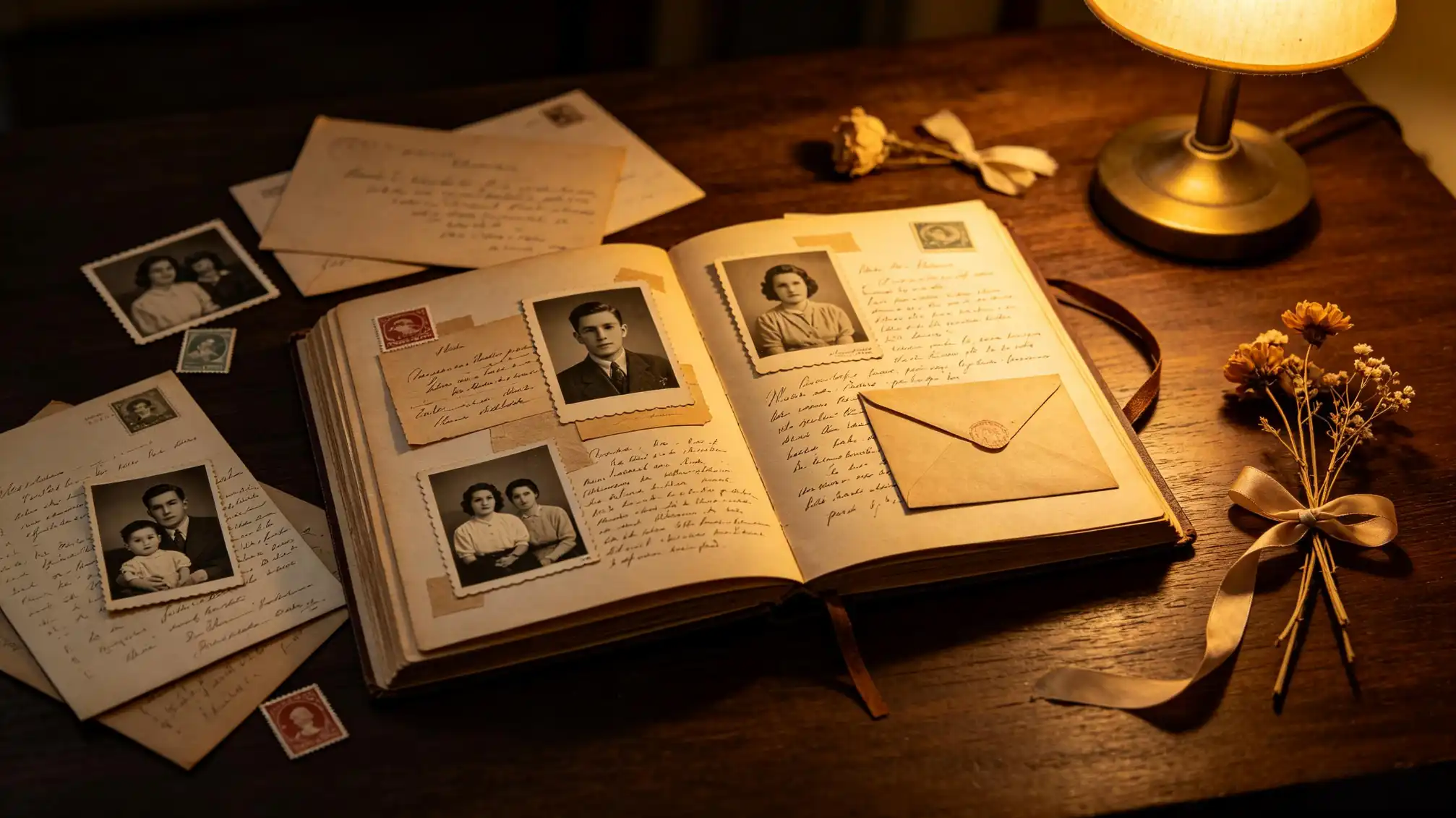
Your own home is a treasure chest of genealogical evidence. Look for birth and marriage certificates, old letters, diaries, photo albums, obituaries, and family Bibles. These objects often contain names, dates, and places that are not recorded anywhere else. When you find a document, photograph it or make a high-quality scan, then store the digital copies in a folder labeled by surname and location.
This step is especially important because original records can fade, get lost, or be damaged. By digitizing them now, you are already contributing to the preservation of your family history. If you discover a compelling family story or a set of old photographs, consider sharing it on the family stories page so relatives and future researchers can enjoy it too.
Explore Public Records to Find Ancestors
Once your home sources are organized, you can move to public records. Census records, birth and death indexes, marriage licenses, military records, and immigration documents are common starting points. Many libraries and archives offer free access to these collections, and online genealogy platforms often have searchable databases. As a beginner, focus on one ancestor or one family line at a time to avoid confusion.
When searching for ancestors, start with the most recent generation and work backward. This is a proven genealogy strategy because records are more plentiful and easier to read for the twentieth century. If your goal is to find the birthplace of a great-grandparent, first locate the family in a census record, then look for the birth or baptism record of that great-grandparent.
Reading Records Carefully
Records are not always accurate. Names can be spelled differently, ages may be off, and even places can be confused. The key is to compare multiple documents and look for consistent clues. For example, a person’s occupation, neighbors, or household members can help you distinguish your ancestor from someone with the same name. Always record the exact spelling you see in each source, even if it looks wrong.
Build a Research Log to Keep Your Family History Straight
A research log is a simple table where you track every search you perform: the database you used, the search terms, the date, and the result. This is one of the most valuable genealogy basics because it prevents you from repeating searches and helps you document your family history with confidence. It also makes it easy to pause and later pick up where you left off.
You can create a research log in a notebook, spreadsheet, or a dedicated genealogy app. For each ancestor, record the goal of your research, the evidence you have found, and the next question you want to answer. Over time, this log becomes the backbone of your family tree project.
Connect With Others Who Share Your Ancestors
You do not have to do all the work alone. Family history societies, local libraries, and online genealogy groups are full of people who are happy to help beginners. You may also find distant relatives who have already done extensive research. Consider joining a forum or a social media group focused on the town, state, or country where your ancestors lived.
When you collaborate, always be respectful of others’ work. Ask for source citations and share your own findings freely. Collaboration accelerates research and often leads to connections to a wider family tree. If you find a wonderful family narrative or a collection of old photos that should be remembered, the family stories page> is a great place to keep it alive.
Preserve and Share Your Discoveries
As your family history grows, think about how you will preserve it for the next generation. Digitize important documents, write stories about the people you have found, and create a simple family tree chart that can be printed or shared online. You do not need to be a professional archivist; clear labels and secure backups go a long way.
Sharing your discoveries with relatives can also bring new information to light. A cousin may fill in a missing birth date, an aunt may identify a face in an old photograph, and a grandparent may confirm a family legend. These conversations make genealogy a living, shared practice rather than a solitary hobby.
Common Beginner Mistakes to Avoid
- Assuming that an online family tree is correct without checking sources.
- Searching for a surname before gathering basic vital information about the person.
- Mixing up people with the same name who lived in different places.
- Forgetting to record where a piece of information came from.
- Becoming discouraged when the first search does not find an ancestor.
Stay Curious, Stay Patient
Genealogy is not a race. Some ancestors will be easy to find, while others will remain hidden for years. The joy of family history comes from the small discoveries, the surprising connections, and the growing picture of your family’s journey. By following these genealogy basics, you are already ahead of many beginners who get lost in clicking through records without a plan.
Remember that every ancestor, no matter how little you know about them, deserves to be remembered. Start with your own name, ask the people you love, and let your family tree grow branch by branch.