How to Begin Recording Your Family History: A Gentle, Practical Guide
There is a moment in every family when someone suddenly realizes the stories are fading. A grandmother's laugh, a grandfather's wartime escape, a great-aunt's recipe—these details rarely live in official records. They live in memory, and memory needs a keeper. Recording your family history is not about producing a perfect archive. It is about paying attention, asking questions, and saving what matters before it slips away.
The idea may feel overwhelming. Where do you start when there are generations of photographs, untold anecdotes, and branches of the family tree you barely know? The answer is simpler than you think: start with what is already in your hands and let curiosity guide the rest.
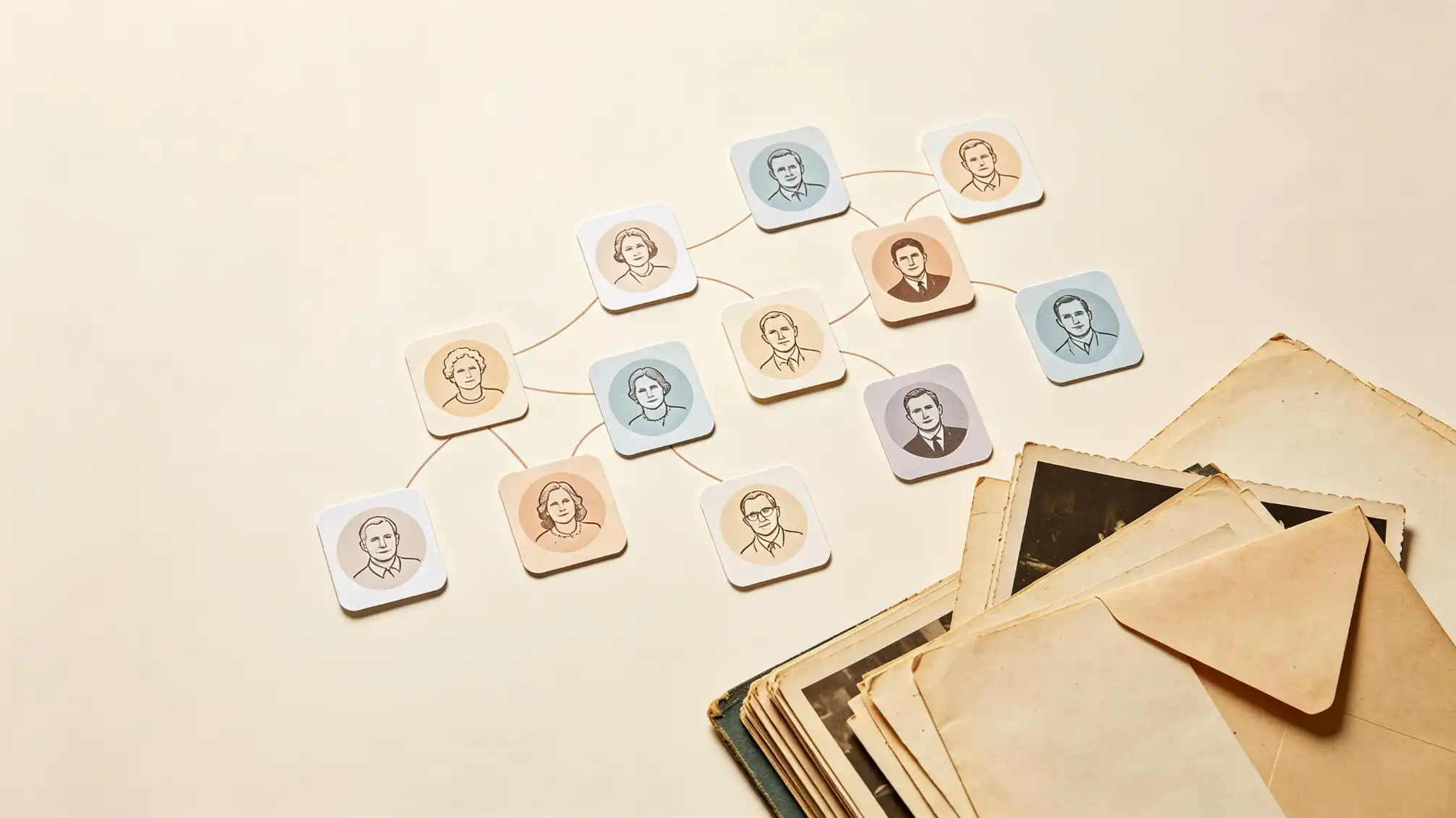
Begin with What You Already Have
Before you buy a subscription to a genealogy website or schedule formal interviews, take a humble inventory. Look around your home for the physical traces of your family's journey: shoeboxes of photographs, letters tied with ribbon, birthday cards, baptism certificates, pressed flowers inside old books, and the back of a framed portrait with a name and a date scrawled in fading ink.
These objects are not just keepsakes. They are clues that help you build the scaffold of your family tree. Gather them in one place and sort them lightly. Label what you can identify and keep a notebook for questions. You may not know who the woman in the wide-brimmed hat is, but your aunt probably does. That question becomes the seed of a conversation.
Turn Family History into Family Stories
Dates and places are the bones of family history, but the stories are the heartbeat. A name on a census record becomes compelling only when you know that your great-grandmother ran a boarding house during the Depression, or that your uncle once rode a horse across three counties to deliver a letter.
To capture family stories, you need to become a quiet interviewer. Ask open-ended questions that invite people to wander through their memories. Try not to interrupt with corrections or your own recollections. Let a pause breathe—often the best stories come after a moment of silence.
Here are a few prompts to get you started:
- What is your earliest memory of your grandparents?
- What did your parents do for a living, and how did that shape your childhood?
- What family tradition do you hope we never stop?
- What do you remember about the house you grew up in?
- Who in our family would you love to have known better?
Record the conversation with your phone. Future generations will treasure the sound of a voice far more than a perfect transcription. Ask for permission, of course, and then simply listen.
Build a Family Tree One Branch at a Time
Your family tree does not need to be assembled in a weekend. Begin with yourself and your siblings, then add parents, grandparents, and great-grandparents. Work backward in small steps. Ask relatives to confirm names and dates, and be gentle when memories disagree—document the uncertainty and move on.
Look for patterns in the clues you collected. Census records, immigration documents, marriage licenses, and even old city directories can fill in details. But remember that official records are just markers. The real story lives in the spaces between the documents: why did the family move in 1923? What made them choose that particular town? Those questions lead you back to interviews and shared memories.
If you hit a wall, set the research aside for a while. Sometimes the missing piece appears in a distant cousin's storage room or after a holiday dinner conversation. Patience is part of the practice.
Organize What You Collect
As your collection grows, so does the need for order. You do not need a complex filing system at first. A simple folder on your computer labeled Family History can hold scanned images, audio files, and notes. Keep a physical folder for originals, and never store irreplaceable items in direct sunlight or damp basements.
Make a habit of writing down who gave you a story and when. That context may seem obvious now, but in ten years it will be invaluable. If you digitize old photographs, name the files with the known details, such as Smith_Anna_1930s_Chicago.jpg. This small step will save you hours of confusion later.
Share the Stories So They Live
Family history is not meant to sit in a box. It grows stronger when it is shared. The next time your family gathers, bring out a few photographs and ask people to talk about them. You will be surprised by how quickly one memory sparks another. Invite younger family members to record their own impressions, because their perspective is part of the legacy too.
If you are looking for a beautiful way to share your collected family stories with relatives, consider creating a dedicated space online. A private family stories page allows everyone to contribute their own memories, photos, and voice notes, no matter where they live. It turns the project from a solo task into a living conversation among generations.
Remember that you do not need to finish this work in a month or a year. Recording family history is a continuous act of love. You are making space for your ancestors to be known and for your descendants to know where they come from.