Why Preserving a Person's Life Story Is Important: A Beginner's Guide to Family History
If you have ever looked at an old photograph and wondered who the person was, you already understand the pull of family history. A birth date, a marriage record, and a list of names on a family tree tell you who existed. But they do not tell you who they were. Preserving a person's life story is important because it gives the next generation a sense of identity, belonging, and resilience that no document can provide.
The most powerful family history records are often not the ones in a museum. They are the ones you create by sitting down with the people you love and asking them to share a moment, a place, or a feeling that still lives inside them. For beginners, this may feel like a huge task. Where do you start? Whose story do you record first? The good news is that you do not need a professional genealogist or an expensive kit. You need curiosity, a quiet conversation, and a simple way to save what you hear.
Family History Is More Than a Collection of Dates
Many people begin with genealogy. They trace their ancestors across census records, birth certificates, and immigration papers. This is valuable work, but it is only one layer. Family history, in the fuller sense, includes the memories, struggles, jokes, recipes, and everyday routines that made your relatives unique.
Think of a family tree as the bones of your heritage. A life story is the breath that fills those bones. When you ask your grandmother about her first job or your uncle about the summer he spent on a farm, you are collecting the texture of a life. That texture cannot be recovered from a government database. It lives only in the minds and hearts of the people who experienced it.
What a Life Story Reveals That a Family Tree Cannot
A family tree shows how branches connect. It can tell you that your great-grandmother was born in 1888 and immigrated in 1903. But it cannot tell you what she feared, what she hoped for, or how she stayed strong through hardship. Those details come into focus only when you collect an individual narrative.
You may learn that your great-grandmother delayed her wedding by a year to help raise her younger siblings. You may discover that your grandfather taught himself to read using old newspapers. These are the stories that shape how your family understands itself. They are also the stories that reveal how ordinary people made meaningful choices in difficult times.
They also have a real psychological effect. Research on family storytelling shows that children who know their family's stories have a stronger sense of control and resilience. When a child hears about the challenges an ancestor faced and overcame, the child learns that difficulties are survivable. That quiet confidence is one of the most practical gifts you can pass on.
The Emotional Weight of Being Remembered
There is another side to preserving a life story that does not get enough attention. The people you interview often feel a deep sense of completion when their experiences are heard and valued. The simple act of asking a relative about their past tells them, 'Your life matters to me.' That feeling can be more meaningful than any material inheritance.
This kind of listening can also improve family relationships. It creates a moment of true attention that rarely happens in daily life. For the beginning family history explorer, this is a reminder that the process is just as much about love as it is about genealogy. When you preserve a story, you are not just saving data. You are honoring the person who lived it.
Why Your Own Story Matters Too
Do not wait until a relative is gone to think about preserving their story. It is also worth recording your own memories for your children, grandchildren, or future generations. You do not have to be old to do this. A short note about your childhood neighborhood, your first job, or the moment you met your partner can become a precious family history artifact years from now.
When you create your own record, you give your descendants a direct voice from the past. They will hear your words, understand your joys, and learn from your mistakes. That is a powerful way to keep a family bond alive across time.
How to Preserve a Life Story Without Feeling Overwhelmed
For a beginner, the thought of 'saving everything' often stops people before they begin. Instead, focus on one story at a time. Try these practical steps:
- Pick one family member and one memory. Ask them to tell you about it from beginning to end.
- Use your phone to record audio, but ask for permission first. Listen more than you speak.
- Write down the story in the person's own words, even if the sentences are not perfect.
- Scan one or two photographs that relate to the story and attach them to your notes.
- Share what you collected with the person before they leave the room. That confirmation is priceless.
Use Memory Prompts to Go Deeper
If the conversation stalls, keep a few prompts in mind. Questions like 'What was the best meal your mother cooked?' or 'What did you and your friends do for fun during the summer?' often open the door to larger stories. Avoid asking 'Tell me everything about your life,' which can feel like an impossible task. Instead, narrow the focus.
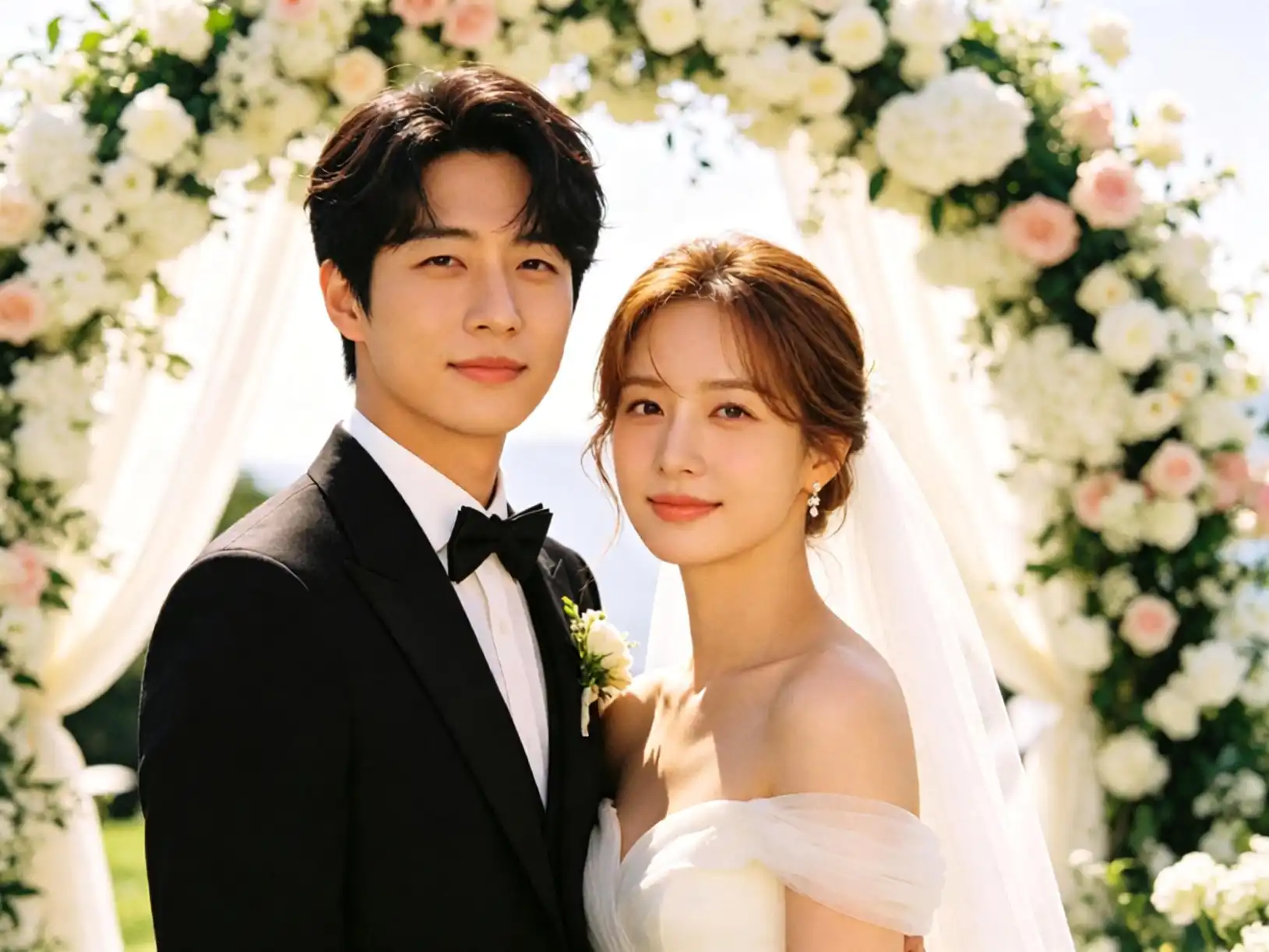
You can also use milestones like weddings and holidays as anchors. The image below shows how a single celebration can hold generations of meaning. A wedding photograph, for example, is often the perfect starting point for a story about love, family, and the hope of a new beginning.
How to Handle Gaps and Imperfect Memories
You will not get a complete, perfectly ordered life story in one sitting. Memory is selective, and older relatives may mix up dates or tell a version of a story that differs from another family member's version. That is normal. Do not correct them in the moment. The emotional truth of a story often matters more than the exact year it happened.
If you want to verify later, you can use genealogy records to compare dates and places. But remember that the story itself is the fuel. A small mistake in a date does not make a memory worthless. In fact, the way a person tells a story can reveal more about their values than a perfect timeline ever could.
From One Story to a Lasting Record
Once you have a few recorded conversations, decide how you want to keep them. Some families create a private digital archive with folders for each person. Others write a simple memory book and print a copy for each branch of the family. There is no single correct format. The important thing is that the story is written, recorded, or saved in a place that can be found later.
If you are ready to go a step further, you can connect your new story to the broader picture of your family history. Seeing that story as one chapter in a longer family narrative can be deeply rewarding. For an easy starting point, explore our family connection guide to see how everyday memories fit into a family tree.
You do not have to be a writer or a professional interviewer. You just have to care enough to listen. The person you interview may not remember every detail, but they will remember that you asked. That respect is the beginning of a lasting family history tradition.