How to Begin Recording Your Family History
Every family carries a collection of moments — some whispered across kitchen tables, others tucked into dusty photo albums. Recording your family history is about gathering these fragments into a story that can be held, passed down, and treasured. Whether you're motivated by curiosity, a desire to connect with ancestors, or the hope of leaving something meaningful behind, beginning is simpler than you think.
Start With What You Already Know
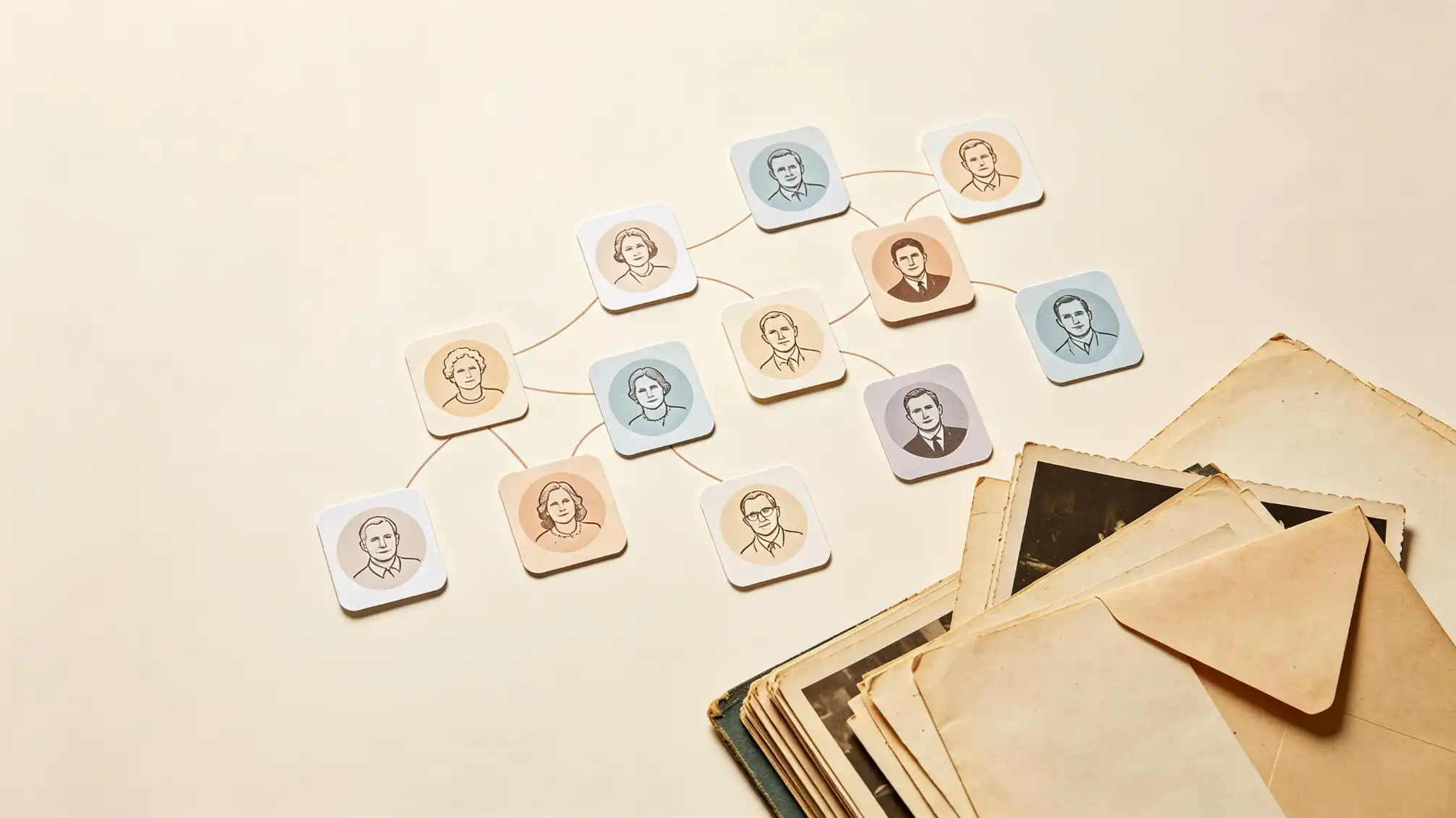
Many people believe they need to trace their lineage back centuries before they can call themselves family historians. In truth, the richest resource you have is your own memory and the memories of those around you. Begin by writing down everything you already know: your parents' names, your grandparents' occupations, the towns where they lived, the traditions that marked your childhood. This list becomes the foundation of your family tree, and each entry is a doorway to deeper questions.
Make Listening an Invitation
The most valuable family stories often surface when you least expect them. Instead of conducting a formal interview, create an atmosphere where relatives feel comfortable sharing. Ask open-ended questions like, “What did you love most about growing up?” or “How did your parents meet?” Keep a notebook or voice recorder nearby, and let pauses happen — some of the best recollections come when people are given room to reflect. If you can, record these conversations; the sound of a loved one's voice is a treasure no written page can fully capture.
Use Simple Prompts to Spark Family Stories
Sometimes the hardest part is knowing what to ask. Try a few gentle prompts with elderly relatives or even your own children:
- What is your earliest memory of a grandparent?
- What was a typical day like when you were ten?
- Which family tradition do you hope never disappears?
- What lesson did an ancestor teach you without ever saying a word?
These questions do more than gather facts — they invite reflection and often lead to unexpected tales of resilience, humor, and love.
Turn Photos and Documents Into Clues
Old photographs are not just images; they are evidence of a life. Look at the clothes, the hairstyles, the furniture, the landscape — every detail tells something about the time and place. Write the names and dates on the back of photos if you know them, and note who might be able to identify unknown faces. Letters, recipes, and even receipt stubs can reveal how your ancestors lived. As you collect these pieces, organize them by family line or by year. This small habit will save you hours later.
Build Your Family Tree One Branch at a Time
The idea of a complete family tree can feel intimidating, so focus on one branch. Start with your parents, then move outward to grandparents and great-grandparents. Use simple online tools or even a large sheet of paper. Each time you add a name, add a date and a place if you have it. Remember that genealogy is not a race; tracing ancestors is a journey that values depth over speed. You may discover that a great-great-grandmother's birthplace changes the way you see your own identity.
Bring Family Stories Into a Shared Space
Recording your family history should not be a solo project. Relatives can fill gaps, correct memories, and offer their own perspectives on events you thought you knew. Once you have a few pages or recordings, consider sharing them on a dedicated family page at FamilyLove Stories, where others can add their recollections. This turns your quiet project into a living conversation that grows richer with every contribution.
Keep It Alive, Not Perfect
Your family history will never be perfect — and that's exactly what makes it human. Gaps, contradictions, and half-remembered tales are part of the texture. Give yourself permission to record what you know and mark what you don't. Future generations will value your honesty more than a perfectly polished narrative. The goal is not to produce an official archive but to keep your family’s voice alive.