Family Tree Basics: How Mapping Your Ancestors Unlocks Family History
When you begin exploring your family history, one of the first things you will hear about is a family tree. It is a visual way to organize your relatives across generations, but it is also much more than that. A family tree gives you a place to collect names, dates, places, and relationships, and it creates a foundation for deeper genealogy research. Whether you are just curious about your grandparents' childhood or you want to trace your lineage back centuries, starting with a family tree is the clearest path forward.
For many beginners, the phrase "family tree" brings to mind an old chart with branches and leaves. In practice, a family tree can take many forms: a simple handwritten chart, a spreadsheet, or a digital application. All of them serve the same purpose. They help you see how your ancestors are connected to you and to each other.
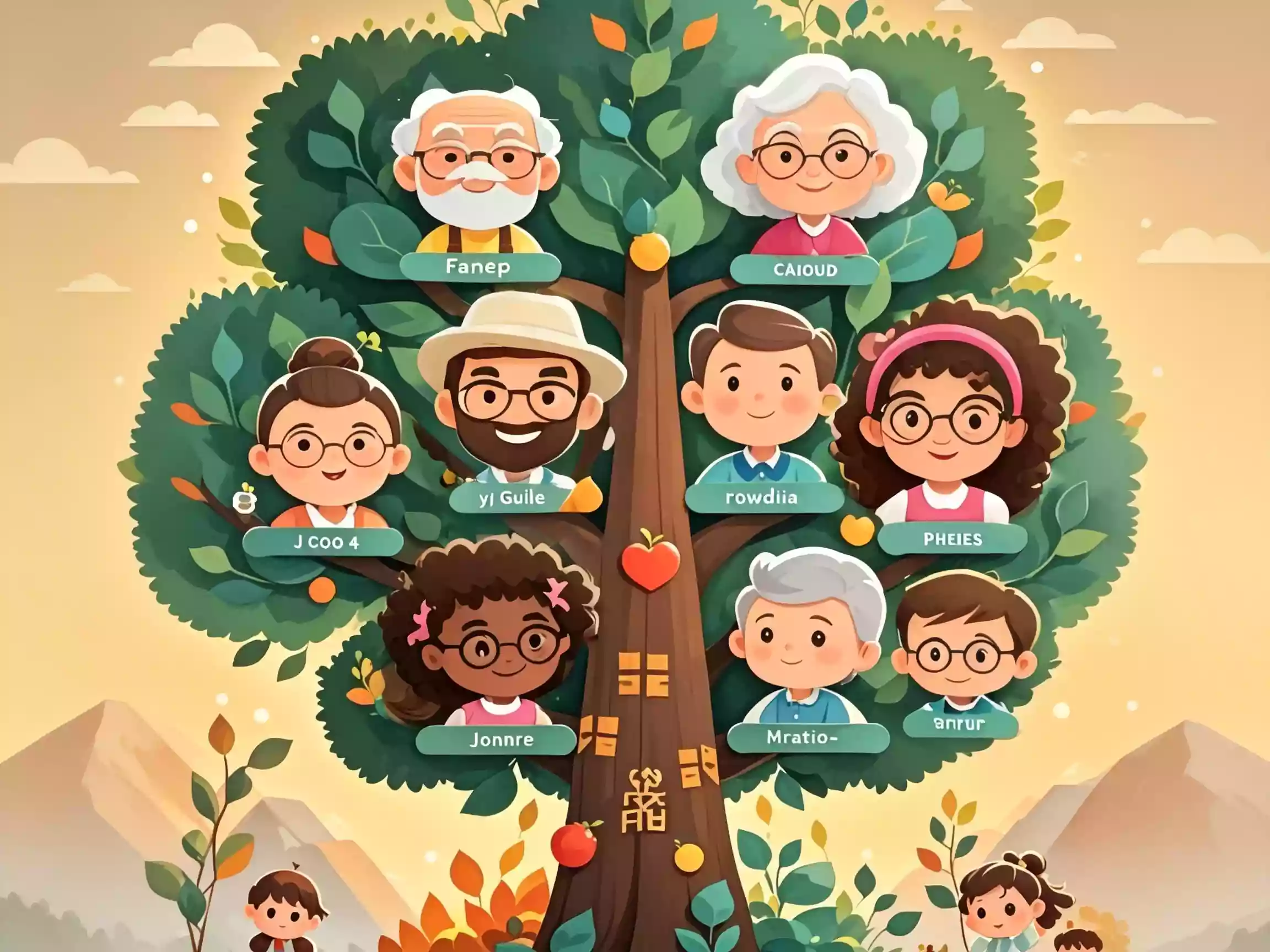
Why a Family Tree Is the Foundation of Family History
Family history is a broad term. It includes stories, documents, photographs, traditions, and even genetic information. A family tree is the skeleton that holds these pieces together. By placing each person in a specific position, you begin to see patterns: census records, migrations, naming traditions, and even inherited traits. Genealogy becomes much easier when you have a clear map of your ancestors.
Beginners often worry that they need to know everything before they start. The opposite is true. A family tree invites you to start with what you know — your parents, grandparents, and siblings — and then expand outward. Each branch represents a new question. Who was that great-grandmother? Where did that surname come from? These questions are the heart of family history, and the tree gives them a home.
More Than Names and Dates: What a Family Tree Reveals
At first glance, a family tree looks like a simple chart. But the best family trees are living documents. They include notes, letters, and photographs. They show the relationships between people, not just the names. For example, knowing that your great-aunt lived next door to your grandfather during the 1930s can completely change the way you understand a family story.
Your ancestors left traces in public records, but those records are scattered. A family tree helps you connect the dots. You might find a birth certificate that confirms a mother's maiden name, or a census record that reveals how many children lived in a household. Without a tree, these details remain isolated. With a tree, they become part of a larger family history.
How to Start Your Own Family Tree
Starting a family tree does not require a paid subscription or a degree in genealogy. It requires curiosity and a notebook. Begin with yourself and work backward. Write down your full name, date and place of birth, and then do the same for your parents. Move to your grandparents and great-grandparents as far as you can go.
Talk to relatives while you still can. Ask about family stories, traditions, and names. Record the conversations if they are comfortable with it. These oral histories are often the missing link between a name on a chart and a person with a life. If you are ready to build your tree and want a supportive place to organize your thoughts, the family section at FamilyLove offers a warm starting point for exploring relationships and connections.
As you collect information, use a simple template or an online tool. Many beginners prefer a printed chart that they can fill in by hand. Others enjoy genealogy software. Use whichever method feels natural. The goal is not perfection; it is progress.
Choosing a Format That Works for You
There is no single right way to create a family tree. Some people love a large poster that shows many generations at once. Others prefer a simple list that they can update on their phone. You also have the option of using a spreadsheet with columns for names, dates, and places. The key is to choose a format that you will actually use.
If you are working with older relatives, a printed chart can be a wonderful conversation starter. Spread it on the kitchen table and let them point out the names. They may remember details that you never expected. If you are working alone, an online tool can help you attach documents and keep everything in one place. Both approaches work well, and you can always move your data between them.
From Tree to Story: Turning Genealogy Into Family History
Genealogy is the process of identifying ancestors and their vital records. Family history goes one step further by telling the stories behind those records. A family tree can be the bridge between the two. Once you have a tree, you can start asking why your ancestors moved to a certain town, what work they did, or how they experienced historical events.
For example, a census record might list your great-great-grandfather as a farmer. That is a fact. But a family history story would explore what farming meant to him, what tools he used, and how his children helped after school. Your family tree provides the context for these questions. Each name becomes a character in a larger narrative.
Don't feel pressured to tell every story at once. Choose one ancestor and research them deeply for a month. You will be surprised how much you can learn from a single person on your tree.
Common Pitfalls to Avoid as a Beginner
As you dive into family history, a few mistakes can slow you down. Awareness is your best defense.
- Assuming every online family tree is accurate. Many trees contain errors copied from other trees. Always verify with original documents.
- Focusing only on surnames. Surnames change, especially when women marry, so follow mothers and daughters too.
- Ignoring the same names recurring in a family. That can lead to confusion when cousins share a name.
- Gettinglost in distant branches before documenting the near ones. Master your known relatives first.