Grandparents Family History: Unlock the Stories They’ve Been Waiting to Tell
There’s a quiet magic in the way grandparents begin a sentence with “I remember when…” Suddenly, the past stops being a timeline of historical facts and becomes a living, breathing world of first dates, best friends, and unexpected detours. Yet so many of us struggle to get past the surface when we set out to explore our grandparents family history. We ask, “So, what was it like when you were young?” and they answer, “Oh, it was different,” and the conversation drifts away.
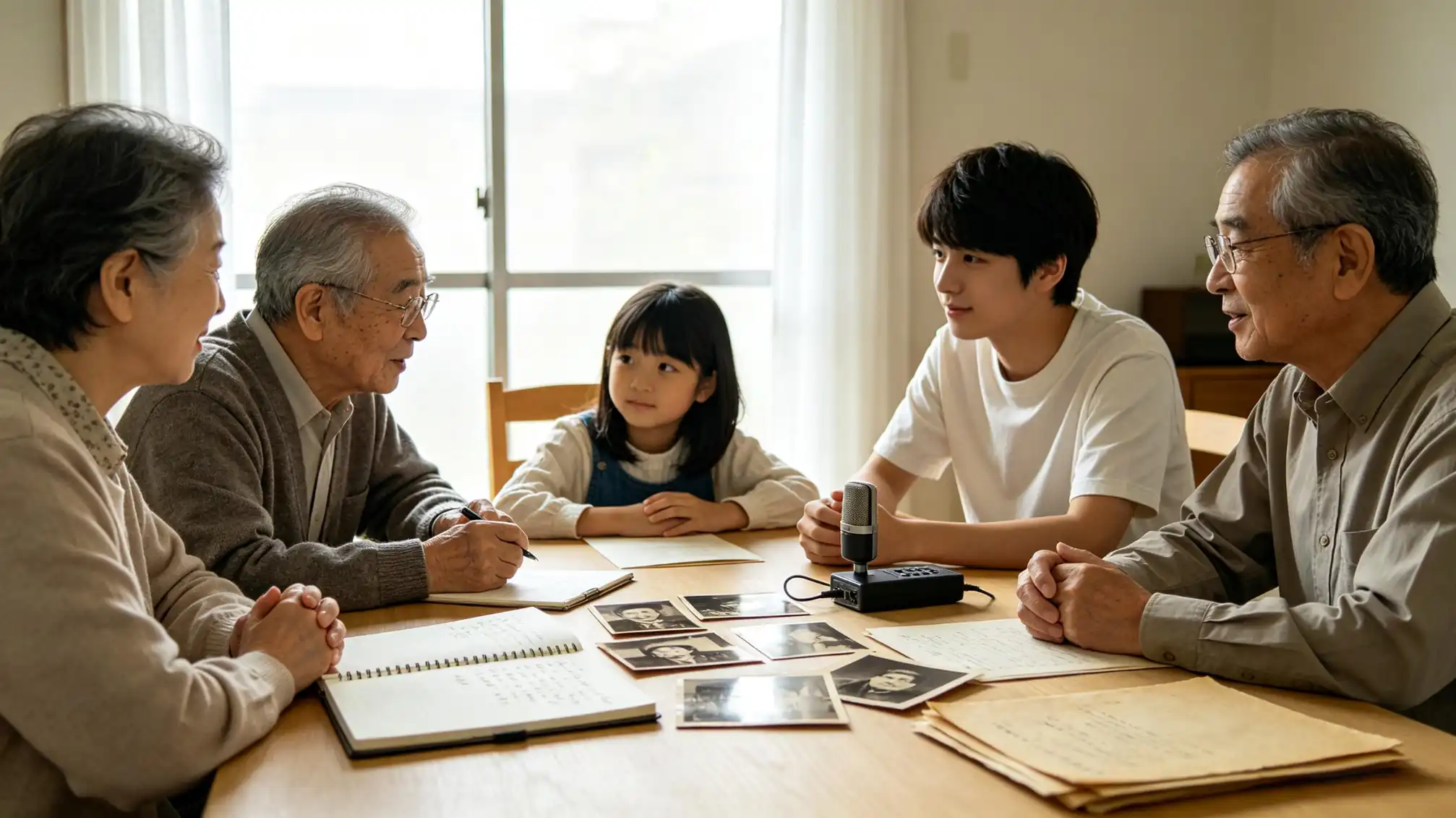
The truth is, your grandparents have a lifetime of stories tucked into their memories, and they’re often waiting for the right invitation to open up. The secret isn’t to ask more questions, but to ask better ones. When you craft the right prompts, you’ll uncover not just facts and dates, but the emotional texture that makes your family history truly unforgettable.
Why the Right Question Changes Everything
Most family history questions we’ve been taught are too broad or too factual. “When were you born?” and “Where did you grow up?” can be answered in a single breath. Instead, think about how you can help your grandparents relive a moment rather than simply recall it. The goal is to move from data collection to storytelling. When you ask “What was the first thing you remember seeing out your childhood bedroom window?” you open a doorway to sensory details, feelings, and a world that no textbook can capture.
Another reason to reshape your approach is that grandparents often feel their lives were “ordinary.” They don’t realize that the everyday routines, the family jokes, and even the hardships are the very threads that make your family story beautiful. By asking questions that reflect genuine curiosity, you validate their experiences and show them that their life matters to you and to future generations.
A Fresh Set of Grandparents Family History Questions
Let’s move beyond the usual checklist. These are more specific, emotionally rich questions that tend to draw out longer, more vivid answers. You don’t need to ask them all—pick the ones that feel natural and adapt them to your grandparent’s personality.
Childhood and Growing Up
- When you were little, what did you think your life would look like when you grew up?
- What’s the earliest smell, sound, or color you can remember from the house you grew up in?
- Who was your favorite relative when you were a child, and what made them special?
- What did your parents always say about your future?
Love, Friendship, and Life’s Big Moments
- How did you meet your best friend from your early twenties? Where would you go together?
- What was the first date with your spouse like looking back from today?
- What was a moment when you felt truly proud of someone in your family?
- Did you ever have a dream that seemed impossible? What happened?
Hardships and Resilience
- Tell me about a time when things went wrong, but somehow you got through it.
- What do you remember about the most difficult year of your life? What helped you keep going?
- What’s something you learned about yourself during a hard time that you still carry with you?
Traditions and Everyday Life
- What smells you of holiday mornings as a child?
- What was a typical everyday meal like in your family? Who cooked and who cleaned up?
- Is there a family phrase or saying that gets passed down? What does it mean to you?
- What tradition did you think was totally normal when you were young, but later realized was unique to your family?
Reflections and Legacy
- What do you hope your great-grandchildren will know about you?
- If you could sit down with one person from your family history that you never met, who would it be and what would you ask?
- What piece of advice would you give to the younger version of yourself?
These aren’t just family history questions; they are invitations to reflect, laugh, and sometimes cry together. You’ll likely find that once your grandparent starts on one story, another one follows—and before you know it, the afternoon has slipped away.
How to Record These Precious Family Stories
It’s easy to think you’ll remember everything, but those small details fade fast. That’s why it’s crucial to record your conversations in some way. With your grandparent’s permission, set up your phone’s voice recorder or a simple camera on a tripod. You don’t need fancy equipment. The key is to be present and let them speak without interruption.
Start with the questions you feel most comfortable with, but let the conversation wander. Sometimes the best stories come from a tangent. One valuable practice is to save every recording in a shared folder and label it clearly. Later, you can turn these recordings into text, photo albums, or even a small keepsake book. The simple act of preserving these moments is a gift to your whole family.
Once you have gathered a few stories, consider sharing them with the rest of your relatives. You might be surprised how much joy a single recording can bring at a family gathering. If you’re looking for a place to keep these memories alive and accessible, you can post stories on our family stories page—a wonderful way to invite other relatives to add their own voices and keep the conversation going.
Making It a Gentle, Enjoyable Process
Some grandparents may feel shy or say they don’t remember much. That’s okay. Give them time and reassure them that whatever they share is precious. Sometimes, asking about a physical photograph or a familiar object in the room can spark a memory. For example, “That clock on the mantle—was it always there?” could lead to a story about a wedding gift or a grandparent’s watch found in an old drawer.
Remember, you’re not conducting an interview; you’re having a conversation with someone you love. Let them lead. Nod, smile, and show genuine interest. If they pause, don’t rush to fill the silence. Some of the most meaningful memories surface when a person takes a moment to gather their thoughts.
If you’re interested in turning your interviews into a more structured family archive, there are plenty of resources online. But you don’t need a perfect framework to begin. All you need is a quiet afternoon, a few thoughtful prompts, and an open heart.