My Family History: From Scattered Stories to a Keepsake Family Tree
There is something magical about hearing an old family story for the first time. Maybe it was a grandmother's voice describing her childhood home, or a curled photograph of an ancestor you never met. Those moments become even more precious when you realize they are pieces of your family history. But often those pieces are scattered—some in memory, some in shoeboxes, some in phone calls you keep meaning to make. Turning my family history into a family tree isn't just about drawing boxes and connecting lines. It's about weaving all those scattered stories into a shape you can share, hold, and pass on.
Begin with What You Already Know
The easiest way to start exploring my family history is to become a collector of your own memories. Sit down with a notebook or a digital document and answer simple questions. What do you remember about your parents' childhoods? Where did you grow up? Who were the relatives who attended holiday dinners? These answers are the first seeds of your family tree.
Don't worry about being perfect. A family tree is a story, not a spreadsheet. Write down the names you remember, even if the dates are fuzzy. Include birthplaces, cities, nicknames, and funny habits. The texture of these details is what turns a list of names into a living family history.
Gather the Stories Behind the Dates
Once you've written down what you know, it's time to reach out to the other storytellers in your family. Grandparents, aunts, uncles, and cousins all hold different fragments of my family history. Ask them open questions that invite storytelling: "What was your favorite room in your childhood home?" or "How did Mom and Dad meet?"
Record the conversation with their permission—your phone's voice memo app works beautifully. You don't need a fancy setup. The important thing is to capture their tone, laughter, and the little pauses that make family stories feel real. Transcribe them later, or simply take notes while you listen.
Organize Your Family History into Branches
After a few conversations, you will likely have a pile of notes, names, and memories. Now comes the satisfying part: structuring them into a family tree. You don't need to start with a grand-grandmother from 1800. Start with yourself, then your parents, then their parents. Add siblings, cousins, aunts, and uncles around the edges.
As you build, you may notice how your immediate family connects to a larger community of relationships. If you need a little inspiration for reflecting on those everyday bonds, take a look at the family section at FamilyLove—it offers gentle reminders of how the people we see every day are also part of our history.
Capture In-Laws, Weddings, and Chosen Family
A family tree becomes richer when you include the people who entered through marriage and love. Add spouses, in-laws, and the parents of your parents-in-law. These connections show how families grow through blending, weddings, and becoming neighbors on a street.
Don't forget chosen family—the dear friend who always came to Thanksgiving, or the neighbor who became like an aunt. Traditional family trees sometimes leave them out, but my family history wouldn't be complete without them. You can mark them on your tree with a note or a different symbol. Honor what made your family feel like family.
Verify Details Without Losing Personality
Dates and places can be tricky. Cousins remember birth years differently; grandpa may insist the farm was in the next county when it definitely wasn't. As you compile your family history, try to verify important facts using old letters, government records, or family Bibles. But don't let uncertainty stop you. Write down the memory exactly as told, and add a small note like "according to Aunt Rita's recollection" or "family story says."
The goal isn't a perfectly certified genealogy report. The goal is a warm, honest reflection of your family's story, with all its gentle contradictions and charming myths. Those little quirks are what make family stories feel human.
Make It Visual and Shareable
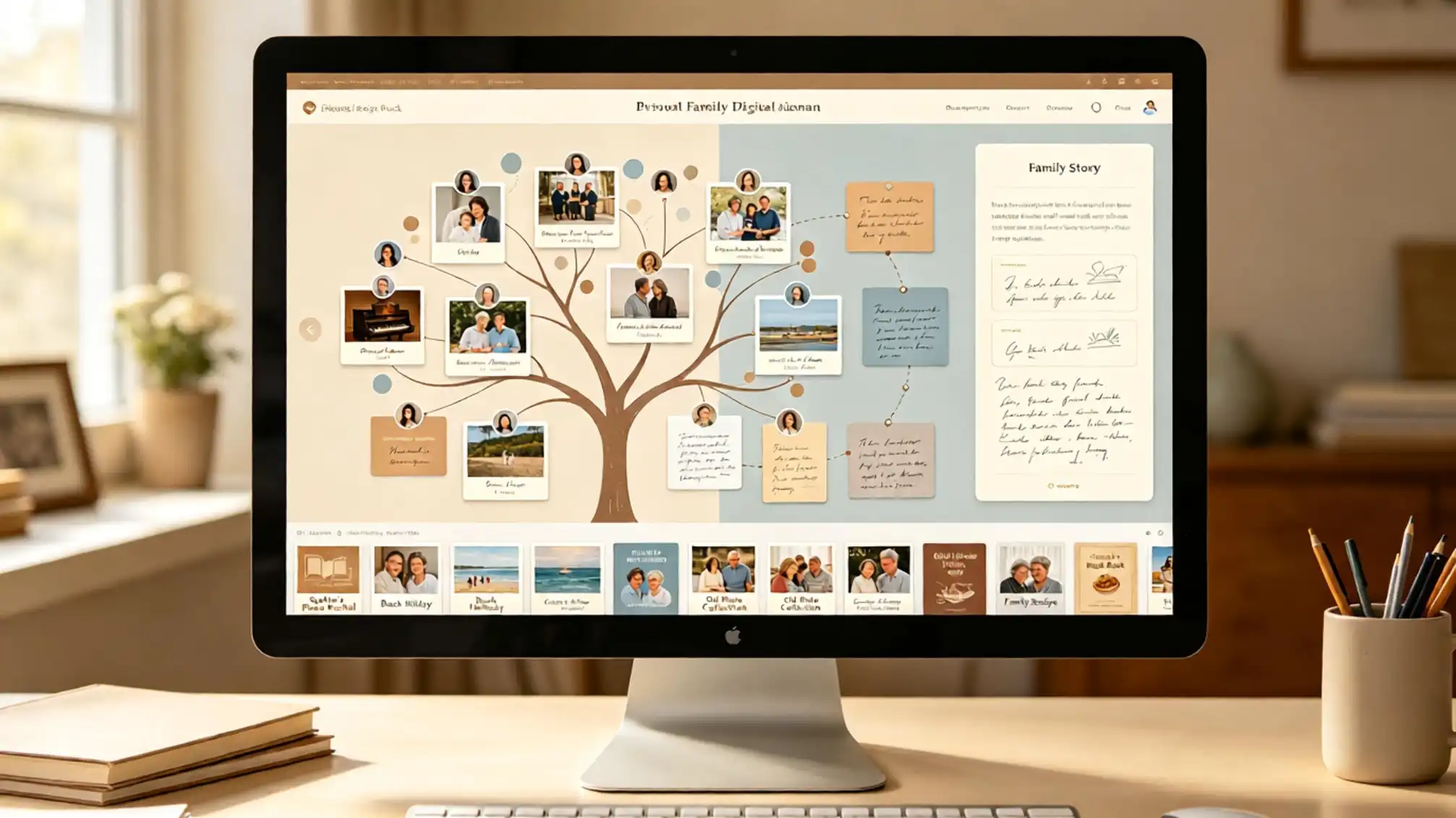
Now that your tree is taking shape, give it a beautiful form. You can use a large poster board, a hand-drawn sketch, or a digital family tree tool. Add small portraits, copies of handwritten notes, or pressed flowers in place of photos. The visual arrangement is another way to share your family history with people who never met the older generations.
If you're meeting with relatives soon, print a few copies or create a slideshow. Let the youngest family members point at faces and ask questions. Their curiosity is the beginning of a new layer of family history—and one day, they will carry the stories forward.