How to Trace Your Ancestors Step by Step: A Modern Researcher's Roadmap
Researching your family history is not about digging through dusty boxes — though that helps. It is about building a reliable, documented picture of the people who shaped your life before you were born. Whether you have a single surname in mind or are just starting with a blank family tree, the process follows a logical sequence. This guide gives you a clear, step-by-step method to trace your ancestors without missing the details that matter.
Start With What You Already Know
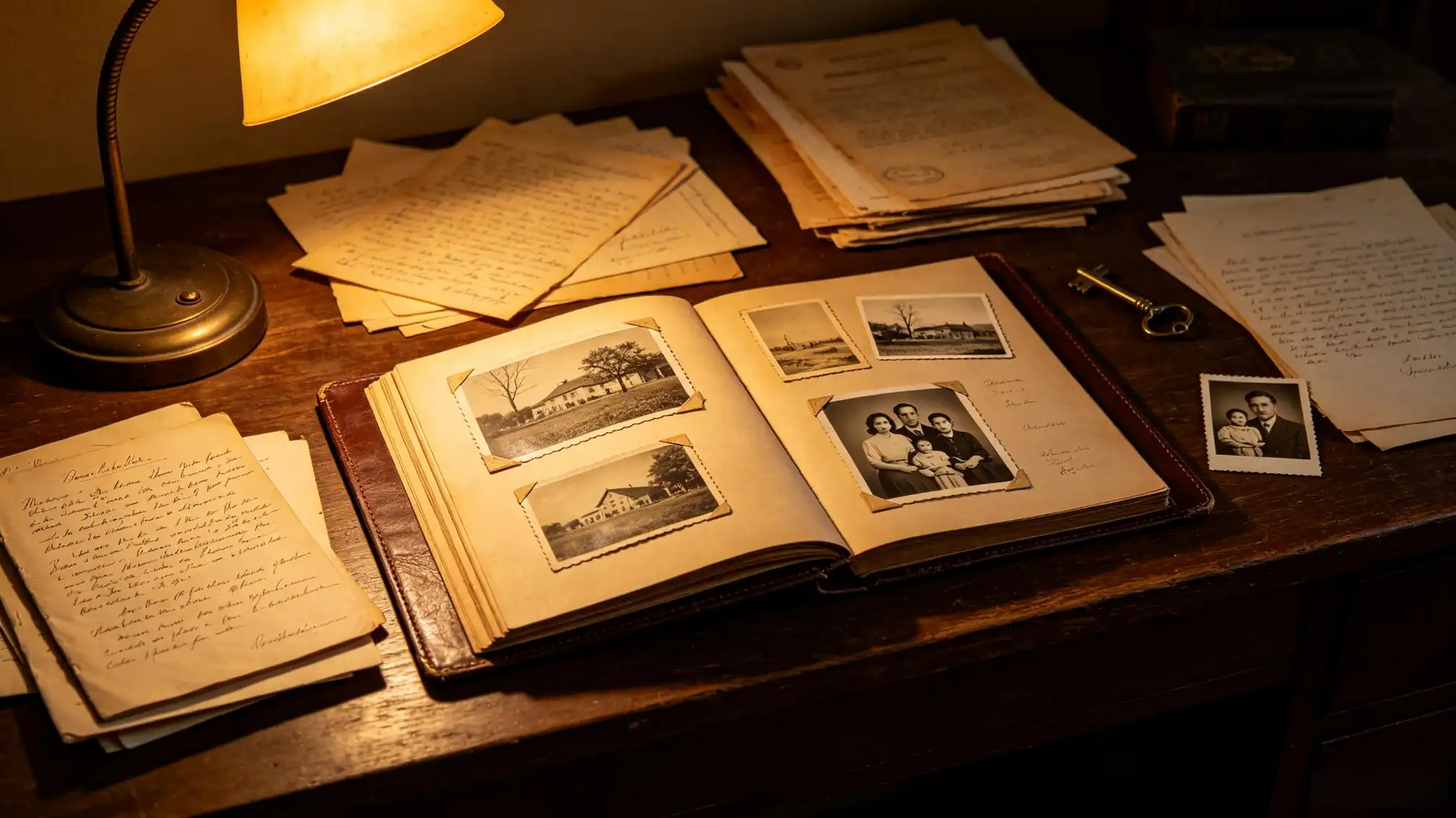
The most underrated resource in genealogy is your own home. Begin by listing every fact you already know about your parents, grandparents, great-grandparents, and other relatives. Full names, birth dates, marriage dates, places, and occupations — write them all down. Then look for physical evidence in your home: birth certificates, marriage licenses, funeral cards, military papers, naturalization documents, passports, and family Bibles. These items often contain details that no online database has indexed yet.
Do not skip this step. Many researchers rush to paid genealogy websites and immediately get lost in common-name records. Starting with your personal archives gives you a solid foundation and a set of known dates and places to guide your later searches.
Organize Your Family Tree as You Go
As soon as you begin collecting names, build a simple family tree chart. A fan chart or a side-by-side ped figure works well. If you prefer digital tools, use a dedicated genealogy software or a family tree website. The goal is not just to store names, but to create a structure where each fact has a source. Create one record per person, and attach every document or memory to that person.
Consistency matters. Use one format for dates (e.g., 12 October 1923) and avoid mixing maiden names, nicknames, and legal names in the same field. A clear organizational system saves you from re-researching the same person twice and makes it much easier to spot gaps.
Interview the Living Relatives Around You
Your oldest relatives are a living bridge to your ancestors. Ask them about their parents and grandparents: names they remember, places where the family lived, religious traditions, migration stories, and even rivalries or secrets. Record the conversation with permission, using a smartphone or a voice recorder. Take notes on any family photos they identify — who is in the picture, when it was taken, and where.
Do not limit yourself to your direct line. Aunts, uncles, cousins, and family friends often hold pieces of the puzzle. Prepare a short list of open-ended questions ahead of time and let them talk. The stories they share are not just anecdotes; they are clues to old counties, towns, and records you would never find otherwise.
Search Online Records With Precision
Once you have a few confirmed names and dates, move to online genealogical databases. Census records, vital records, immigration lists, and military files are widely indexed. Start broad with a name and a location, then narrow with dates and family members. Keep in mind that names may be misspelled, so search with wildcards or try phonetic alternatives. Do not rely on a single transcription; view the original image whenever possible.
Many libraries offer free access to subscription genealogy websites from your local branch. You can also explore state and national archive portals. A simple search for “free genealogy records in [your state]” can yield surprisingly useful databases. Always note where you saw each record, including the database name, series, roll, and image number.
Go Deeper With Archives and Libraries
Online sources only scratch the surface. For ancestors who lived before the internet era, you often need original records at county courthouses, state archives, historical societies, or religious institutions. Land deeds, probate files, tax lists, and church registers can fill in gaps and connect generations. If you cannot visit in person, ask about remote research orders or email reference librarians — many are passionate about helping family historians.
This is also the stage where DNA testing becomes useful. An autosomal DNA test can confirm relationships and connect you with genetic cousins who may hold their own family records. Combine DNA evidence with paper documentation; genetic matches suggest a connection, but only documents prove it.
Verify Everything Before Adding It
Genealogy is a discipline of proof. Just because a family tree on someone’s blog says your third great-grandfather was a Revolutionary War hero does not make it true. Trace each piece of information back to a primary source — a record created at the time of the event. Birth and death certificates are primary for dates and places. Census records are primary for residence and age, but their accuracy varies. Write a simple source note for every fact, even if it is just “Sullivan County Marriage Book 3, p. 45, 1882.”
When records contradict each other, do not ignore them. Compare the evidence, note the discrepancy, and decide which source is more reliable. A clean family tree is built on careful analysis, not on copying what others have posted.
Share Your Family History and Stay Connected
Once your research takes shape, share it with family members. Older relatives deserve to see the names they gave you now connected to dates and places. Younger relatives may become interested in genealogy when they see it as a story, not just a list. You can create a simple book, a photo album, or an online repository of scanned documents and written narratives.
If you are looking for inspiration on how to present your family stories, visit FamilyLove.love/stories and see how others have shared their family history in memorable ways.