How to Start Exploring Your Genealogy: A Beginner’s Roadmap
If you have ever peeked at an old photograph and wondered about the person staring back, you already know the invisible pull of family history. Genealogy is the practice of tracing your family tree through time, but it is not just a collection of names and dates. It is a way to understand who you are by learning who came before you. For beginners, the task can feel overwhelming, but the truth is that every confident genealogist once started with a single question: "Who are my ancestors?"
Why Genealogy Never Gets Old
Many people believe that family history research is only for retirement-age hobbyists, but nothing could be further from the truth. Genealogy connects us to our roots in a fast-moving world. It teaches patience, critical thinking, and even geography. As you begin to map your family tree, you will encounter patterns of migration, social change, and personal resilience. The more you learn, the more you see how ordinary lives shape large stories.
Instead of jumping straight into online databases, take a moment to reflect on what you already carry. You likely know more about your family history than you think. Your parents, grandparents, and even older cousins hold pieces of a puzzle that no website can give you. Starting with them is not only practical—it also strengthens your relationships.
Start at Home: The First Layer of Your Family Tree
Open a notebook or a digital document and create a simple chart. Write your full name, then your parents’ names, then your grandparents’ names. Do not worry about perfection yet. This rough sketch is the foundation of your genealogy journey. Next, search your home for evidence: birth certificates, marriage notices, passport stamps, handwritten letters, or the back of a family photograph. These small treasures often include exact dates and places that you can use later.
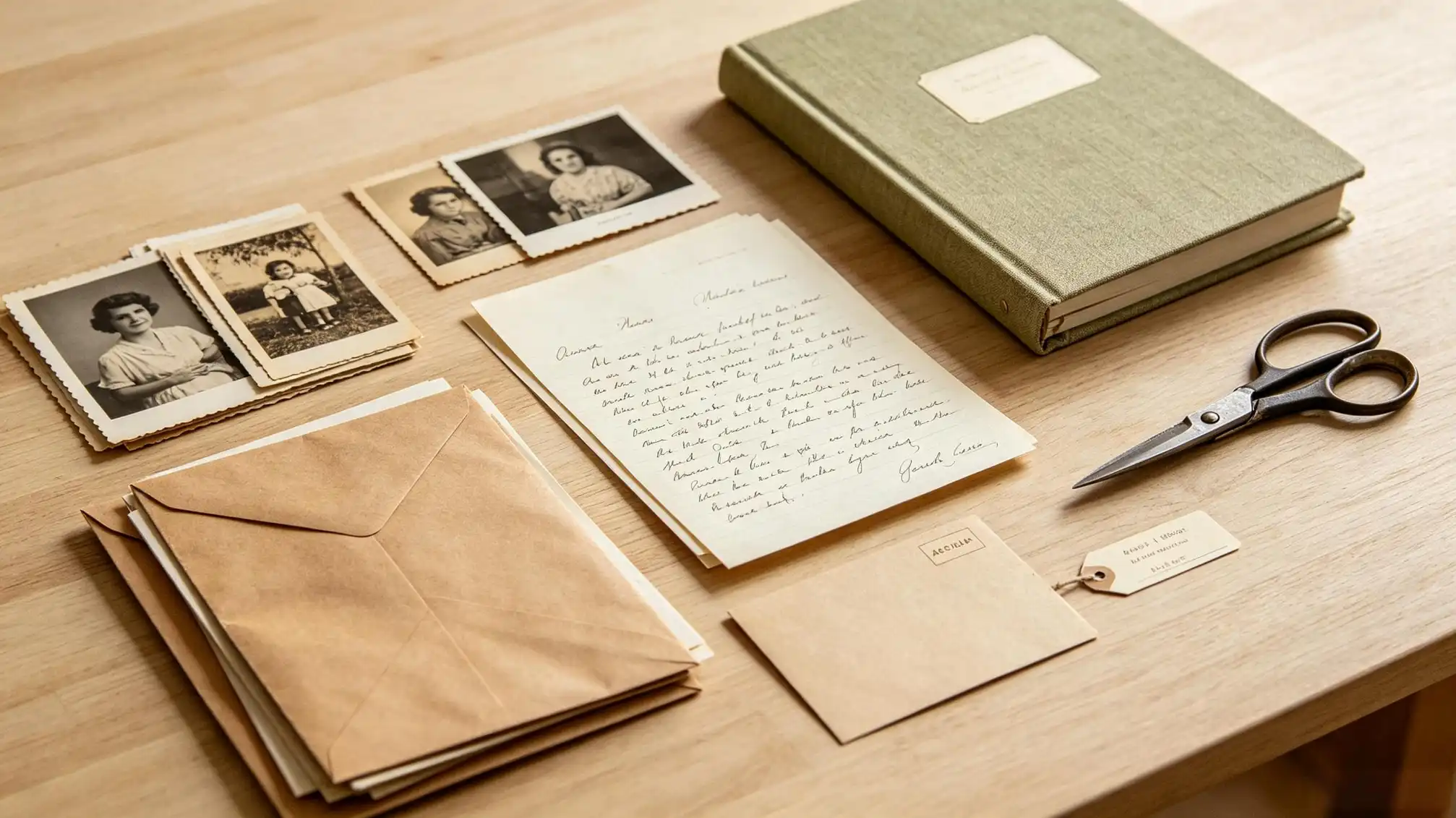
While you are looking through boxes and drawers, create a simple map of what you see. Assign each document to a particular person on your draft tree. If you find a wedding invitation from 1943, place it with your grandparents and note the location. This habit will save you hours of confusion later.
Interviewing Family Members: The Fastest Way to Preserve History
Your relatives carry memories that are not written in any record. Ask them about their parents and grandparents, but also ask about daily life. What did they eat on holidays? Which room in their childhood home did they love? How did they meet your other family members? Use a phone to record the conversation if they agree, or simply take notes. You do not need an expensive camera; the value is in the voices and details.
For each interview, prepare a few simple questions. Avoid asking "Do you know any family history?" because that answer is usually "No." Instead ask open-ended questions: "Tell me about the house where you grew up," or "What was your mother proud of?" Those answers will naturally reveal names, places, and relationships that you can add to your genealogy. If a conversation reminds them of a story, let them talk. Some of the best clues come off script.
Organize As You Go: A Simple System for Beginners
One of the biggest mistakes new genealogy researchers make is gathering too much information without recording where it came from. A year later, they cannot remember whether a date came from a census record or a cousin’s memory. Create a simple filing system early: one folder per family surname or per branch of your family tree. Note the source of every fact, even if it is just a sticky note. Good documentation is the difference between a rumor and a reliable ancestor story.
If you prefer digital tools, there are many free and paid genealogy programs that allow you to build your tree visually. Some of the most popular options let you attach scanned documents and photos directly to a person in your tree. These tools are excellent for beginners because they transform messy information into a clear, clickable family map.
Finding Your Ancestors in Public Records
Once your home sources are organized, you can begin searching for your ancestors in official records. Census records are often the best starting point because they list entire households together. Civil registration records, church registers, and immigration manifests can reveal relationships, birthplaces, and the routes your family took. You do not need to become a professional archivist—just learn to search with patience. Try different spellings of surnames and pay attention to the way the records were indexed. A 1900 census entry may be filed under "Smit" when the actual name was "Smith."
As you uncover each new name, ask yourself a simple question: how does this person connect to the larger story? A date alone is not a story. The value of genealogy appears when you combine facts with just enough imagination to make your ancestors feel like real people again.
A Fresh Angle: Ask What Made Them Move
One of the most powerful pieces of genealogy is understanding movement. People do not leave their homes without a reason. They left because of war, hunger, religion, or hope. Trace the places your family lived and ask what pushed or pulled them. Maybe an ancestor took a steamship to a new country. Maybe a great-grandmother moved from one town to the next for work. Those choices left a mark on you, and you can bring them back to life by studying the context around them.
If you have started collecting stories from relatives, you may want to see how other families preserve their own histories. The family stories section at familylove.love/stories can give you inspiration for turning your research into something your loved ones will actually read and remember.
What the Internet Can and Cannot Do for You
Online genealogy databases are wonderful time-savers. Millions of records have been digitized and searchable by name and location. However, keep in mind that these records are only as reliable as the people who created them. Census takers misspelled names. Clerks wrote down incorrect ages. Family members lied about their past. Cross-check what you find online with offline sources and, whenever possible, speak to relatives who can verify the story. The internet is a shortcut, not a magical answer.
You should also be mindful of the stories other users have attached to names. Many genealogy sites let visitors submit family trees, but those trees are not always sourced. An unsourced tree can look confident and still contain errors. Treat every submission as a clue, not a conclusion. When you find an ancestor in another tree, track down the original document before you accept it.
Patience Beats Passion in Genealogy
New researchers often expect rapid discoveries. They are thrilled after the first few days and then discouraged when a brick wall appears. That is normal. A brick wall simply means you have not yet asked the right question. Slowing down often solves it. Take a step back, reread the documents you have, and look for a clue you missed. Ask if you have the right spelling, the right county, or the right relative. When you feel stuck, remember that genealogy is a marathon, not a sprint. The reward is not speed—it is connection.
Your family tree will change many times. Names you thought were certain may be wrong. Lines that seem dead end unexpectedly. That is okay. Each correction teaches you to think like a detective and brings you closer to the people whose DNA still lives in you. Keep an open mind, and let your family history be a living project that grows with you.