Starting a family tree can feel like stepping into a vast forest of names, dates, and distant relatives. The good news is that you do not need to be a genealogist to create something meaningful. Your first family tree can be simple, personal, and deeply rewarding. With a few practical steps, you can collect the stories that matter and build a lasting record for future generations.
Why Your Family Tree Matters
A family tree is more than a list of ancestors. It is a visual map of relationships, memories, and patterns that shape who you are. When you begin mapping your relatives, you learn not only about where you came from but also about the experiences, migrations, and choices that brought your family to the present. This understanding can strengthen your sense of identity and create a bridge between generations.
Start With What You Already Know
The easiest way to begin is to work from your own memory. Write down your full name, date of birth, and place of birth. Then add your parents, grandparents, and any other relatives you know about. For each person, note the dates and places you remember, even if they are approximate. These small fragments will become the seeds of your family tree.
Use Home Records and Keepsakes
Look around your home for old documents, photo albums, scrapbooks, or family Bibles. Birth certificates, marriage licenses, obituaries, and even handwritten letters can provide valuable clues. Do not worry if some details are incomplete. The goal is to create a starting point, not a perfect record. Every piece of evidence will help you later.
Choose a Simple Organizing Method
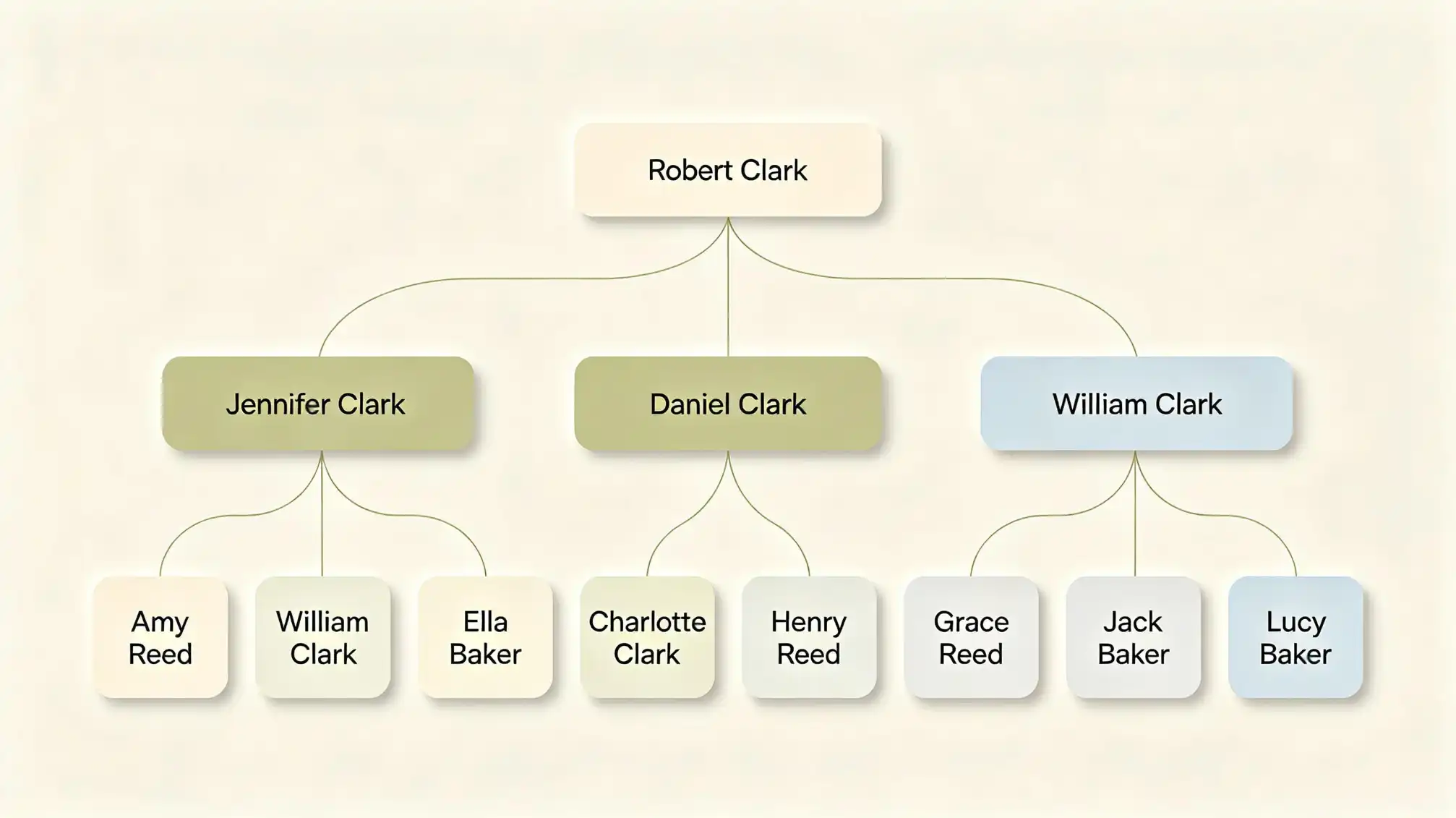
Before you collect hundreds of names, think about how you will organize them. Many beginners start with a blank sheet of paper or a simple chart. You can draw boxes for each person and lines connecting parents to children. If you prefer digital tools, there are free family tree templates, spreadsheets, and specialized websites that make it easy to add names and relationships.
Talk to Your Relatives
Your family members are living archives. A conversation with a grandparent, aunt, uncle, or older cousin can uncover stories that no document will ever tell. Ask about childhood homes, family jokes, traditions, and the people they loved. Record the conversation if they are comfortable, or take notes as you listen. These interviews not only add names and dates but also bring personality and warmth to your tree.
As you speak with relatives, you may also discover connections that go beyond names. Exploring how your family relates to one another can be a beautiful way to appreciate your shared journey. For more ideas on nurturing those connections, you can visit the family section of our site for practical insights.
Expand With Photos and Stories
A family tree becomes vivid when you add photographs and short stories. Label old pictures with names, dates, and locations if you can. Write down a memory or two for each person, even if it is just a defining trait or a favorite saying. These personal touches will make your tree feel alive, not like a dry archive.
Don't Forget the Details
Pay attention to the small things. Was your grandmother known for her apple pie? Did your grandfather fight in a particular war? Did your great-aunt immigrate from another country? These details are the texture of family history. They make your research unique and meaningful.
Verify With Public Records
Once you have built a basic framework, it is time to check your facts. Public records such as census reports, birth and death certificates, marriage licenses, and immigration papers can confirm names and dates. Many of these are available online through national archives, library databases, and genealogy websites. Always note where you found each piece of information, because source citations will help you avoid confusion later.
Watch for Name Variations
Spelling of surnames often changed over time, especially for immigrant families. A person may appear as “Tompson” in one record and “Thompson” in another. Stay flexible and search using initials, alternative spellings, and even the names of nearby relatives. This patience will save you from missing important links.
Keep Your Family Tree Balanced
It is easy to become obsessed with one branch of the family and ignore the others. Try to move backwards gradually, ensuring that both your mother's and father's lines receive attention. You do not need to trace every family to the 1800s in your first attempt. A balanced tree that goes back a few generations on all sides is more complete than a one-sided line that goes back centuries.
Embrace the Process, Not Just the Destination
Building your first family tree takes time, and you will likely make mistakes. That is okay. The process itself is a way of honoring the people who came before you. Each name you add is a small act of remembrance. As you go deeper, you may feel a surprising closeness to relatives you never met, simply because you took the time to learn their names.
Share Your Family Tree
Once you have a few generations mapped, share it with your relatives. They may have corrections, additions, or stories you have never heard. Sharing your family tree strengthens bonds and invites others to contribute their memories. It can also inspire younger family members to appreciate their heritage and carry the family story forward.