What Is a Family Tree? A Beginner’s Guide to Understanding Your Family History
When people hear the phrase “family tree,” they often picture a decorative chart hanging in a hallway, filled with names and dates. But a family tree is more than that. It is a visual map of your family history—a way of showing how you are connected to the people who came before you, and how those connections shape the family you have today.
For beginners exploring family history, the family tree is the single most useful tool you can create. It helps you organize names, relationships, dates, and stories into a structure that makes sense. It also gives you a starting point for deeper genealogy research, allowing you to move from the known to the unknown, one generation at a time.
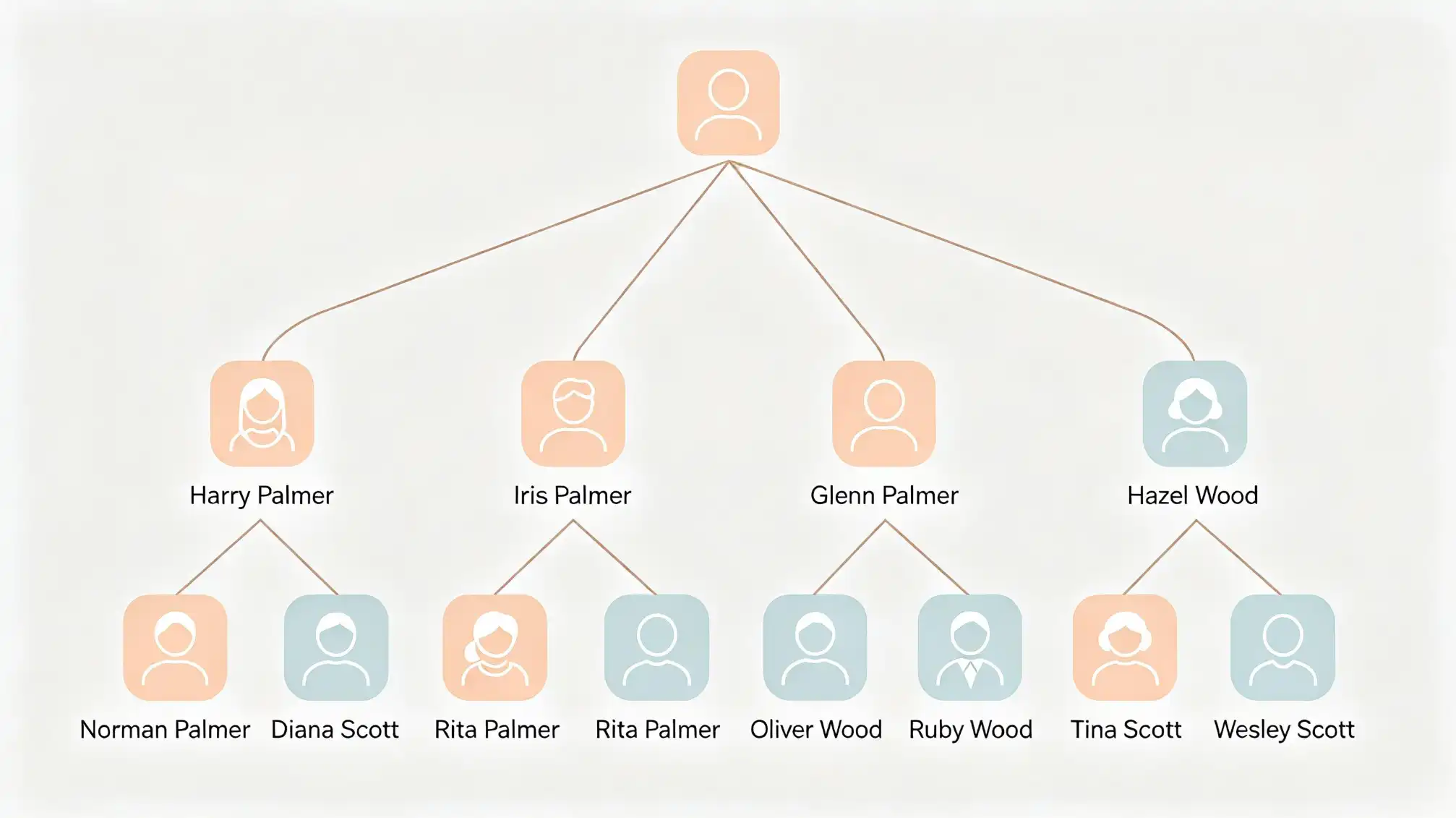
A Fresh Way to See Your Family Tree
Instead of thinking of a family tree as just a list of ancestors, imagine it as a living document. Every branch represents a relationship. Every line tells a story of birth, marriage, migration, survival, and love. Your tree is not a static artifact; it is a framework that grows as you learn more about your relatives and your shared history.
For a beginner, the goal is not to fill in every leaf immediately. It is to build a reliable foundation that you can expand over time. Start with what you know, add what you can verify, and let each new piece of evidence open the next doorway to the past.
Why a Family Tree Matters for Family History
If you are new to genealogy, you might wonder why a simple diagram matters so much. In practice, a family tree gives you several important benefits:
- Clarity: It turns scattered names and dates into a clear, organized picture of your ancestors.
- Direction: It shows you which branches of your family need more research, and which ones are already well documented.
- Context: It helps you understand how historical events—migration, war, economic shifts—affected your relatives.
- Connection: It strengthens your sense of identity, showing you where your family stories began.
- Preservation: It creates a record that you can pass down to the next generation, ensuring your family history survives.
These benefits make the family tree one of the most valuable entry points into family history. Even a simple tree, with just a few generations, can reveal surprising patterns and inspire a deeper interest in genealogy.
The Essential Parts of a Family Tree
Every family tree, no matter how simple or complex, relies on a few basic parts. Understanding these parts will help you read and build your own tree with confidence.
Individuals are the people in your tree. Each person is usually represented by a card or a node with their name, birth date, and other key details. Relationships link people together—parent-child connections, marriages, siblings, and other family bonds. Generations are the levels of your tree, moving from you upward to parents, grandparents, and great-grandparents. Sources are the records and documents that support each fact you add.
For beginners, it is helpful to start with a simple tree that lists your immediate family, then gradually add your grandparents and great-grandparents. This gives you a manageable project that still feels like a real accomplishment.
How to Start Your Own Family Tree
Starting your family tree does not require special software or advanced research skills. It requires curiosity, patience, and a willingness to ask questions. Here is a practical way to begin.
First, gather what you already know. Write down the names of your parents, siblings, grandparents, and as many other relatives as you can recall. Do not worry about accuracy yet; this first list is just a starting point. Next, talk to your oldest relatives. They are often treasure troves of family history, full of names, places, and stories that are not written anywhere else.
Then begin organizing your information in a simple chart. You can use paper, a spreadsheet, or an online tool—whatever feels most natural. As you add details, always note where the information came from. A memory, a birth certificate, a census record, or a photo are all sources that add credibility to your tree.
If you want a simple, guided environment to collect names and relationships, the family section at FamilyLove offers a welcoming place to begin. It can help you stay organized as your family history research grows.
Common Beginner Questions About Ancestors and Genealogy
As you explore your family history, you will likely encounter a few common questions. What if I find conflicting information? What if a record is missing? What if some relatives do not want to participate?
Conflicting information is normal in genealogy. When you find differences between sources, do not guess. Record both versions and make a note to investigate further. Missing records can often be filled in through other sources—church records, immigration documents, newspaper obituaries, or family Bibles. And if some relatives are hesitant, be patient. Family history works best when it feels like a shared journey, not a demand.
Remember that a family tree is not about perfection. It is about connection. Every research step you take brings you closer to the people who shaped your family, even if you never meet them in person.
Making Your Family Tree More Meaningful
Once your tree begins to take shape, you can enrich it with more than names and dates. Add photographs, if you have them. Record audio memories from older relatives. Note family traditions, recipes, and sayings that have been passed down. Write short stories about the people you discover. These personal details transform your tree from a genealogical chart into a true family treasure.
This is also the moment to think about sharing. A family tree becomes more valuable when others can contribute. You might collaborate with cousins, share copies with relatives, or present a finished chart at a family gathering. The process often brings people closer and encourages younger family members to ask their own questions about family history.